

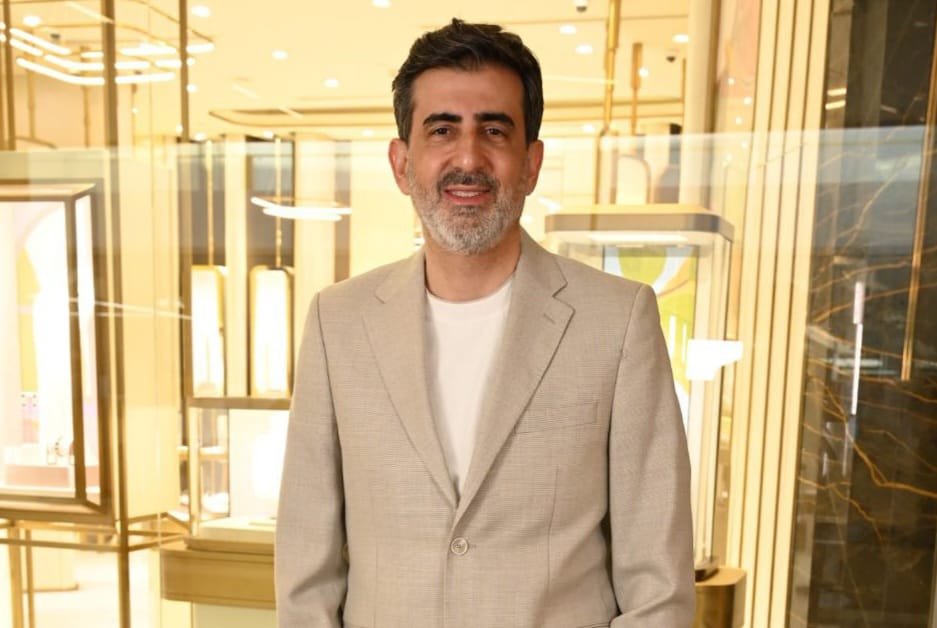
Investment leader Samer Shoukair confirmed that the Saudi economy has successfully moved beyond the traditional “resilience” phase to transform into a unique global model he described as a “Smart Shock Economy,” noting that the Kingdom now possesses a flexible, multi-layered system capable of absorbing global crises and redirecting them as promising investment opportunities.
Flexibility of Export and Logistics Infrastructure
Samer Shoukair explained in his analysis that Saudi Arabia has succeeded in neutralizing the risks of maritime choke points, particularly the Strait of Hormuz, by activating proactive strategies that included the East-West Pipeline (Petroline) to transport oil directly to the Red Sea, developing Yanbu Port, and expanding railway networks.
He added that these steps did not only secure the flow of oil exports but also paved the way for transforming the Kingdom into a global hub for exporting green hydrogen and international commodities.
Transformation of Logistics and Supply Chains
Samer Shoukair pointed out that the Kingdom has moved from the role of a “receiver” of goods to a “regional redistributor,” thanks to the efficiency of King Abdullah Port and the NEOM logistics zone. This transformation has contributed to maintaining the stability of essential commodities and reducing the impact of global inflation compared to major economies, enhancing Saudi Arabia’s position as a global hub that goes beyond being just a transit country.
Public Finance and Economic Diversification
Regarding financial solvency, the investment leader noted that reserves exceeding 400 billion dollars and the pivotal role of the Public Investment Fund have formed a solid bulwark enabling the state to continue spending on major projects and controlling local prices.
Samer Shoukair highlighted a pivotal figure: the contribution of non-oil sectors has exceeded the 50% threshold of the GDP, driven by growth in the tourism, entertainment, technology, and renewable energy sectors.
Foreign Investment Inflows and Local Demand
Samer Shoukair emphasized that the clarity of Vision 2030 and the flexible regulatory environment have led to increased Foreign Direct Investment (FDI) inflows even amidst tensions, as investors have begun to view Saudi Arabia as a “new investment haven.”
He also stressed the strength of the local market and internal demand as a driver for growth, which has become independent of oil price fluctuations thanks to the young demographic structure and rising consumer spending.
Growth Forecasts and Investment Opportunities
Samer Shoukair predicted that the growth of the Saudi economy in 2026 will range between 3.8% and 4.2%, considering that the impact of war and regional disturbances remains limited and containable. Shoukair identified four major investment areas for the coming phase:
Defensive Sectors: Including logistics, energy, and infrastructure.
برامج التخصيص: لا سيما في قطاعات الكهرباء، والمياه، والنقل.
Digital Economy: Focusing on Artificial Intelligence (AI) and Asset Tokenization.
Portfolio Redistribution: He advised major investors to allocate 25-35% of their assets to the Saudi market.
Samer Shoukair concluded his remarks by saying: “Saudi Arabia today does not just resist crises; it re-engineers them in its favor. In a turbulent world, safe investment is no longer the one with the least risk, but the one most capable of adaptation, and herein lies the true story and the latent power of the Saudi economy.”