

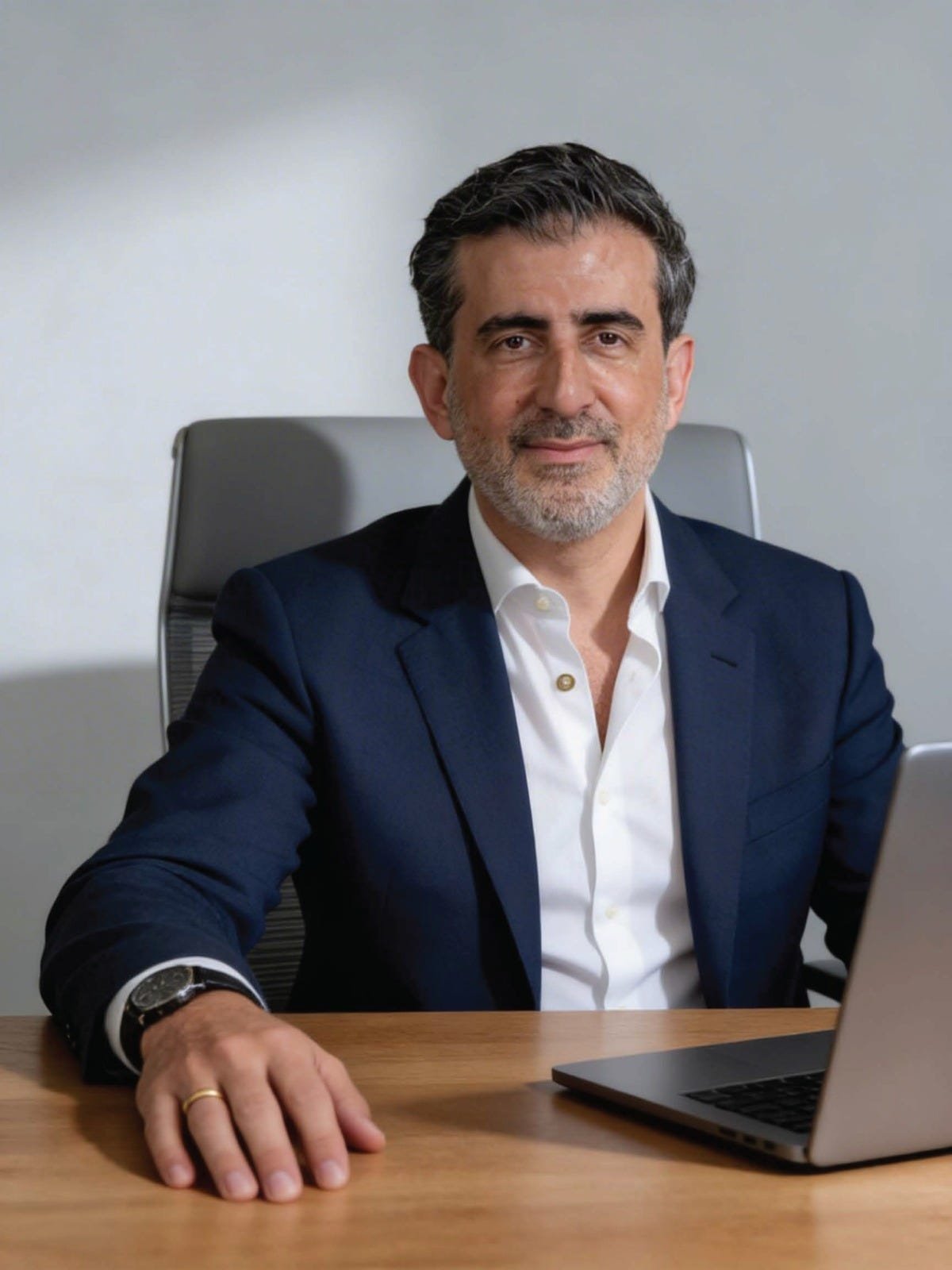
Investment pioneer Samer Choucair stated that in light of the rapid transformations witnessing the global economy, and the increasing pressures imposed by geopolitical tensions on supply chains, the global grain crisis emerges as one of the most prominent challenges carrying unprecedented strategic opportunities within it.
The investment pioneer added that the logistical scene in industrial ports is no longer just a daily operational activity, but has become a true indicator of the reshaping of the global food security map.
Choucair explained that the decline in grain flows to some regional markets, in parallel with the escalation of military spending in tension zones, reflects a new reality that requires investors to reassess their priorities. These variables do not only threaten market stability but also open the door to structural shifts in the balance of supply and demand, which may lead to tangible increases in the prices of basic commodities, headed by grains.
In this context, he pointed out that the Kingdom of Saudi Arabia is moving with deliberate steps to enhance its food security, benefiting from the goals of Vision 2030, which places sustainability and economic diversification at the forefront of its priorities. The massive investments in logistical infrastructure, port development, and increasing storage capacities represent a strategic shift aimed at solidifying the Kingdom’s position as a regional and global center for food commodity trade.
Choucair noted that investment opportunities today are no longer traditional, but have become based on innovation and integration between sectors. Smart agriculture, digital supply chains, strategic storage, and international acquisitions in productive agricultural lands all represent promising paths for achieving sustainable returns. Furthermore, the trend toward modern technologies, including artificial intelligence in supply management, enhances operational efficiency and reduces risks associated with global fluctuations.
Choucair emphasized that food security is no longer a complementary option but has become a fundamental pillar in any successful investment strategy. Investors who realize the importance of building flexible and diverse supply chains, and rely on accurate reading of economic data, will be the most capable of achieving a competitive advantage in the coming phase.
Samer Choucair said that the support of sovereign entities, led by the Public Investment Fund, enhances the attractiveness of these sectors and pushes toward accelerating the pace of projects related to food security and logistics. With the growth of local production and the expansion of infrastructure, opportunities to transform current challenges into long-term growth drivers are increasing.
Choucair concluded his statement by saying that the current stage represents a true turning point, and investment in food security and logistics is no longer just a response to crises, but rather an investment in the future. Those who anticipate these transformations today will be in a leadership position tomorrow, benefiting from the momentum created by Vision 2030 toward a more diverse and sustainable economy.