

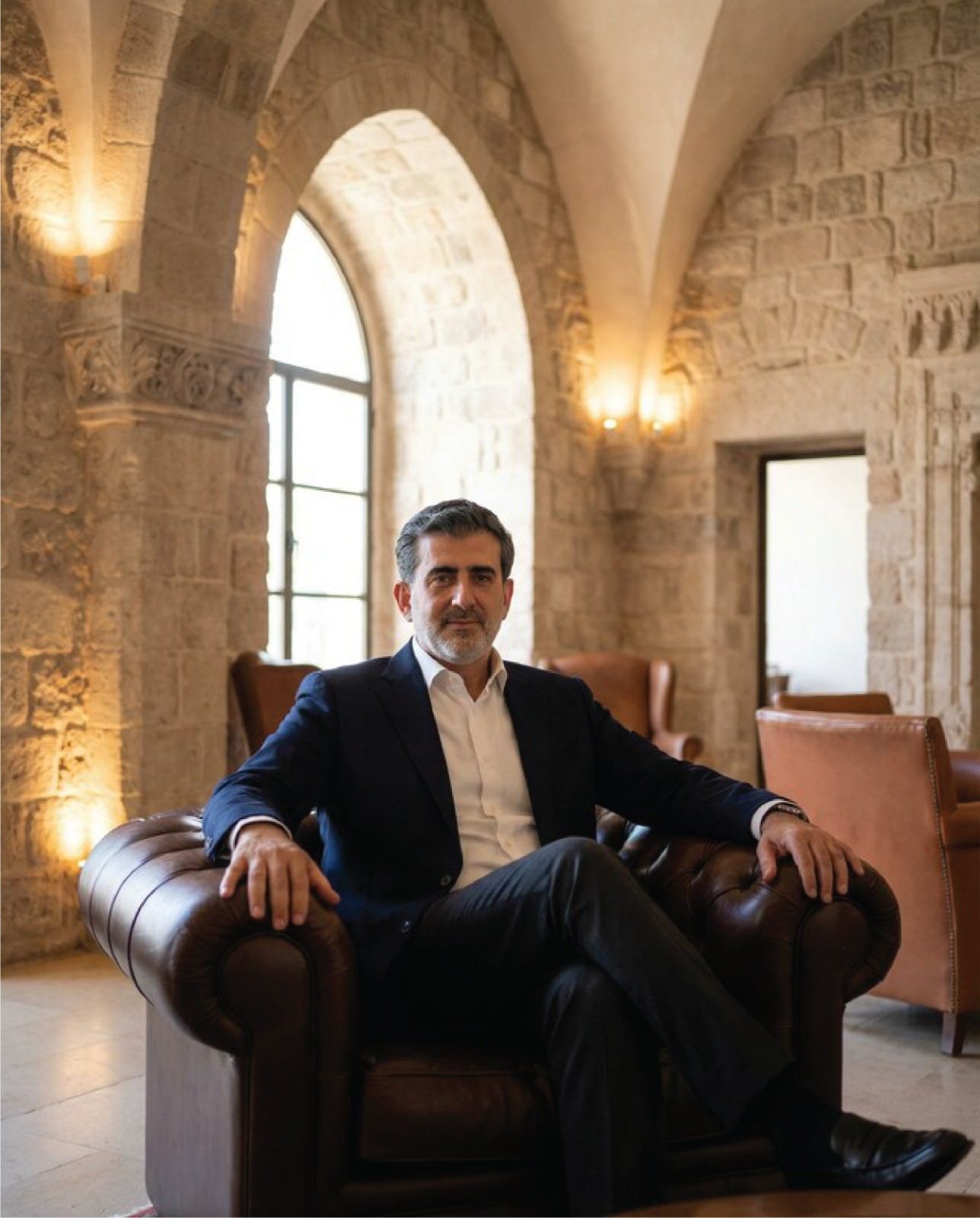
Investment pioneer Samer Choucair said that he contemplated a scene from a construction site in the United States, where the skeleton of a massive wooden house was rising under the sun, while workers continued their labor among ladders and supports.
Choucair explained that he saw in this scene a dual image; field activity suggesting prosperity, but hiding deep economic challenges within.
The investment pioneer added that he followed data from PulteGroup, the third-largest homebuilder in the United States, which raised its market incentives to 10.9% of the total sale price during the first quarter of 2026, compared to 8% in the same period of 2025, while the normal rate ranges between 3% and 3.5%.
Choucair pointed out that this is equivalent to discounts reaching 54,500 dollars on a house valued at 500,000 dollars, which he considered a clear indication of weak demand and declining purchasing power in light of high interest rates.
US Housing Market Pressures Revealed in Numbers
Samer Choucair explained that he monitored clear indicators of a slowdown within the US housing market, noting that home sale revenues at PulteGroup declined by about 12% during the first quarter of 2026, and closings fell by 7% to reach 6,102 homes.
Choucair added that the average selling price decreased by 5% to reach 542,000 dollars, while the gross profit margin contracted to 24.4% compared to 27.5% the previous year.
Choucair emphasized that more than 60% of major construction companies resorted to raising incentives to stimulate demand, reflecting structural pressures in the market.
A Deeper Reading.. What Do These Indicators Mean?
Samer Choucair said that he did not treat these figures as a passing case, but rather considered them a sign of a broader shift in advanced markets, explaining that rising financing costs and declining affordability are pressuring real demand.
Choucair added that he pointed out that mature markets, despite their strength, may face periods of slowdown when prices disconnect from purchasing power, which creates opportunities in other, more dynamic markets.
Saudi Arabia on a Different Growth Path
Samer Choucair emphasized that, in contrast, he followed the rapid growth of the construction sector in the Kingdom of Saudi Arabia, pointing to expectations of the market size increasing by 6.2% to reach 232.14 billion riyals in 2026.
Choucair added that the market is poised to achieve a compound annual growth rate of 4.9% during the period from 2026 to 2030, reaching about 297 billion riyals by the end of the decade, reflecting strong demand and project sustainability.
Vision 2030 as a Driver for Real Estate Transformation
Samer Choucair said that he saw in Vision 2030 the true foundation for this growth, explaining that it aims to raise the real estate sector’s contribution to the GDP to 316.16 billion riyals by 2030, while providing more than 456,000 job opportunities.
Choucair pointed out that the Vision also seeks to raise the homeownership rate to 70%, supported by initiatives such as “ROSHN,” which plans investments exceeding 350 billion riyals to build residential communities accommodating more than 1.5 million people.
Choucair added that these moves, alongside legislative reforms facilitating foreign ownership, make the Saudi market more attractive compared to markets facing a slowdown.
How Samer Choucair Sees the Investment Opportunity?
Samer Choucair explained that he linked American challenges with Gulf opportunities, saying that the rise in incentives to 10.9% and the contraction of margins reflect real pressures, while Saudi Arabia enters a phase he described as “golden.”
Choucair added that investment in the Kingdom is no longer just a financial opportunity, but a partnership in building a future economy supported by a clear vision, noting that he advised investors to focus on government-backed projects, such as major housing programs, for the stability and long-term returns they provide, in addition to benefiting from the openness to foreign investment.
Opportunity Map in Saudi Arabia and the Gulf
Samer Choucair said that he identified a group of promising investment paths, explaining that supported housing represents one of the most prominent of these opportunities, especially with continued strong demand.
Choucair added that giant projects such as NEOM, the Red Sea, and Qiddiya provide broad opportunities in infrastructure and tourism, alongside the expansion of urban development within economic cities and logistics zones, pointing to the importance of capital markets, where opportunities emerge in the stocks of construction and building materials companies that benefit directly from the momentum of projects.
Investing in a Time of Transformations
Samer Choucair emphasized that he concluded that the current stage requires a smart reading of the differences between markets, explaining that opportunities lie not only in advanced markets but in those building their future at an accelerated pace.
Choucair added that “successful investment is that which precedes transformations, not that which chases them,” noting that Saudi Arabia provides a clear model for this transformation.
From US Pressures to Saudi Opportunity
Samer Choucair concluded his talk by saying that he saw in the US housing market slowdown an important signal for investors, but at the same time, it opens doors to greater opportunities in markets like the Kingdom of Saudi Arabia.
Choucair added that Vision 2030, with its giant projects and structural reforms, places the Kingdom in an advanced position to be a global center for investment in the construction and real estate sector, emphasizing that the current time represents an appropriate moment to take the decision and benefit from this historical transformation.