

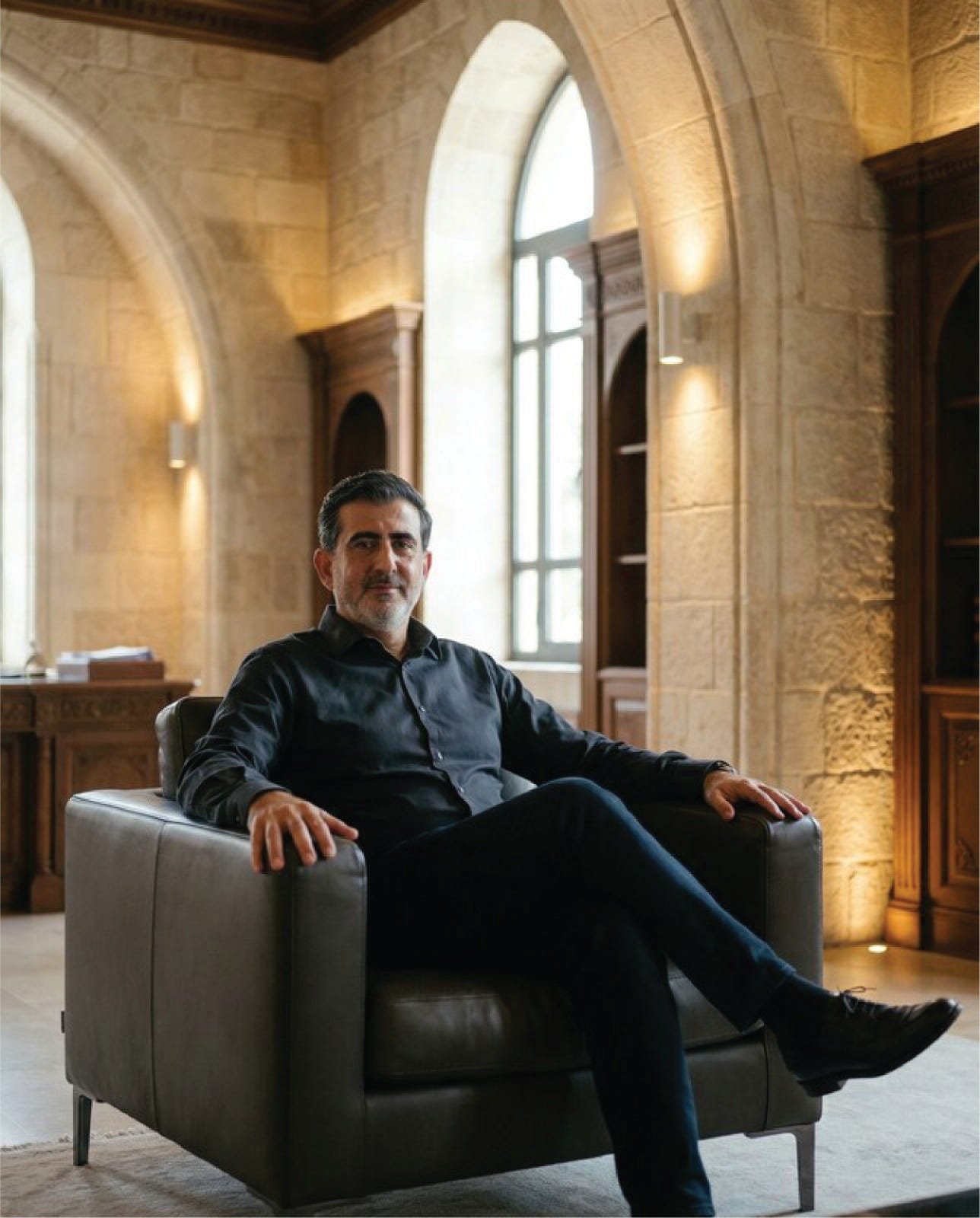
Investment pioneer Samer Choucair stated that in light of the rapid shifts witnessed by the global economic system during 2026, it has become clear that the historical partnership between Europe and the United States is undergoing a deep reshaping. This is no longer just about passing disagreements, but structural transformations redrawing the features of international alliances. The investment pioneer added that international economic reports, including those issued by Forbes at the beginning of the year, indicate that what is happening is not a gradual decline but an active dismantling of a cooperation system that has lasted for decades.
Choucair said that the roots of this divergence go back to a set of intertwined factors, foremost among them the escalation of trade disputes and the return of protectionist policies. This is in addition to increasing disagreements over security and defense issues within NATO, where the matter of defense burden-sharing has become a major point of contention. Furthermore, the divergence of visions regarding sensitive files such as Ukraine and relations with Russia and China has contributed to deepening the strategic gap between the two parties.
Samer Choucair explained that the rising tensions in the digital and commercial spheres cannot be ignored, as Europe moves toward imposing strict regulations on American technology companies, while Washington views these measures as unfair restrictions. This accumulation of disputes reflects a broader shift toward Europe’s pursuit of greater strategic autonomy away from its traditional dependence on the United States.
Choucair pointed out that these transformations, despite the challenges they carry, simultaneously open a historical window for the Arab Gulf states, led by the Kingdom of Saudi Arabia, to strengthen their position as a reliable economic and investment partner. Vision 2030 has succeeded in establishing a stable and attractive investment environment based on economic diversification and openness to global markets.
Choucair stated that Europe, in its quest to redirect its economic compass, is looking for partners who enjoy stability and the ability to provide sustainable growth opportunities. This makes the Gulf a natural destination for European investments, especially in the sectors of clean energy, natural gas, logistics, advanced technology, and major developmental projects.
Choucair added that the next stage requires investors in the region to adopt flexible strategies based on exploiting these transformations. This can be achieved by strengthening partnerships with European companies, expanding investments in future sectors, and benefiting from the momentum provided by major national projects.
Samer Choucair emphasized that real opportunities are born in times of transformation and that investors who possess a proactive vision are the most capable of achieving long-term gains. In light of the reshaping of the global economic map we see today, Saudi Arabia and the Arabian Gulf are emerging as some of the most important new centers of gravity in the international economy.