

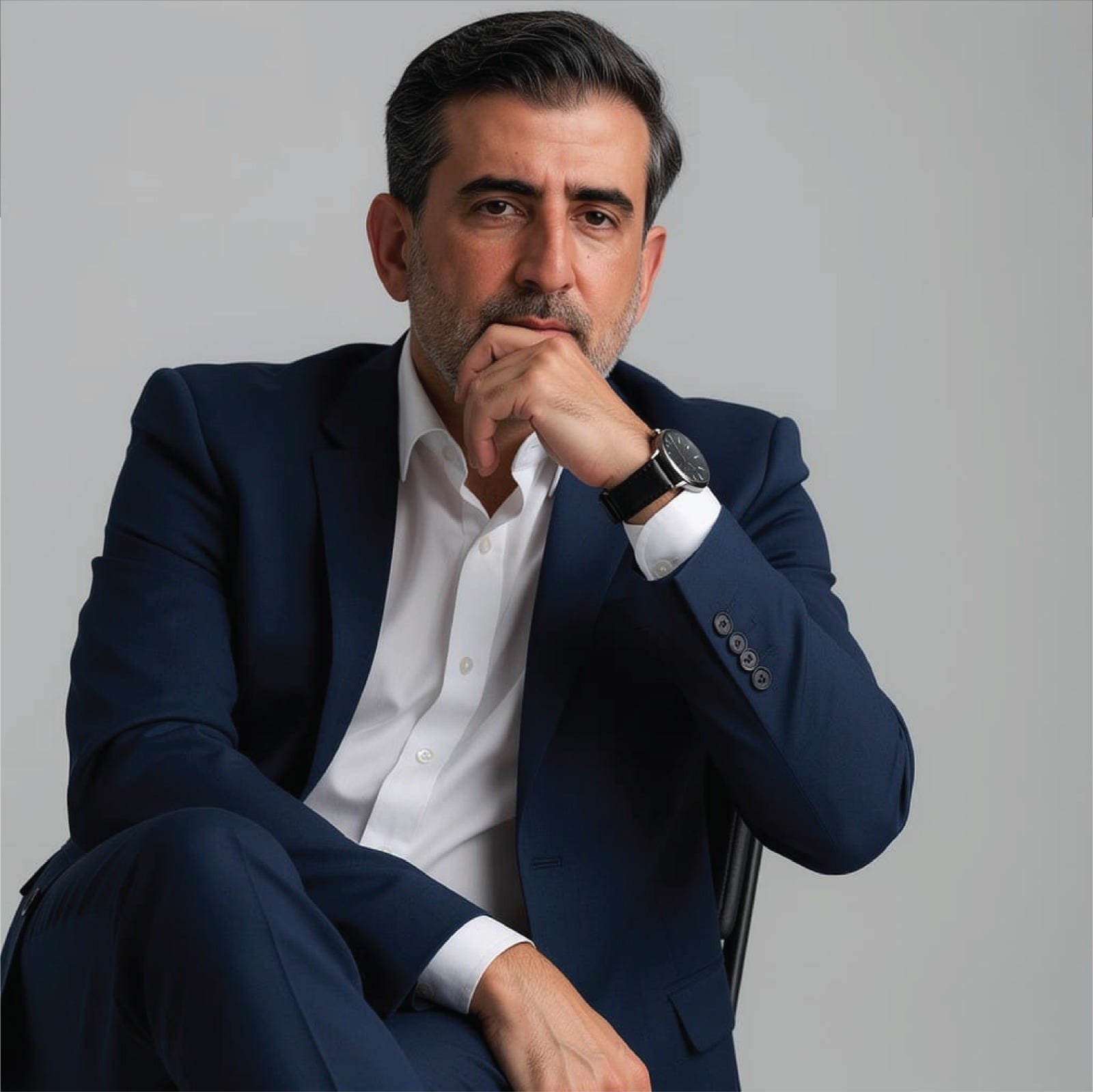
Investment leader Samer Choucair stated that wealthy family offices were not merely entities for asset preservation, but have transformed into strategic players seizing opportunities amidst geopolitical tensions and economic fluctuations.
Samer Choucair explained that these offices did not view crises only as threats, but treated them as a direct source of high-value investment opportunities.
The investment leader pointed out that reports from international financial institutions in 2026 confirmed this shift, with the restructuring of investment portfolios toward private markets, defensive sectors, and geographical diversification, thereby enhancing resilience and reducing risks.
The Shift Toward Private Markets.. Control Instead of Intermediation
Samer Choucair explained that more than 40% of family office portfolios moved toward private markets, including private equity, venture capital, infrastructure, and alternative assets.
Samer Choucair emphasized that this trend was driven by the desire to achieve direct control over investments through direct deals and co-investments, while avoiding the high fees of traditional funds.
Samer Choucair added that investing in public markets was no longer sufficient to achieve target returns, noting that family offices were looking for long-term opportunities that allow them direct influence in asset management.
Investing in “Defense” in its Broadest Sense
Samer Choucair indicated that escalating tensions in the Middle East and Europe pushed family offices to redirect their investments toward shock-resistant sectors, led by defense, cybersecurity, and energy.
Samer Choucair noted that about 74% of these offices outside the United States considered geopolitics the most important factor in their investment decisions, which was reflected in increased investments in military technology and secure supply chains.
The investment leader explained that the concept of “defense” is no longer limited to military industries, but has extended to include everything that enhances the stability of economies in times of crisis, making it one of the most important growth drivers in 2026.
Global Presence as a Risk Management Tool
Samer Choucair confirmed that about half of the family offices adopted a multi-location business model by establishing international branches in global financial centers such as the UAE, Singapore, London, and Zurich.
Samer Choucair explained that this expansion came as a direct response to trade tensions and international sanctions, with the aim of reducing concentrated risks and enhancing operational flexibility.
Samer Choucair added that Gulf offices, especially in Saudi Arabia, possessed a competitive advantage in this field thanks to their ability to build strategic partnerships supported by Vision 2030.
New Generations.. Reshaping Investment Priorities
Samer Choucair pointed out that younger generations within family offices played a pivotal role in changing investment strategies, as they pushed toward a focus on impactful investment and technology.
Samer Choucair indicated that about 79% of these offices were influenced by the trends of new generations, with increased interest in measurable sustainability, artificial intelligence, and healthcare, which contributed to achieving a balance between financial returns and societal impact.
Gulf and Saudi Opportunities.. Alignment with Vision 2030
Samer Choucair emphasized that the new strategies of family offices align significantly with the directions of the Kingdom of Saudi Arabia, where focus has shifted from traditional sectors such as real estate and oil to private markets, infrastructure, and technology.
Samer Choucair noted that sectors such as military industries, renewable energy, and financial technology have become among the most prominent areas of investment attraction, supported by economic reforms and a sophisticated regulatory environment, adding that Saudi Arabia has transformed into a global attraction center for family offices, thanks to the great opportunities it provides within Vision 2030.
Practical Strategies.. How to Move?
Samer Choucair concluded his analysis with a set of recommendations that were necessary to keep pace with this shift:
-
Focusing on direct investment in strategic sectors to achieve greater control and higher returns.
-
Enhancing geographical diversification by expanding into global financial centers.
-
Directing investments toward defense and technology sectors as growth engines.
-
Enabling new generations to lead the shift toward impactful and technical investment.
From Wealth Management to Opportunity Creation
At the conclusion of his analysis, Samer Choucair emphasized that the year 2026 witnessed a fundamental shift in the role of family offices, as they moved from wealth management to opportunity creation.
Samer Choucair explained that investors who were able to read geopolitical shifts and build resilient and diverse portfolios were the most capable of achieving sustainable returns, noting that the Gulf countries, led by Vision 2030, stand on the threshold of a golden phase in the world of strategic investments.