

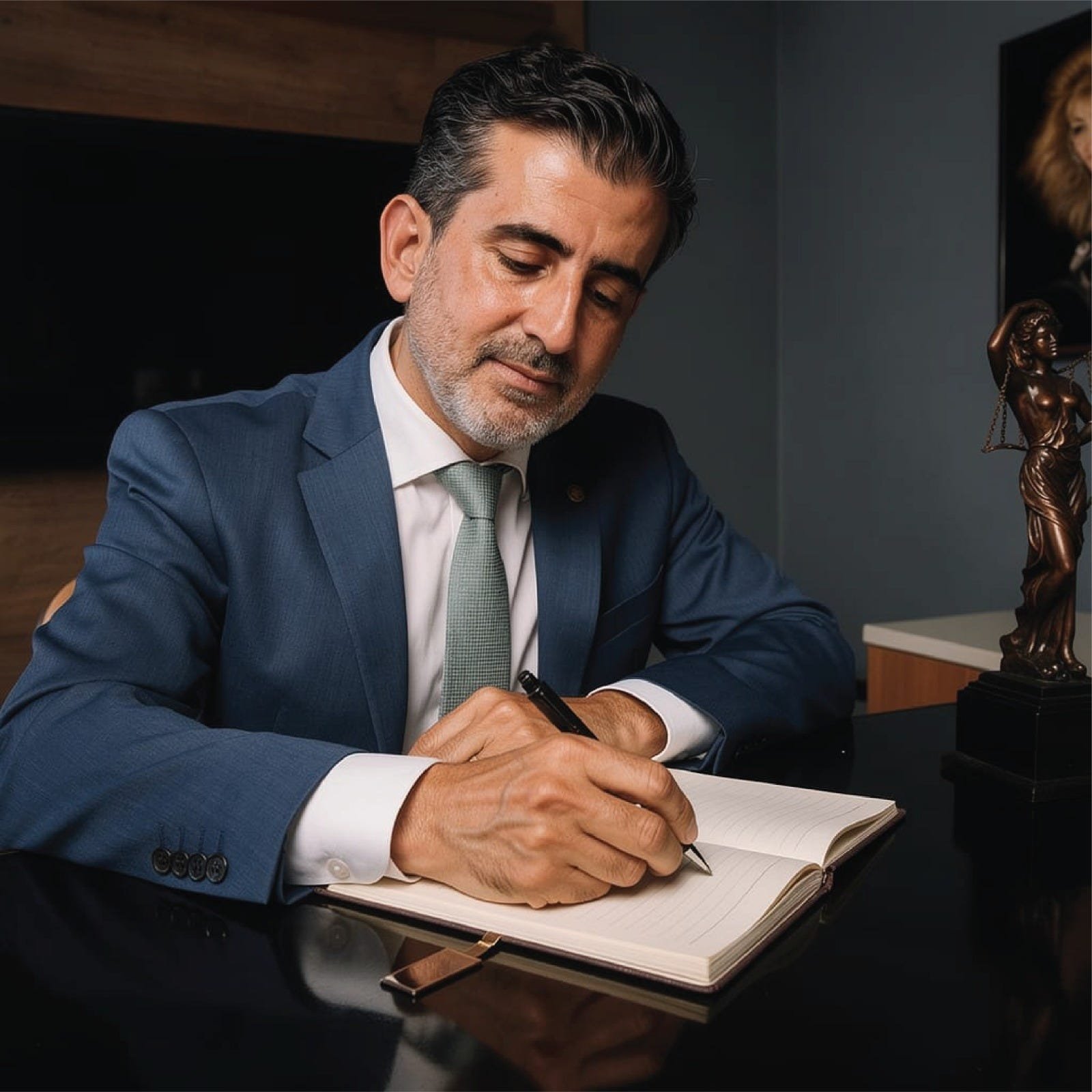
Investment leader Samer Choucair stated that the question topping discussions in economic and technical circles during 2026 is no longer just about who possesses the most powerful AI model, but rather who can provide the highest performance at the lowest possible cost.
Choucair added that reports such as the Stanford AI Index 2026 and Bloomberg reports confirmed that the gap between Chinese and American models has begun to narrow rapidly, at a time when the cost advantage of Chinese models reached levels approximately 95% lower than their counterparts in Silicon Valley.
Chinese Models Flipped the Global Rules of the Game
Samer Choucair explained that the year 2026 witnessed the rise of a group of advanced Chinese models into the list of the top 12 AI models globally, led by DeepSeek V4 and Alibaba’s Qwen 3, in addition to Moonshot’s Kimi K2.6.
Choucair pointed out that the DeepSeek R1 model caused a widespread shock in the technical sector after its training cost amounted to less than only 6 million dollars, compared to the billions of dollars pumped by giant American technology companies into developing their models.
Choucair added that the API pricing for Chinese models has become cheaper by a percentage ranging between 70% and 95% compared to American models, alongside China’s extensive reliance on the open-source philosophy, which made these models among the most downloaded on the Hugging Face platform, and pushed global companies like Airbnb and an increasing number of American startups to use them to reduce operational expenses.
China Moved from Competition to Reshaping the Market
Samer Choucair said that the Chinese shift is no longer just a technical race with the United States, but has become a complete restructuring of the global AI market.
Choucair explained that DeepSeek V4-Pro has become a competitor to Gemini Pro 3.1 in global knowledge tests, while Alibaba’s Qwen model surpassed the 700 million download barrier, with the development of more than 180,000 derived models built upon it.
The investment leader added that Moonshot’s Kimi K2.5 model proved high efficiency in programming and multimodal understanding, even though its training cost did not exceed 4.6 million dollars—a figure Choucair described as “revolutionary” compared to American development costs.
Choucair emphasized that the Chinese strategy based on open source and ease of access contributed to the rapid spread of these models within emerging markets and even within Silicon Valley itself.
Why is Silicon Valley Feeling Anxious?
Samer Choucair pointed out that American concern is not only related to the level of technical performance, but also to the business model itself.
Choucair said that American technology companies have relied over the past years on pumping massive investments and providing high-cost services, while Chinese models succeeded in delivering comparable results at a fraction of the cost.
Choucair added that reports issued by research institutions such as Chatham House warned of the possibility of an “American AI bubble” forming if startups continue to build their products depending on low-cost Chinese infrastructure.
Choucair explained that financial markets showed early signs of this concern after shares of companies like Nvidia and Broadcom witnessed temporary declines following the launch of DeepSeek R1, as a result of investor fears regarding changing competition rules.
Saudi Arabia Accelerates Its Steps to Become a Third Global Power in AI
Samer Choucair emphasized that the Kingdom of Saudi Arabia is moving very quickly to benefit from this global shift, supported by Vision 2030 and the National Strategy for Data and AI led by the Saudi Data and AI Authority (SDAIA).
Choucair noted that the launch of “HUMAIN,” a company owned by the Public Investment Fund, during May 2025 represented a strategic turning point in the Kingdom’s path toward building an integrated AI ecosystem.
Choucair added that “HUMAIN” aims to develop a massive infrastructure including advanced data centers, sophisticated Arabic language models, and specialized sectoral solutions in energy, healthcare, and financial services.
Choucair said that the announced plans included building capacities reaching 6 gigawatts of data centers by 2034, alongside strategic partnerships with global companies such as NVIDIA, AWS, and Qualcomm, in addition to collaborations with Chinese companies like Huawei in the fields of training and development.
Choucair explained that total AI-related investments in the Kingdom exceeded 40 billion dollars, supported by massive projects such as SDAIA’s “Hexagon” center, within the framework of a strategic goal to make Saudi Arabia the third largest global market for AI after the United States and China.