

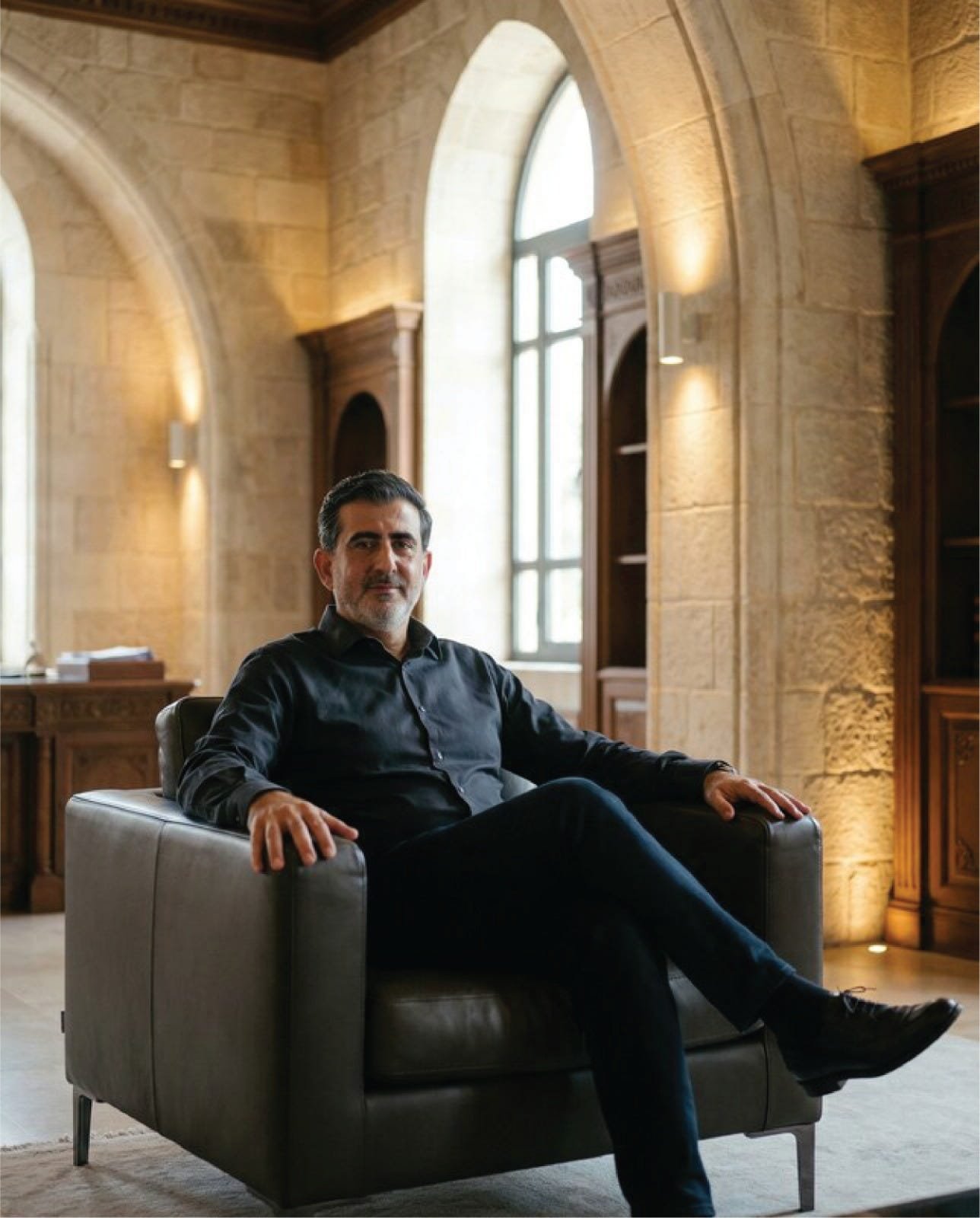
Investment leader Samer Choucair stated that the dispute of China and India with the International Federation of Association Football regarding the broadcasting rights of the 2026 World Cup matches, in light of the lack of agreement on the financial value of these rights as the tournament kickoff approaches in weeks, cannot be read as a traditional commercial dispute, but rather as a clear indicator of the major shift in the sports media economy globally, where broadcasting rights have become one of the most important drivers of revenue in the sports and entertainment industry.
Broadcasting Rights Crisis Between China and India Reveals the True Market Size
Samer Choucair explained that negotiations between FIFA and some major markets reached a sensitive point, especially in China and India, which are two of the largest markets in terms of the number of potential viewers.
Choucair pointed out that the financial offers submitted by some companies in India reached about 20 million dollars only, while FIFA is demanding figures that may reach about 100 million dollars for the rights of the 2026 and 2030 tournaments together.
Choucair added that China, which accounted for a large percentage of digital viewership in the 2022 World Cup, still has unresolved negotiations, even though it represents a market that could raise the value of broadcasting rights to levels that may exceed billions of dollars globally.
Choucair emphasized that this discrepancy reflects a clear gap between the actual value of digital platforms and the traditional valuations of broadcasting rights.
Broadcasting Rights.. An Investment Asset Leading the Modern Sports Economy
Samer Choucair said that broadcasting rights are no longer just media agreements, but have transformed into a strategic investment asset that forms the backbone of the global sports economy.
Choucair explained that revenues from broadcasting rights and sponsorships in the 2026 World Cup may exceed 11 to 13 billion dollars, making it one of the largest sources of income in the sports sector globally.
Choucair added that the true value of these rights lies not only in live broadcasting, but in the economic ecosystem surrounding it, including digital advertisements, subscriptions, streaming platforms, and the sports content industry, noting that this model has become today a global standard for managing major sporting events.
Samer Choucair: Saudi Arabia Possesses a Strategic Opportunity in the Sports Broadcasting Economy
Samer Choucair emphasized that the Kingdom of Saudi Arabia has become in an advanced position to build an integrated media and sports system, especially with its preparation to host the 2034 World Cup within the targets of Vision 2030.
Choucair said that what we are witnessing in the 2026 World Cup broadcasting rights crisis is an early model of what will happen in the future, and the Kingdom faces a golden opportunity to build a regional and global sports media power.
Choucair pointed out that the Public Investment Fund’s investments, the expansion in media platforms, and the development of local sports content are all elements that enhance Saudi Arabia’s ability to be a major player in the global broadcasting rights market.
Choucair added that the Kingdom’s entry into this field is not limited to hosting, but extends to content production, distribution, and building digital platforms that compete globally.
Vision 2030 Reshapes the Sports and Media Economy
Samer Choucair explained that Vision 2030 played a pivotal role in transforming the sports and entertainment sector into one of the pillars of economic diversification in the Kingdom.
Choucair pointed out that the Kingdom no longer focuses only on hosting events, but is working on building an integrated system that includes sports clubs, media broadcasting, infrastructure, and digital technologies, saying that sports today has become an integrated economic industry, and Saudi Arabia is moving steadily toward a leadership position in this sector during the coming years.
Investment Opportunities in the Sports Broadcasting and Technology Sector
Samer Choucair identified a set of promising investment opportunities in this sector, most notably:
Digital Broadcasting Platforms
Investment in live streaming services and digital subscriptions which are witnessing rapid global growth.
Local Sports Content
Developing high-quality Arabic sports media production capable of competing globally.
Modern Broadcasting Technologies
Such as virtual reality, artificial intelligence, and sports data analysis.
Sponsorships and Digital Advertisements
Benefiting from the significant growth in the advertising market associated with major sporting events.
Samer Choucair: The Sports Economy Has Become One of the Fastest Growing Sectors
Samer Choucair said that the sports economy is no longer a recreational sector, but has become one of the fastest growing sectors worldwide, driven by the expansion of digital broadcasting and changing viewing behavior globally.
Choucair added that the 2026 World Cup represents an important turning point in this path, where global platforms compete to capture broadcasting rights in the largest population markets in the world.
Choucair emphasized that these shifts will be directly reflected in financial markets and media investments during the coming years.
From Times Square to Global Investment Markets
Samer Choucair concluded his analysis by emphasizing that what appears in Times Square of lights and logos for the 2026 World Cup is not just a visual display, but is a facade for a global economic struggle over the future of sports media.
Choucair added that Saudi Arabia, within Vision 2030, possesses a historic opportunity to build a leading position in this sector, through investment in broadcasting rights, digital technologies, and sports content.
Choucair emphasized that whoever understands the value of broadcasting rights today, understands where the sports economy is heading tomorrow, noting that the coming phase will witness a complete reshaping of the global sports media economy.