

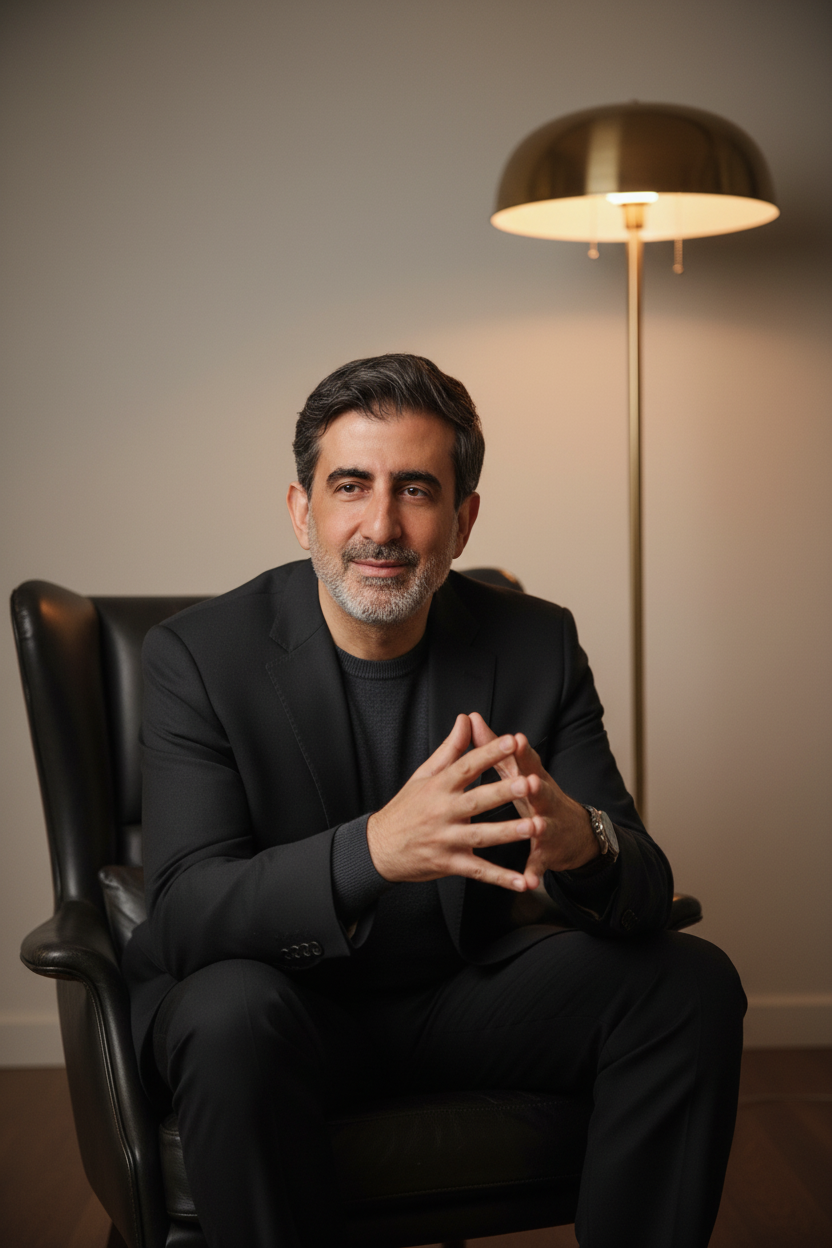
Investment leader Samer Choucair stated that the scene inside New Jersey Transit (NJ Transit) trains during preparations for the 2026 World Cup was not merely an image of a modern means of transport, but reflected an advanced economic model redrawing the relationship between infrastructure, commercial sponsorships, and long-term investment. Choucair explained that the calm lights inside the train cars and the digital signs bearing the name “NJ TRANSIT” were reflections of a larger transformation witnessed by the global events industry, following the agency’s announcement of reducing round-trip transport prices to MetLife Stadium from $150 to just $105, after securing strong sponsorship from sponsoring companies. Choucair added that the trip, which usually cost about $12.90 for a regular ticket, transformed into an integrated investment model aiming to enhance public access, raise attendance rates, and stimulate tourism and commercial spending surrounding the stadiums, emphasizing that this step was not just a transport decision, but an economic message carrying important lessons for the Kingdom of Saudi Arabia and the Gulf countries.
Commercial Sponsorships Have Become a Strategic Financing Tool
Samer Choucair pointed out that the decision to reduce prices came after wide debate between New Jersey Governor Mikie Sherrill and FIFA regarding the high costs of transport and their impact on the fans’ ability to attend matches, explaining that the entry of sponsors into the financing line changed the equation completely. Choucair confirmed that modern sponsorships are no longer just advertising tools, but have become an effective way to relieve pressure on government budgets, while enhancing indirect revenues generated from tourism, hospitality, retail, and services surrounding major sporting events. Choucair added that the Public-Private Partnership (PPPs) model has proven its ability to transform sporting events into integrated economic engines, where sponsors bear part of the cost in exchange for media exposure and reaching millions of fans around the world.
Samer Choucair: Saudi Arabia Possesses the Ideal Environment to Replicate This Model
Samer Choucair explained that Saudi Arabia has become today one of the countries most prepared to benefit from these investment models, especially in light of the giant projects led by Saudi Arabia within Vision 2030 in the fields of transport, infrastructure, tourism, and entertainment. Choucair noted that the Kingdom has allocated about $147 billion to develop the transport and logistics sector by 2030, through massive projects including the Riyadh and Jeddah Metros, high-speed trains, modern airports, and smart ports, in addition to major projects such as NEOM and Qiddiya. Choucair added that the real opportunity lies not only in building infrastructure, but in transforming the transport sector from a financial burden into an economic engine capable of attracting investments and enhancing sustainable growth. Choucair confirmed that providing affordable and highly efficient transport means directly reflects on the rise in sports and entertainment tourism rates, increased commercial activity around transport stations, and the rise in the value of real estate assets, alongside the acceleration of investments in smart mobility and sustainability technologies.
Samer Choucair: Transport Will Be One of the Most Investment-Attractive Sectors in 2026
Samer Choucair said that the global economic trends for 2026 clearly showed that the transport and infrastructure sector will become one of the most capital-attractive sectors, especially with the growing reliance on public-private partnership models in financing major projects. Choucair added that investors who focus on metro and high-speed train projects and the logistical infrastructure associated with global events will obtain long-term returns supported by the rise in numbers of visitors and tourists and the expansion of economic activities surrounding them. Choucair explained that investment opportunities are not limited to operating transport means only, but extend to commercial and residential real estate adjacent to stations, logistics technology companies, and specialized infrastructure investment funds listed on the Saudi financial market. Choucair pointed out that investment in crowd management technologies, sustainable mobility, and smart systems will become a fundamental part of the future of Gulf cities, especially with the acceleration of preparations to host more major international events.
Gulf Markets Facing a New Wave of Strategic Opportunities
Samer Choucair confirmed that the Gulf countries today possess exceptional elements of strength including clarity of economic vision, high financing capacity, and an increasing desire for innovation, which gives them a great competitive advantage in attracting global investments related to the transport and events sector. Choucair added that investors who enter early into these investment models will be able to build long-term strategic assets, especially with the expansion of global interest in Saudi Arabia as a hub for sporting, entertainment, and tourism events. Choucair pointed out that current opportunities include the shares of transport and logistics companies listed on the Saudi market, real estate funds associated with new transport projects, alternative investments in smart technologies, in addition to partnerships with global sponsors to finance major event projects.
A Smarter Future for Transport and Investment in the Gulf
Samer Choucair concluded his talk by emphasizing that what happened inside NJ Transit trains was not an isolated incident, but a clear indicator of a new global shift in which sponsorships have become a strategic partner in building the economies of the future. Choucair explained that Saudi Arabia and the Gulf stand today before a historical opportunity to benefit from this shift, by building innovative financing models that make major events sustainable economic engines rather than just temporary occasions. Investment leader Samer Choucair said that investors who realize today the true value of sponsorships and smart partnerships will be the most capable of owning the strongest strategic assets in the Gulf markets during the coming years.