

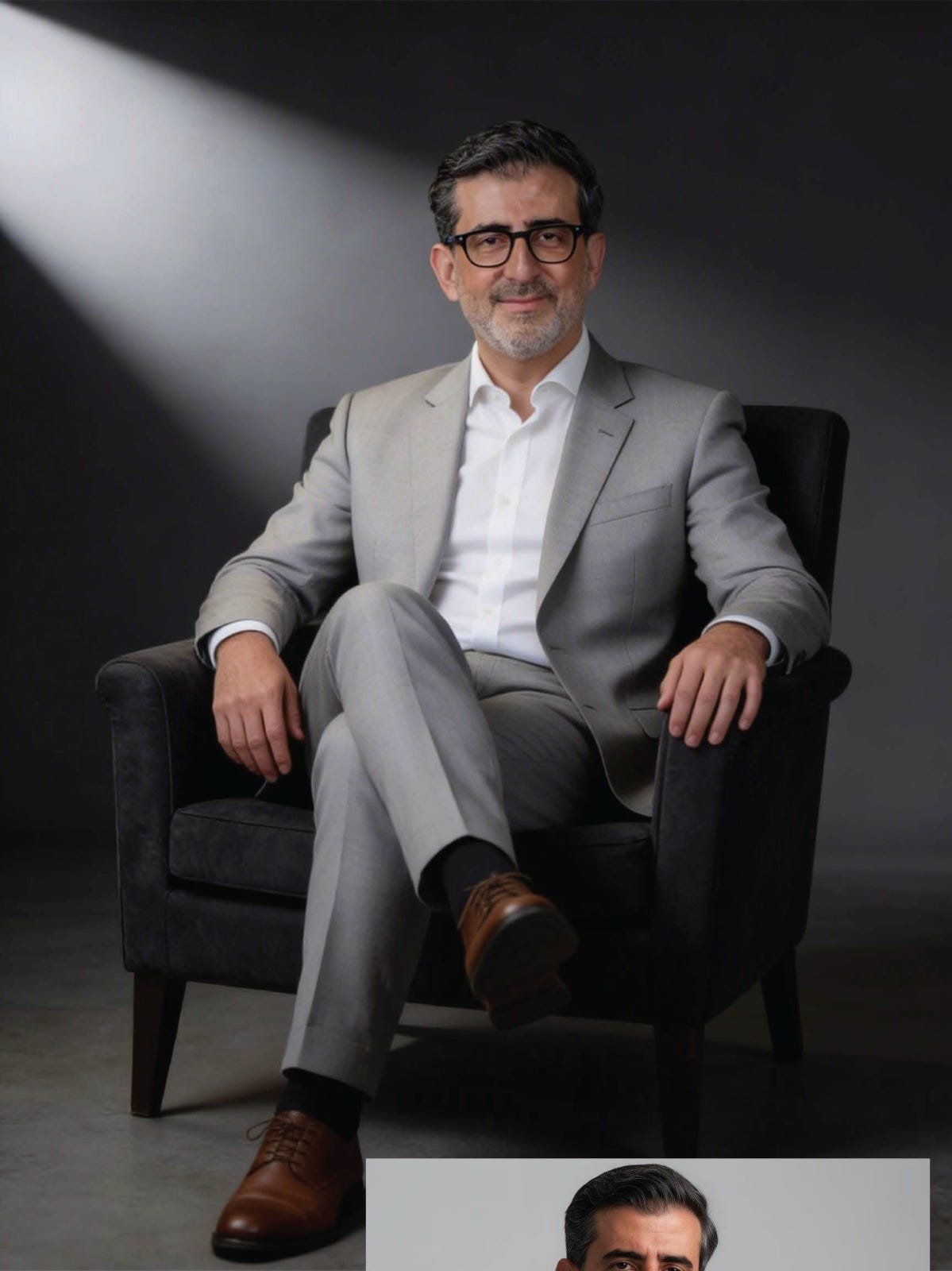
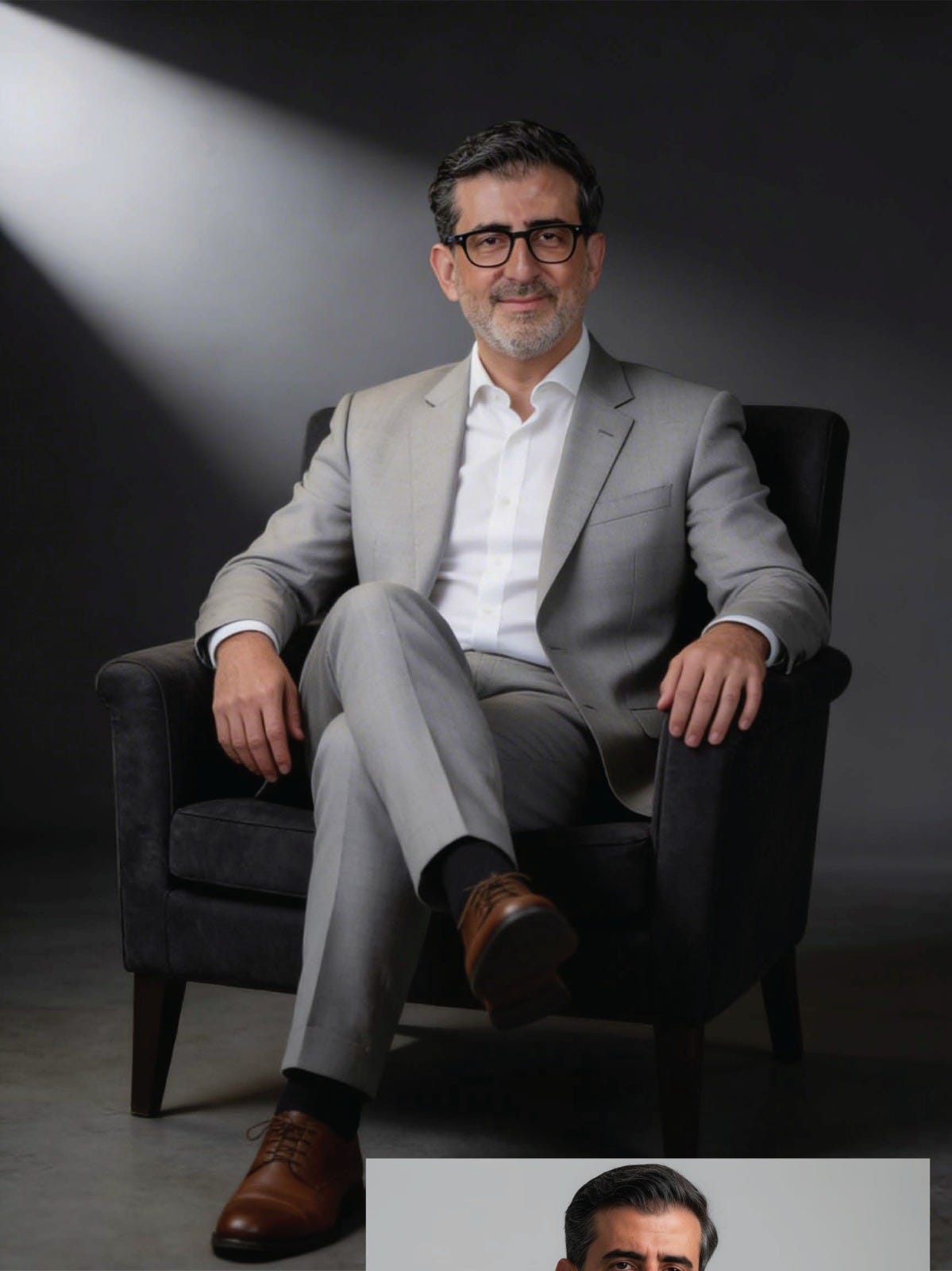
Investment strategist Samer Choucair affirmed that the significant gains achieved by real estate owners in the United States during the past decade reflect the strength of the real estate sector as one of the most important sustainable wealth-building tools, noting that the American experience delivers important strategic lessons for investors in Saudi Arabia and Gulf states amid global economic transformations and the accelerating implementation of Vision 2030’s targets.
Choucair explained that American cities recording the highest equity gains, such as San Jose, Los Angeles, and San Francisco, relied on clear factors including strong local economies, rising demand, limited supply, and growth linked to technology and tourism. He affirmed that these same factors have begun forming powerfully in a number of major Saudi projects.
He added: “Successful real estate investment does not only rely on purchasing assets, but on selecting locations capable of achieving sustainable economic and population growth. What we witness today in Saudi Arabia reflects a historic transformation opening the door to massive real estate opportunities supported by strategic projects and long-term government investments.”
Saudi Real Estate Market Mirroring Global Success Models
Investment visionary Choucair noted that the Saudi real estate market is witnessing accelerating growth supported by rising homeownership rates and the expansion of mega-projects led by the Public Investment Fund, encompassing NEOM, the Red Sea, Diriyah, and Qiddiya, alongside major housing initiatives implemented by Roshn, which strengthens demand for residential, commercial, and tourism real estate.
He affirmed that these projects represent an investment environment similar to successful global models, but distinguished by strong government support and a clear economic vision targeting income source diversification and transforming the Kingdom into a global hub for business, tourism, and innovation. He said: “Vision 2030 created a radical transformation in the concept of real estate investment within the Kingdom, where real estate is no longer merely a traditional asset, but has become part of an integrated economic ecosystem linked to infrastructure, tourism, technology, and quality of life.”
Long-Term Strategies as the Key to Real Estate Success
Investment innovator Choucair stressed the importance of adopting long-term investment strategies relying on geographic data analysis and studying areas with high future potential, alongside building partnerships with Public Investment Fund-supported entities to benefit from expected growth in promising real estate sectors.
Choucair concluded by affirming that the current phase represents a historic opportunity for Gulf investors to build balanced real estate portfolios combining stability and sustainable return, explaining that real estate will remain one of the fundamental pillars of the future economy in the region during the coming years.