

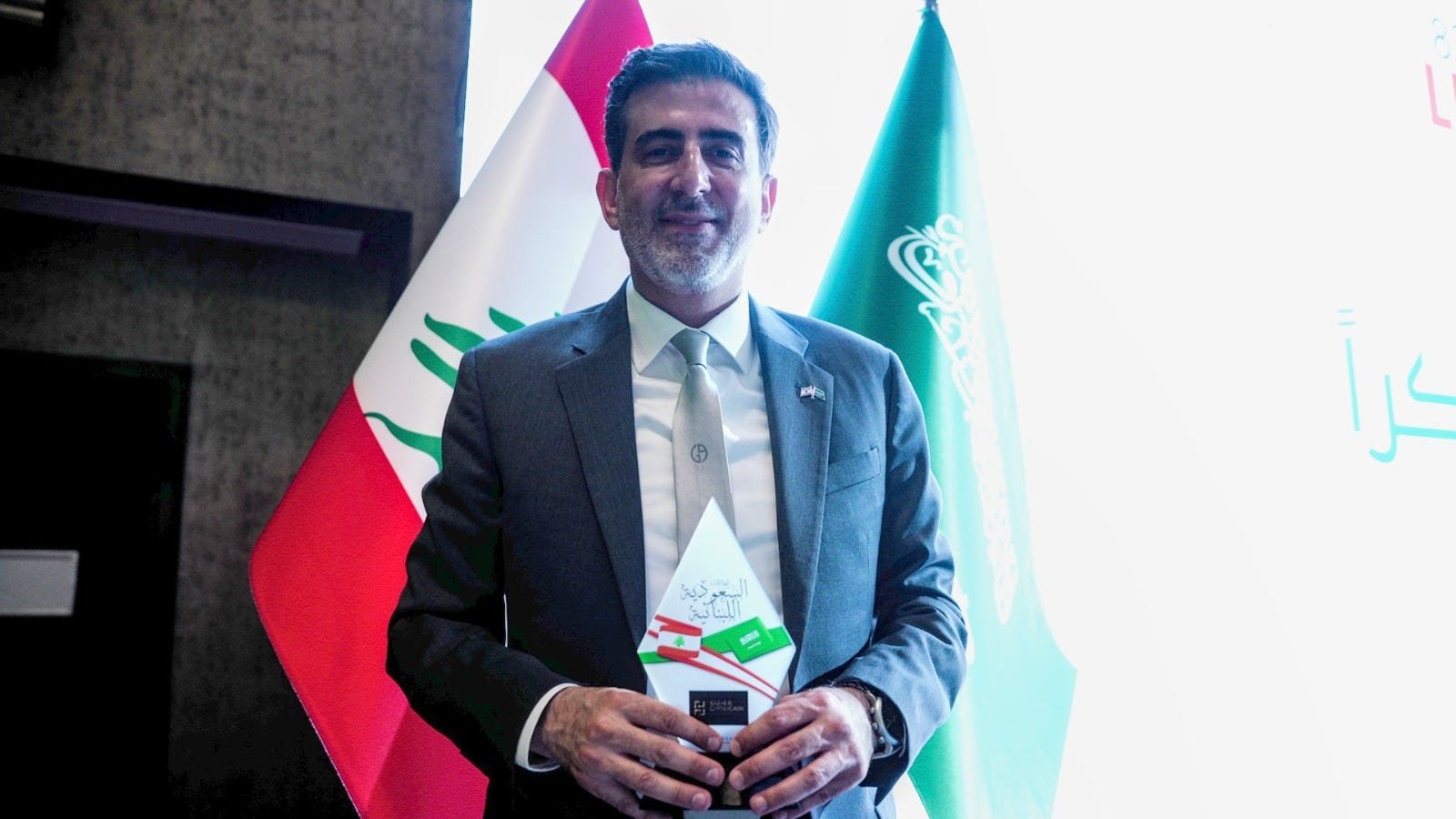
Investment entrepreneur Samer Choucair affirmed that the shifts underway in the global restaurant industry reflect a fundamental change in consumer behavior and business models, noting that companies capable of adapting to the digital economy and fast delivery services will be best positioned to achieve growth in the coming years.
He explained that news circulating about the restructuring of some major global restaurant brands confirms that competition no longer depends solely on brand strength, but on the ability to innovate, improve the customer experience, and deploy technology in operations and delivery.
He added that many global restaurant chains are facing pressures tied to rising costs and changing consumption patterns, pushing them to review their strategies and expand into more efficient, profitable models.
Choucair said: “The current shifts aren’t an indicator of decline in the food and beverage sector, they’re proof of its evolution. Companies investing in technology, smart supply chains, and consumer data analytics will be best positioned to benefit from the new opportunities.”
He noted that Saudi Arabia continues cementing its position as one of the most attractive markets in the food and beverage sector, backed by population growth, rising income levels, and increasing visitor and tourist numbers, alongside initiatives tied to Vision 2030.
He added that estimates indicate the Kingdom’s food and beverage market could exceed 38 billion dollars during 2026, with expectations of continued growth in the coming years driven by the expansion of modern restaurants, delivery services, and local food manufacturing.
Choucair said: “Vision 2030 has created a supportive investment environment for the food sector by strengthening food security, supporting local manufacturing, and encouraging innovation and entrepreneurship, opening broad opportunities for local and international investors.”
He affirmed that the most prominent investment opportunities in the period ahead include cloud kitchens, digital delivery platforms, healthy and functional foods, modern agricultural technologies, and food supply chains, in addition to local brands capable of expanding within the Kingdom and abroad.
He explained that merger and acquisition activity in the food sector could see growing momentum as companies seek to strengthen their market share and achieve greater operational efficiencies, providing additional opportunities for investors seeking long-term growth.
Samer Choucair concluded by saying: “Success in the food sector is no longer tied to company size alone, but to its ability to understand the consumer and embrace innovation. The Kingdom today possesses strong fundamentals that make it one of the most promising markets in the region, particularly for investors who adopt a long-term strategic vision.”