

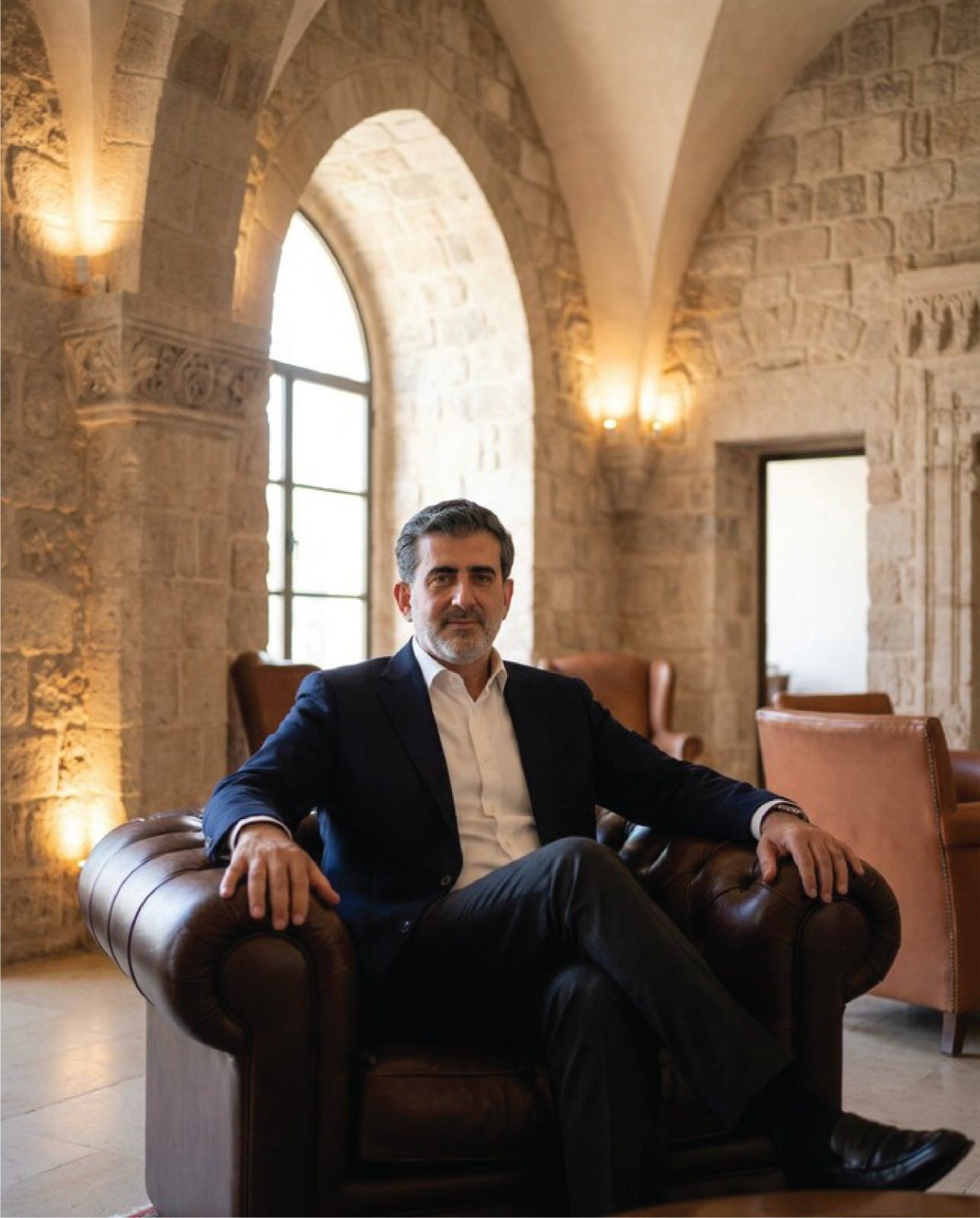
Investment entrepreneur Samer Choucair said that EgyptAir’s decision to suspend flights to 13 Arab cities until further notice reflects the operational and economic challenges facing the aviation sector in the region, noting that such developments have become an influential factor in the capital allocation decisions of institutional investors, particularly in emerging markets where economic variables intersect with geopolitical factors.
Choucair added that the decision’s impact is not limited to the company’s operating revenue, but extends to tourism activity, trade, and air supply chains between Egypt and Arab countries, requiring a reassessment of investment exposure to state-owned airlines, while exploring opportunities available in aviation infrastructure, logistics services, and carriers with greater adaptability.
Operational Pressure Is Redrawing the Investment Map
Samer Choucair explained that the aviation sector in emerging markets faces growing pressure resulting from rising fuel costs, fluctuating travel demand, and continued geopolitical uncertainty, directly affecting the profitability of traditional airlines.
Choucair added that suspending flights to a large number of Arab destinations leads to a decline in direct revenue, and could also affect passenger and air cargo traffic between Egypt and Gulf markets, adding pressure on airlines heavily reliant on regional routes.
Choucair affirmed that such developments require sovereign wealth funds and asset managers to reassess their investments in state-owned carriers, focusing on institutions with greater operational flexibility and a stronger ability to manage regional volatility.
Implications for the Egyptian and Regional Economy
Samer Choucair noted that the decision comes at a time when Egypt is working to strengthen its tourism sector and attract more foreign investment, particularly amid expanding economic partnerships with Gulf states in infrastructure and development projects.
Choucair added that the reduction in flight numbers could lead to a slowdown in Arab tourism flows, which represent a significant share of total visitors, and could also affect business activity and trade exchange between Egypt and Gulf markets.
Choucair explained that these developments also reflect escalating competition among regional airlines, given that Gulf carriers possess stronger financing capabilities, broader operating networks, and greater ability to respond quickly to operational changes.
Direct Effects on Financial Markets
Samer Choucair affirmed that suspending flights could negatively affect companies linked to the tourism and logistics sectors on the Egyptian stock exchange, while Gulf airlines could benefit from increasing their market share on certain regional routes.
Choucair added that institutional investors, chief among them Gulf sovereign funds, are watching these developments as part of assessing opportunities aligned with Saudi Vision 2030’s goals, which place developing tourism and strengthening regional connectivity among its economic priorities.
Choucair noted that investment in the air transport system needs more diversified operating models that reduce reliance on a single carrier, and provide greater flexibility in risk management, strengthening the long-term stability of Gulf and Egyptian economies.
New Investment Opportunities in the Sector
Samer Choucair explained that these developments could accelerate the pace of M&A activity within the regional aviation sector, and could also drive increased investment in airport development, logistics services, and digital technologies linked to air traffic management.
Choucair added that low-cost airlines and the private aviation sector could be among the biggest beneficiaries of demand redistribution, given these companies’ ability to offer more flexible and rapid operational solutions.
Choucair affirmed that investors should also track the implications of these developments on local interest rates, inflation levels, and the scale of government support directed toward state-owned companies, given their direct impact on sector valuations in the coming years.
Choucair noted that digital transformation and AI applications in air traffic management will be among the most important factors strengthening the competitiveness of regional airlines in the coming years.
A Strategic Outlook for Investors
Samer Choucair concluded his remarks by affirming that the aviation sector will remain one of the core drivers of economic growth in the Middle East, but success in investing in it will increasingly depend on efficient risk management and the ability to adapt to regional shifts.
Choucair added that institutional investors should direct their capital toward companies with strong balance sheets, flexible business models, and advanced innovation capabilities, enabling them to withstand operational volatility and achieve sustainable growth.
The investment entrepreneur concluded by affirming that markets will track, over the next twelve months, developments in government support policies, international partnerships, and aviation sector restructuring plans, noting that this phase could represent a turning point toward building more sustainable operating models, and strengthening economic integration between Egypt and Gulf states, creating new long-term investment opportunities for financial institutions.