
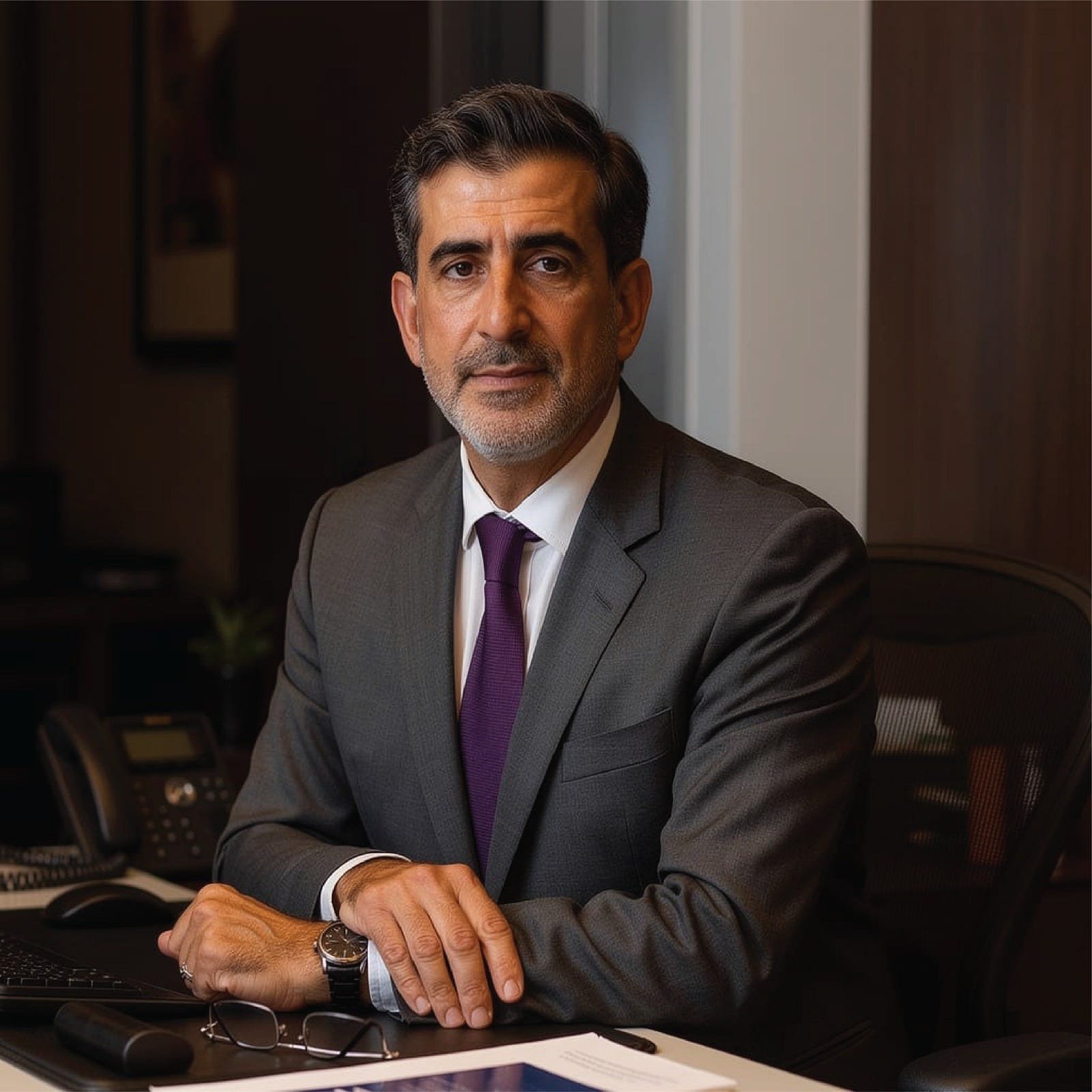
Investment entrepreneur Samer Choucair said that the escalating global debate over mandatory office return is no longer just an administrative discussion related to employee management, but has become an economic and investment issue tied to the future of work environments, productivity, and digital transformation around the world.
He explained that recent studies examining why some leaders reject remote or hybrid work models revealed dimensions extending beyond traditional operational considerations, showing that some decisions may be influenced by factors tied to management culture and leadership style more than performance and productivity indicators.
He added that these shifts are creating massive investment opportunities in sectors tied to digital technologies, smart real estate, and infrastructure supporting the knowledge economy, sectors that align directly with Saudi Vision 2030’s targets.
A Global Debate Over the Future of Work Environments
Samer Choucair noted that the global debate over remote and hybrid work reflects a fundamental shift in how modern institutions are managed.
He explained that many recent studies have shown that productivity in many knowledge-based, technical, financial, and professional service jobs can remain stable or achieve higher levels when flexible work models are implemented correctly.
He added that the major development in digital communication tools, cloud computing, and artificial intelligence has made it possible to manage work teams with high efficiency without needing constant presence within traditional offices.
He affirmed that this shift doesn’t represent a temporary trend, but reflects a genuine reshaping of the future of the global labor market.
Saudi Arabia Adopts Flexibility as Part of Economic Transformation
Samer Choucair explained that Saudi Arabia has succeeded in keeping pace with these shifts by adopting policies and programs that support modern work environments and help improve labor market efficiency.
He noted that 2026 data showed roughly 42% of workers in the Kingdom’s knowledge-based sectors are working under hybrid work models, compared to just roughly 12% before 2020.
He added that roughly 34% of Saudi companies now offer remote or hybrid work options for their employees, while studies showed that 72% of employees prefer flexibility in the workplace even with the possibility of giving up part of their salary in exchange for this benefit.
He affirmed that the Ministry of Human Resources and Social Development’s remote work program has played an important role in strengthening this shift, particularly in empowering Saudi women and expanding employment opportunities across different regions.
He noted that roughly 85% of workers in the Kingdom’s remote work programs are Saudi women, reflecting the positive impact of these initiatives on the labor market.
Office Real Estate Enters a New Phase of Development
Samer Choucair explained that the spread of hybrid work models doesn’t mean declining importance of office real estate, but redefines the concept of offices and how they’re used.
He added that the Kingdom’s office real estate market continues recording strong growth rates, with expectations of its size reaching roughly 55.63 billion dollars by 2030, at a compound annual growth rate of 7.8%.
He noted that the regional headquarters program for global companies has helped increase demand for modern office spaces in major cities, particularly Riyadh and Jeddah.
He explained that rents in some premium locations saw increases ranging between 20% and 30% as a result of rising demand from international and regional companies.
He affirmed that the bigger investment opportunity is no longer in traditional offices, but in developing flexible, smart workspaces equipped with the latest technologies and services suited to the needs of companies operating under hybrid models.
Technology and AI Lead the Next Phase
Samer Choucair noted that the shift toward flexible work is accelerating demand for technical solutions supporting productivity and digital collaboration.
He explained that the most prominent beneficiary sectors include AI-powered digital collaboration platforms, smart office solutions and PropTech technologies, cloud infrastructure and data centers, cybersecurity and information protection, and digital training and professional skills development technologies.
He added that these areas align directly with Saudi Vision 2030’s priorities, which aim to build an economy based on knowledge, technology, and innovation.
Hybrid Work Strengthens the Competitiveness of the Saudi Economy
Samer Choucair affirmed that flexibility in work environments has become one of the key factors affecting companies’ ability to attract and retain talent.
He explained that institutions that succeed in providing a flexible, technology-supported work environment are better positioned to raise productivity, reduce operational costs, and achieve higher levels of employee satisfaction.
He added that this shift simultaneously supports the Kingdom’s goals related to improving labor market efficiency and increasing national talent participation in modern sectors.
He noted that smart cities and giant projects being developed in the Kingdom, such as NEOM and other strategic projects, provide an ideal environment for implementing future work models based on technology and flexibility.
Where the Opportunities Lie for 2026
Samer Choucair explained that investors focused on long-term trends recognize that the digital economy has become one of the biggest growth drivers in the coming years.
He added that investing in technologies supporting flexible work isn’t limited to software alone, but includes digital infrastructure, smart real estate, and services tied to managing modern work environments, affirming that the Kingdom possesses all the fundamentals making it one of the fastest-growing markets in these fields, thanks to massive government investment and legislation supporting digital transformation.
He noted that companies that succeed in developing solutions that raise productivity and lower operational costs will be among the most prominent beneficiaries of the ongoing economic shifts in the region.
Investment Recommendations for Gulf Investors
Samer Choucair affirmed that the current stage offers promising investment opportunities across a number of sectors tied to the future of work.
He explained that the most prominent opportunities include investing in smart office projects and flexible office spaces in Riyadh, Jeddah, and NEOM, supporting technology companies specialized in remote work and digital collaboration solutions, investing in cybersecurity and cloud infrastructure, developing digital training and professional qualification progra…