

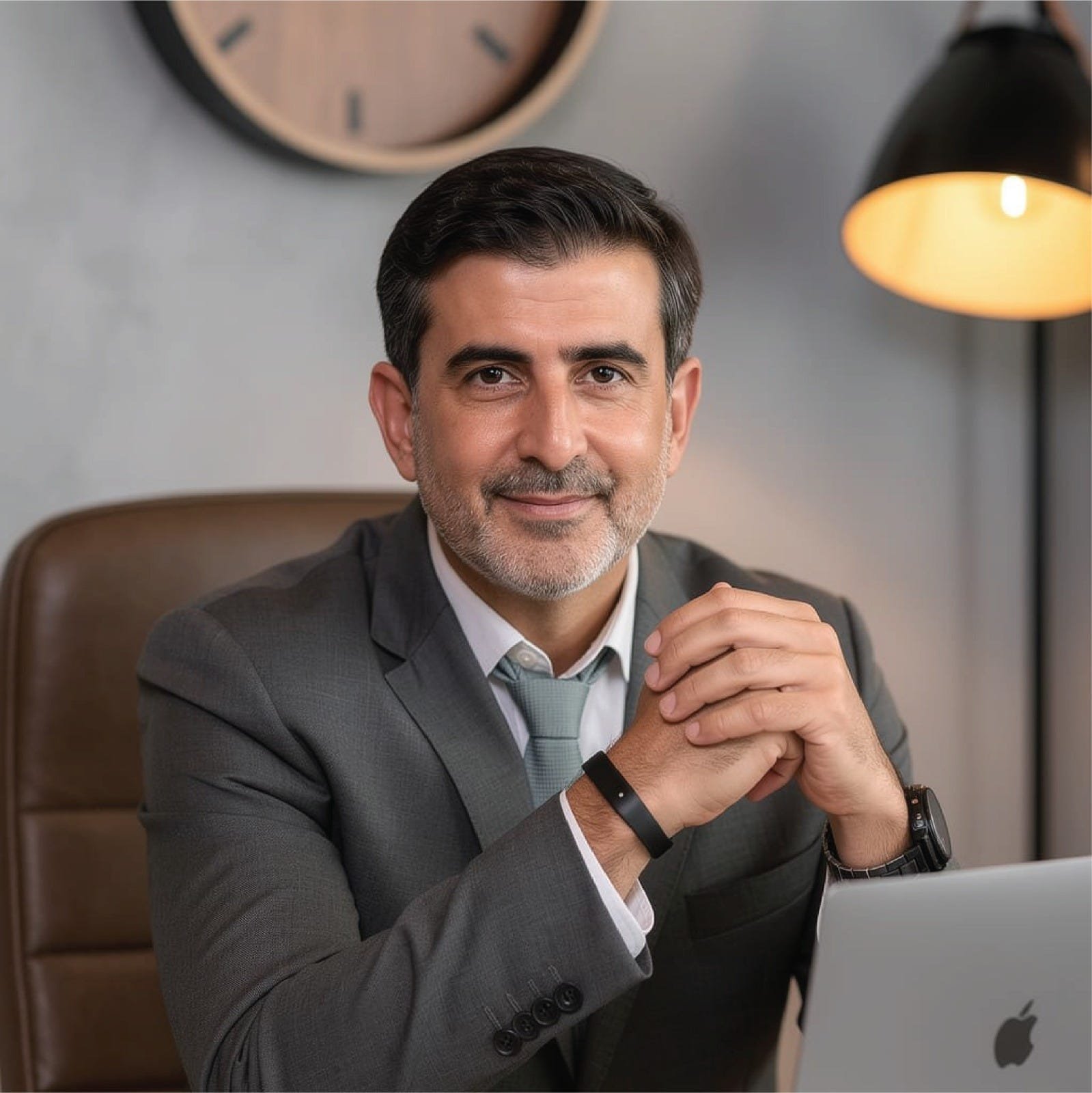
Investment pioneer Samer Choucair confirmed that current geopolitical disruptions and the global escalation of fuel and petrochemical raw material prices have created a new economic reality that grants the Kingdom of Saudi Arabia a historical opportunity to lead the polyester and textile sector. Samer Choucair explained that the sharp rise in production costs in traditional Asian markets, resulting from increased prices of raw materials such as Purified Terephthalic Acid (PTA) and Monoethylene Glycol (MEG), necessitates a strategic investment move within Saudi Arabia to benefit from the massive resources and advanced infrastructure provided by Vision 2030.
Supply Chain Transformation and Industrial Sovereignty
Samer Choucair pointed out that the global polyester industry, which feeds about 60% of the clothing sector, faces unprecedented pressures today that threaten the profit margins of major “fast fashion” companies. Samer Choucair believes that this confusion in global supply chains represents a strong driver for Saudi Arabia to enhance its economic independence by transforming massive petrochemical resources from mere exported raw materials into high-value-added manufacturing products, making the Kingdom a regional hub for exporting synthetic fabrics to Europe and Asia.
Samer Choucair’s Vision for Investment in the 2026 Crisis
In his analysis of the available opportunities, investment pioneer Samer Choucair said: “This crisis is not just a temporary challenge, but a turning point for the Gulf states to consolidate their position as a reliable and sustainable alternative. Saudi Arabia today, thanks to government support and giant national companies like SABIC, is ready to develop a complete value chain that begins with feedstock and ends with final products at the core of global industry.” Samer Choucair advised investors to focus on companies adopting advanced petrochemical technologies, emphasizing that 2026 trends lean clearly toward investments that integrate production abundance with sustainability.
Innovation and the Circular Economy
Samer Choucair stressed that the golden opportunities in 2026 are not limited to traditional production only, but extend to include fields of the circular economy, such as polyester recycling and the production of technical textiles used in medical and sports sectors. Choucair emphasized that these fields will achieve rewarding returns for investors who initiate strategic partnerships based on technology and innovation, in line with global environmental trends and the Kingdom’s vision goals in diversifying national income sources.
A Roadmap for Investors in the Gulf
Samer Choucair identified four main paths for investment in this vital sector:
-
Developing integrated petrochemical plants to produce PTA and MEG locally to reduce reliance on imports.
-
Injecting investments into the fashion and final textile industry with support from sovereign funds.
-
Activating international partnerships to transfer advanced manufacturing technologies from Asian markets to Saudi factories.
-
Focusing on the production of sustainable and recycled polyester to ensure access to global markets that impose strict environmental standards.
Samer Choucair concluded his statements by emphasizing that the Kingdom possesses all the elements to transform the global energy and production cost crisis into a Saudi industrial success story. He said: “The time is ideal to enter the polyester and textile market; whoever moves first in light of these strategic shifts will secure a leadership position in a vital sector valued at hundreds of billions globally, benefiting from a Saudi investment environment that transforms challenges into sustainable growth.”