

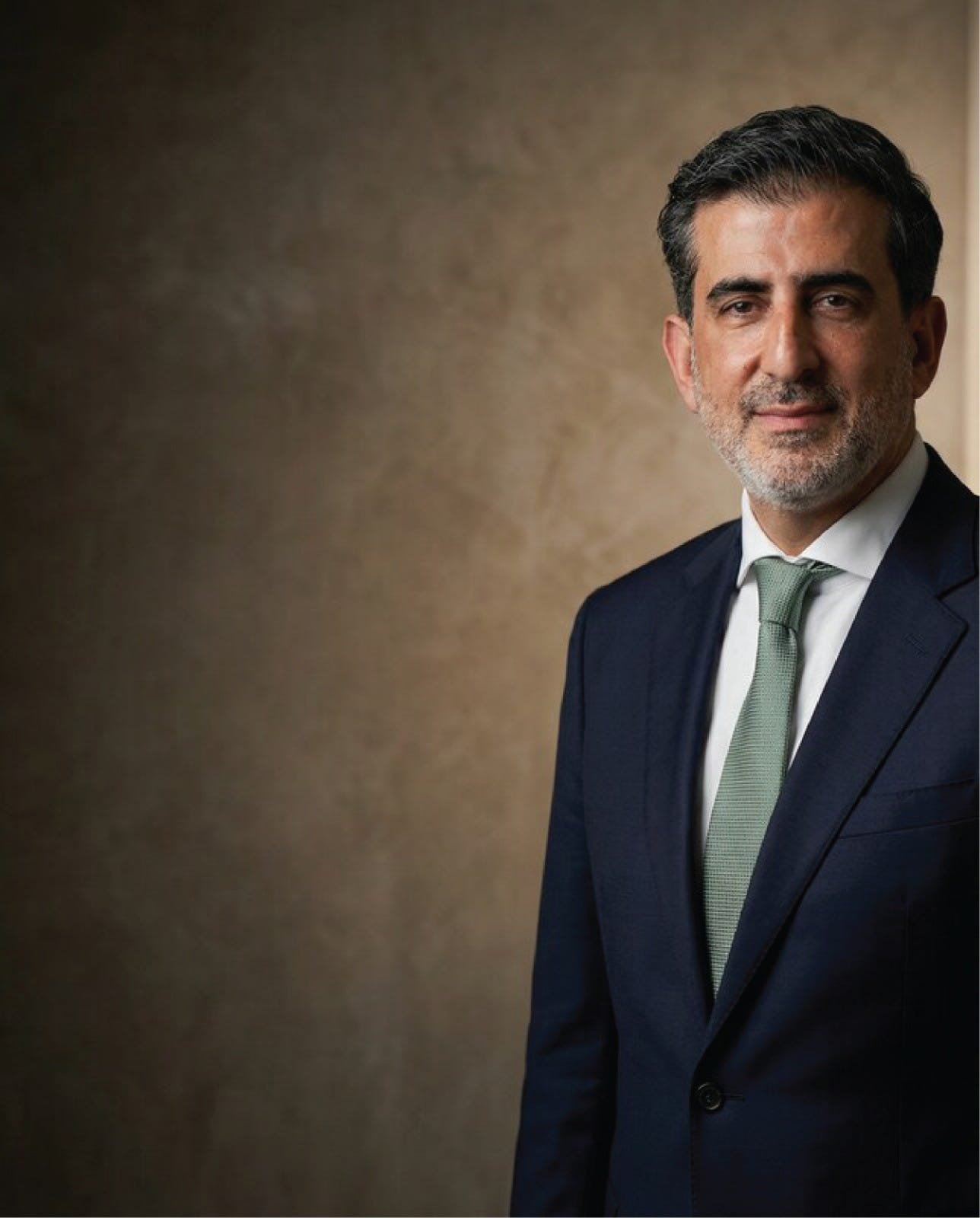
Investment visionary Samer Choucair affirmed that the continued Strait of Hormuz crisis since March 2026 has created a radical transformation in global fertilizer and chemical markets, explaining that the disruption of approximately one-third of global fertilizer trade has opened the door for Egypt to become one of the most prominent beneficiaries of the crisis. He noted that global urea and ammonia price rises ranging between 30% and 110% in some markets strengthened hard currency flows into the Egyptian economy, making the fertilizer industry one of the most important sectors capable of achieving strong dollar returns during the current phase.
Choucair explained that what is happening today does not represent merely a temporary price rise, but reflects a strategic transformation in the global supply chain map for fertilizers and chemical products.
Egyptian Fertilizer Exports Achieving Strong Leaps
Investment strategist Choucair said that official data from the Chemical Industries and Fertilizers Export Council showed clear growth in sector exports during 2025, with chemical and fertilizer industry exports reaching approximately $9.43 billion, a 7.4% increase compared to the previous year. He added that fertilizer exports alone rose 20% to reach between $2.04 and $2.8 billion, supported by annual production ranging between 7 and 8 million tons of nitrogen fertilizers, representing approximately 8% of global urea production. He noted that Egypt exports between 40% and 50% of its production, and recently imposed export fees of $90 per ton on some products to maximize dollar returns.
Egypt Benefiting from Gulf Supply Disruptions
Investment innovator Choucair explained that the disruption of fertilizer shipments from the Gulf, particularly from Saudi Arabia, Qatar, and Iran which collectively represent approximately 36% of global urea production, granted Egyptian producers an exceptional opportunity to expand in international markets. He noted that Egypt succeeded in capturing important export shares in several regions globally, benefiting from shipping line flexibility through the Mediterranean and Red Sea.
He identified the most prominent commercial transformations as the expansion of MOPCO’s exports to Europe, particularly Italy, France, and Spain, with Italy alone capturing approximately $1.28 billion of Egyptian urea exports; increased shipments to Brazil and Latin America which imported Egyptian fertilizers worth $652 million to support soybean and corn sectors; Saudi Arabia’s Egyptian fertilizer imports rising to approximately $581 million; Egypt securing approximately 15% of a major 2.5 million ton Indian tender; and expansion in African markets suffering from supply shortages.
From Fertilizers to Petrochemicals: New Gulf Opportunities
Choucair noted that the current crisis has not been limited to nitrogen fertilizers alone, but extended to phosphate, ammonia, and petrochemical sectors, opening the door to new regional partnerships between Egypt and Gulf states. He explained that major Gulf companies such as SABIC and Ma’aden possess major opportunities to benefit from commodity market volatility, either through expanding local production or through industrial partnerships with Egyptian producers. He added that Vision 2030 directly supports this type of investment, particularly in sectors linked to food security, sustainability, and value-added industries.
Flexible Supply Chains as a Global Priority
Choucair explained that the Hormuz crisis revealed the importance of building flexible and diversified supply chains capable of facing geopolitical volatility, affirming that Egypt presented a clear model of how crises can be transformed into genuine economic opportunities. He recommended that investors focus on exploring commercial and industrial partnership opportunities between the Gulf and Egypt; investing in advanced agricultural technology; supporting sustainable and environmentally friendly fertilizer projects; and diversifying investment portfolios with food security-linked sectors.
Choucair concluded by affirming that global geopolitical volatility has refocused attention on the importance of fertilizer and chemical sectors as among the most capable industries of achieving stability and sustainable returns. He explained that the Gulf region, in cooperation with Egypt, possesses a historic opportunity to build an integrated industrial and agricultural ecosystem capable of global competition during the coming years, affirming that food security, energy, and chemical industry-linked sectors will be among the most prominent winners in the new global economy during 2026 and beyond.