

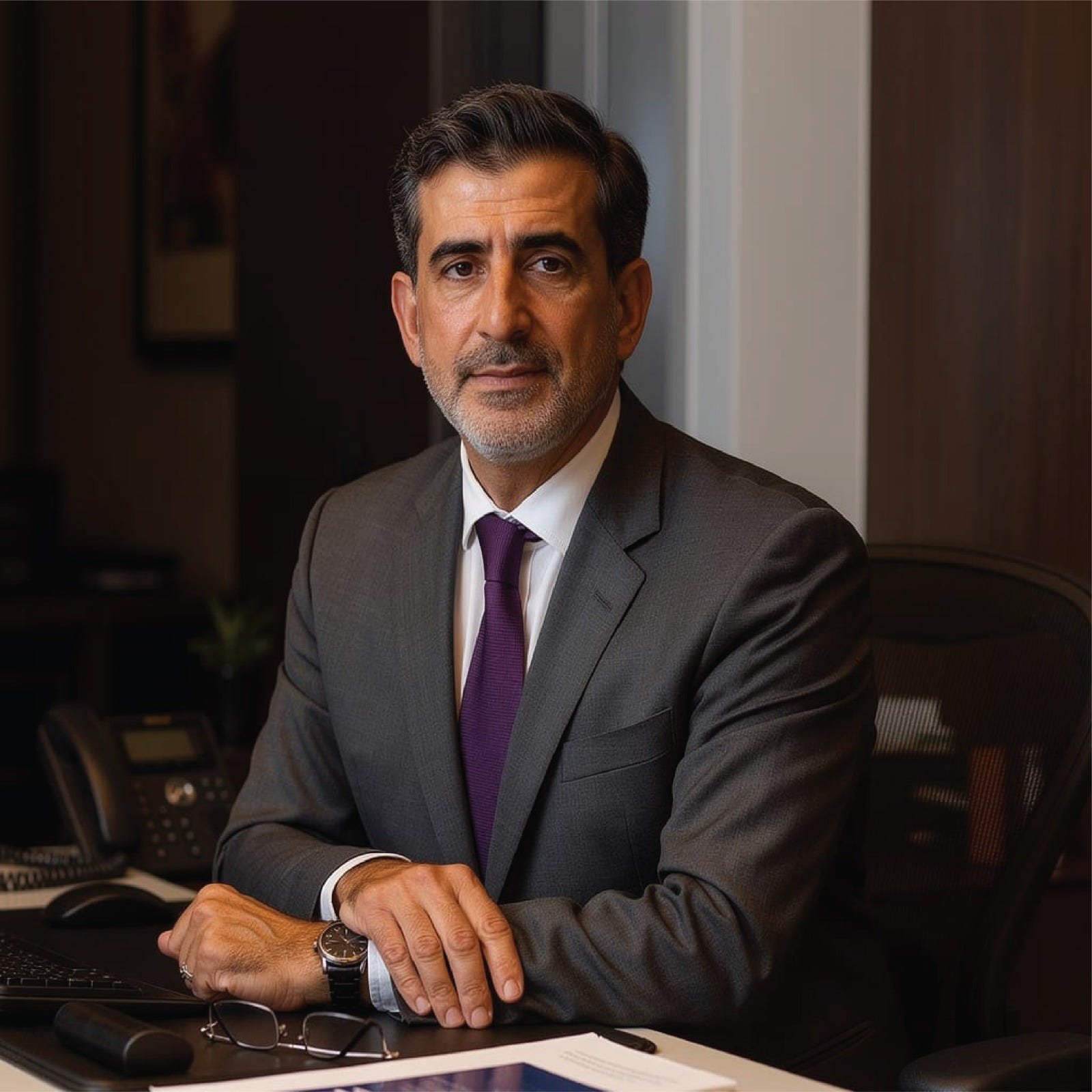
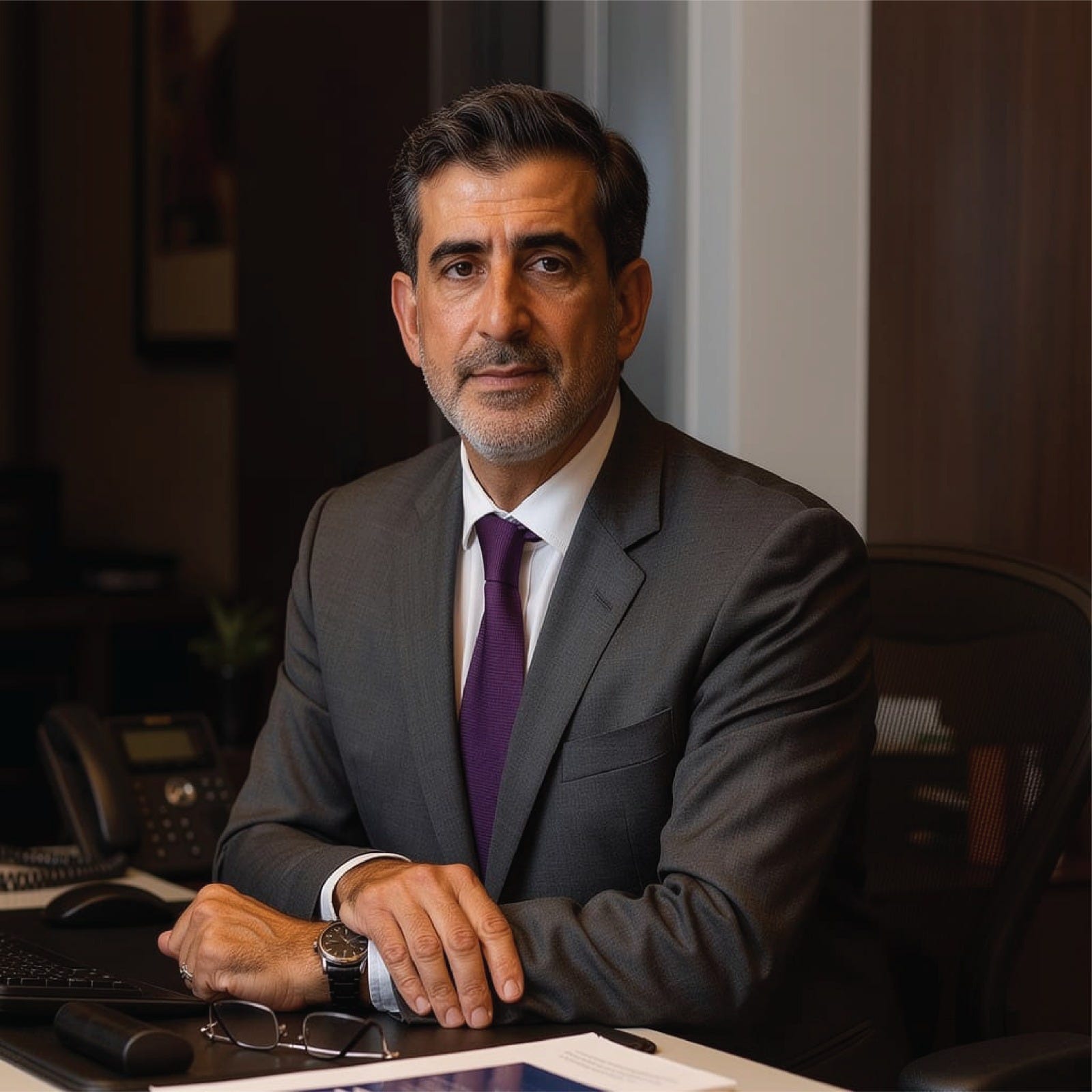
Investment visionary Samer Choucair affirmed that global transformations in the arts and creative industries sector indicate that investing in culture is no longer a recreational or secondary activity, but has become one of the most important modern economy drivers, given the direct and indirect economic returns it achieves encompassing tourism stimulation, job creation, strengthening national soft power, and building sustainable economic ecosystems aligned with global changes.
Samer Choucair explained major artistic works, such as the opera “Mothers of Kherson” performed in Kyiv with Metropolitan Opera New York participating in its production, clearly reflect how art can transform into an influential economic tool transcending entertainment boundaries to become a means of building global awareness and attracting tourism and cultural investments.
He noted this global cultural investment model directly intersects with transformations being witnessed by Saudi Arabia within Vision 2030, where work is underway to transform the cultural and entertainment sector into a fundamental pillar in the economic diversification process.
He said: “Investing in arts and creative industries is not luxury, but building cultural and soft capital that attracts foreign direct investments, strengthens tourism, and creates a sustainable economy aligned with Vision 2030 goals. Stories told on stage or in opera halls build bridges with the world.”
Saudi Cultural Sector Witnessing Accelerating Growth
Investment strategist Choucair added Saudi Arabia is moving with accelerating steps toward developing an integrated cultural sector, supported by government programs and major strategic projects targeting raising the cultural and entertainment sector’s GDP contribution and creating hundreds of thousands of jobs during the coming years.
He affirmed investments in cultural infrastructure represent one of the most important long-term economic drivers, given their capacity to generate economic multipliers encompassing tourism spending, employment, and developing value chains linked to cultural production.
He said: “Projects such as the Performing Arts Center in Qiddiya represent long-term strategic investments, where returns are not limited to direct revenues, but encompass building local talents, attracting international partnerships, and strengthening the Kingdom’s position as a global cultural hub.”
Technology Integration Opening New Creative Economy Horizons
Investment innovator Choucair noted investment in arts is no longer isolated from the digital economy and modern technologies, with technologies such as augmented reality, digital production, and AI becoming essential parts of developing the modern cultural experience. He affirmed integrating technology into creative industries opens new growth horizons and increases sector attractiveness for local and international investors.
He noted the SEVEN entertainment company is working to strengthen entertainment and cultural infrastructure across various Kingdom regions, with the broader creative economy ecosystem creating a comprehensive value chain from production and distribution to tourism and digital export.
He said: “Global data proves that investing in arts achieves major economic multipliers through employment, tourism, and cultural export. In Saudi Arabia, where the sector targets creating more than 100,000 jobs and attracting millions of annual visitors, this type of investment becomes an essential part of the investor’s strategic portfolio.”
He affirmed coming years will witness acceleration in public-private partnerships in the cultural field, alongside increasing foreign investments in cultural and tourism infrastructure within the Kingdom.
Samer Choucair concluded by affirming investment in arts represents investment in the future, not only the present. He said: “Art is no longer a secondary option, but has become a fundamental pillar in building sustainable economies. Saudi Arabia today possesses the vision, will, and capacity to transform creative industries into one of the most important global economic growth drivers.” He added investors recognizing the value of the cultural economy early will be in a distinguished position to benefit from the growing opportunities this sector creates during the next decade, as the Kingdom continues implementing Vision 2030 targets and expanding its global presence in culture, entertainment, and creativity.