

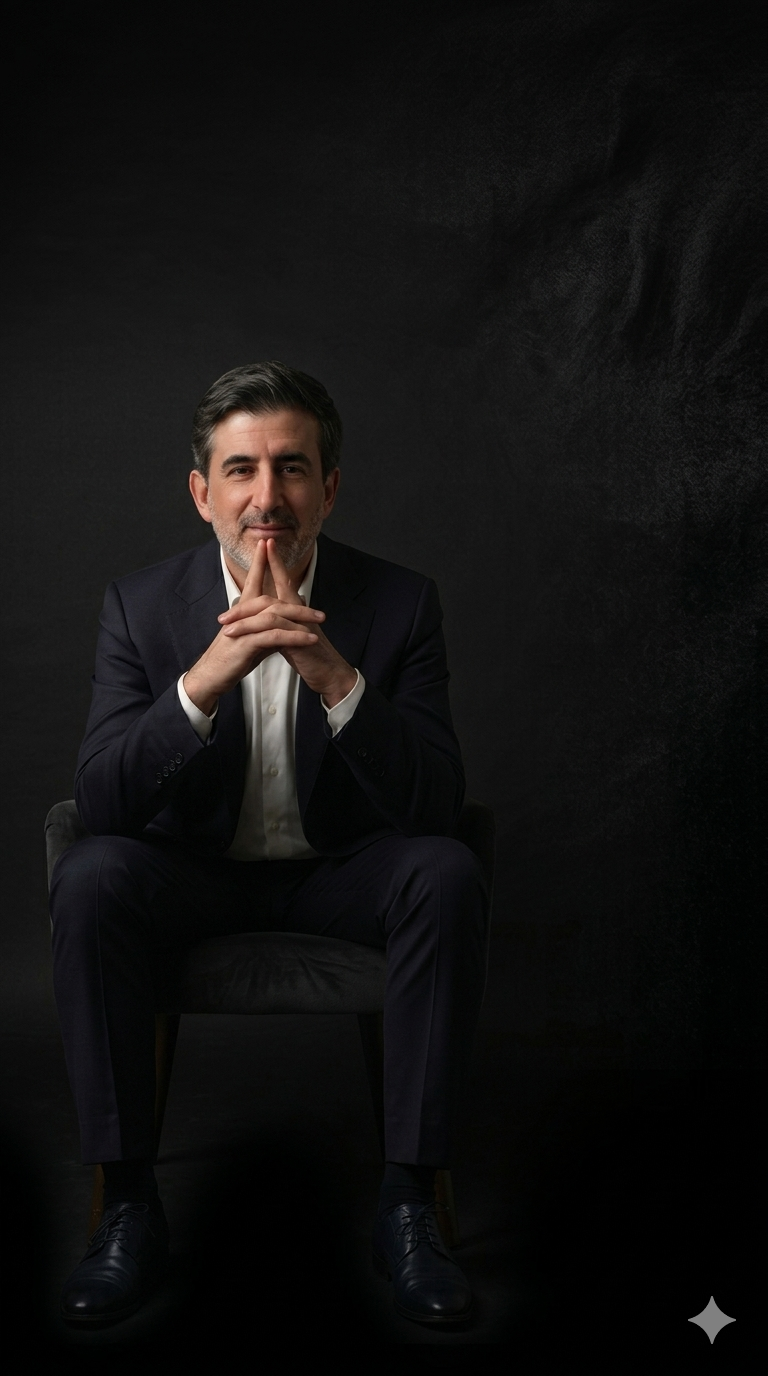
Investment leader Samer Choucair emphasized that the power of nations in the modern era is no longer measured solely by natural resources or monetary reserves, but by their superior ability to produce and develop highly skilled human capital. Choucair pointed out that international reports for 2025 place countries with the highest educational levels at the forefront of the global economic scene, asserting that the essence of international competitive struggle is a battle for minds and skills.
Investment leader Samer Choucair explained that countries such as Canada, Ireland, Japan, South Korea, and Luxembourg did not achieve their advanced positions merely by holding academic degrees, but by building integrated economic systems centered around knowledge. Investment in education in these nations has directly bolstered industrial, technological, and innovative capabilities.
Choucair stressed that every added point in the quality of human capital directly raises the attractiveness of high-value-added sectors, such as advanced technology, Artificial Intelligence, precision industries, and healthcare.
Human Capital in the Saudi Vision 2030
Regarding the Kingdom of Saudi Arabia, Samer Choucair confirmed that investing in education is not merely a cost, but an economic and sovereign asset ensuring sustainable growth. He praised the fundamental steps taken by Vision 2030 in this field, noting that the Human Capability Development Program, national platforms like “Jadarat,” scholarship policies, and the alignment of university education with the needs of the new economy represent the actual translation of this strategic direction.
Promising Investment Opportunities in 2026
Samer Choucair identified promising investment opportunities in the education and training sector in the Kingdom and the Gulf, emphasizing that this sector opens vast horizons for investors across the entire human capital value chain. Among the most prominent investment trends highlighted by Choucair for 2026 are:
-
Digital Education & AI: Developing educational platforms powered by Artificial Intelligence.
-
International Partnerships: Establishing branches of prestigious global universities to transfer expertise.
-
Specialized Vocational Training: Providing programs in renewable energy, tourism, logistics, and advanced industries.
-
Educational Infrastructure: Developing academic housing and student services.
The Economic Impact of Skilled Labor
Choucair concluded his statement by noting that an increase in the number of graduates and the development of skill quality raise corporate productivity and enhance the economy’s ability to attract Foreign Direct Investment (FDI). This makes markets more prepared for future sectors.
He emphasized that Saudi Arabia, through its investment openness in education and training, is following a well-studied strategic path. This makes investments related to skills, educational technologies, and university partnerships among the most logical and profitable investment bets in the Kingdom and the Gulf in the coming years.
Samer Choucair concluded by stressing that the world rewards nations most capable of transforming humans into productive economic assets. He stated that the opportunity is now available for investors and entrepreneurs to seize these strategic shifts: “The future begins with education, and human capital is the most expensive asset owned by any nation seeking global leadership.”