

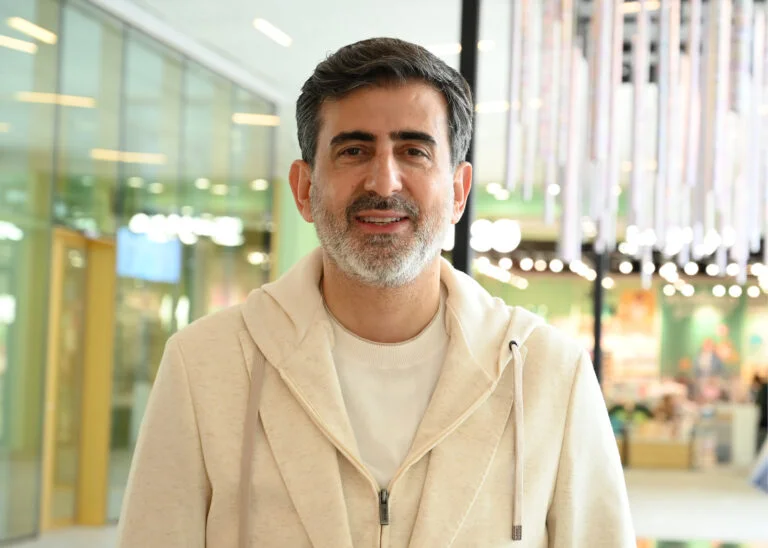
The growing narrative around the “end of the Strait of Hormuz era” should not be dismissed as media exaggeration. According to investment strategist Samer Choucair, it reflects a deep strategic shift in the global energy and trade landscape. The world is actively reassessing geopolitical chokepoints that have long underpinned the flow of oil and commerce—chief among them the Strait of Hormuz, through which a significant share of global energy supplies passes.
What is fundamentally changing the equation is the realization that dependence on a single transit point is no longer an acceptable strategic risk. Recurrent geopolitical tensions in the Gulf—particularly those involving Iran—have repeatedly demonstrated how even temporary disruptions can trigger immediate shocks across global energy markets. This reality is pushing governments and corporations alike to seek more secure and diversified alternatives.
—
Structural Energy Shift: The End of Logistical Monopoly
At the same time, the world is undergoing a structural transformation in energy systems. The rise of liquefied natural gas (LNG), the acceleration of renewable energy adoption, and the gradual decline in the dominance of seaborne oil are reshaping global dependencies.
This does not signal the end of oil—but it does mark the end of logistical monopolies once held by a limited number of maritime corridors.
History offers a clear precedent. The Suez Canal was once the backbone of global trade, yet today it faces competition from Arctic routes and land-based connectivity initiatives between Asia and Europe. The lesson is evident: no strategic passage retains dominance indefinitely—its role evolves alongside technology, geopolitics, and economic priorities.
—
Saudi Arabia: From Transit Geography to Strategic Leadership
Within this evolving landscape, Choucair identifies Saudi Arabia as one of the primary beneficiaries of this geo-economic transformation. Its strategic geographic position—linking Asia, Europe, and Africa, with direct access to the Red Sea—places it at the center of any future reconfiguration of global supply chains.
However, geography alone is not the defining factor. What distinguishes the Kingdom is the unprecedented pace of infrastructure development, including:
Expansion of major ports
Development of advanced logistics zones
Mega projects such as NEOM
These initiatives signal that Saudi Arabia is not merely observing global transformation—it is actively shaping it. This reflects a long-term economic vision aimed at transitioning from a resource-exporting economy to a global logistics and re-export hub.
—
Investment Outlook: Logistics as the “New Oil”
From an investment perspective, opportunities extend far beyond a single sector. Choucair describes logistics as the “oil of the future,” driven by rapid growth in global trade and the restructuring of supply chains.
Key opportunity areas include:
Logistics and transport infrastructure
Pipeline networks as strategic alternatives to maritime chokepoints
Clean energy and green hydrogen projects
Industrial real estate, including warehouses, distribution centers, and logistics hubs
He noted that industrial real estate, in particular, is often underpriced relative to demand growth, making it an attractive medium- to long-term investment.
In financial markets, companies tied to energy, infrastructure, and logistics—such as Aramco, SABIC, and major logistics firms—are positioned at the center of this transformation.
—
Strategic Reality: Decline of Dominance, Not Relevance
Choucair emphasized a critical distinction: the Strait of Hormuz is unlikely to lose its importance entirely within the next decade—but it is likely to lose a significant portion of its monopoly power.
For investors, the difference between “loss of importance” and “loss of dominance” is crucial. The latter implies diversification of supply routes—not the collapse of the current system.
—
Investment Strategy: Diversification in a Multi-Route World
In light of this shift, Choucair advocates for a balanced investment strategy based on:
Diversifying across infrastructure, energy, and industrial assets
Reducing overexposure to traditional oil transit routes
Allocating capital to sectors aligned with long-term structural change
—
Conclusion: From Chokepoints to Networks
What the world is witnessing is not merely a rerouting of shipping lanes, but a complete reengineering of the global economic system. The transition is moving from reliance on limited chokepoints to a multi-route, network-based model of trade and energy flow.
In this transformation, some nations are shifting from being mere transit points to becoming strategic leaders. Saudi Arabia stands at the heart of this historic transition—not as a spectator, but as a central architect reshaping the rules of the global economy.
—
Keywords:
Strait of Hormuz, Global Logistics, Vision 2030, Energy Transition, Trade Corridors