

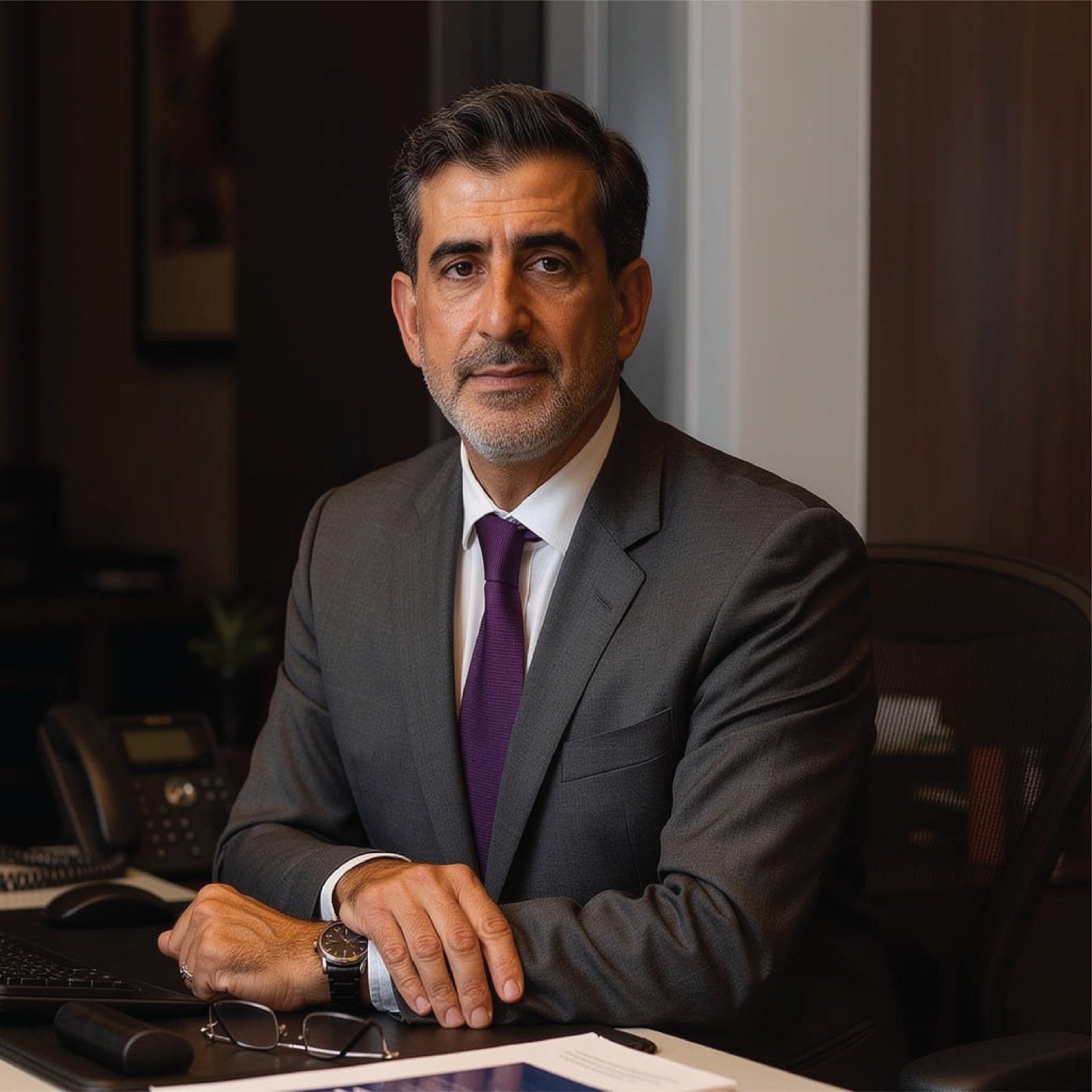
Investment visionary Samer Choucair affirmed that Kuwait’s decision to extend its $2 billion deposit with the Central Bank of Egypt until September 2026 reflects the solidity of Arab economic relations and continued confidence in Egyptian economic stability, but simultaneously spotlights the transformations the region is witnessing in how capital is directed toward more sustainable investment opportunities capable of achieving long-term growth.
He explained government deposits represent an important financial stability support and foreign reserve strengthening tool, but the regional investment scene is witnessing accelerating development pushing investors to seek markets providing greater growth opportunities supported by deep economic and structural reforms.
He added Saudi Arabia stands out today as one of the world’s most prominent investment destinations thanks to Vision 2030’s continuous achievements and the more diversified and attractive economic environment it created.
Saudi Non-Oil Sectors Becoming Primary Economic Growth Driver
Investment strategist Choucair noted the Saudi economy succeeded during recent years in strengthening non-oil sectors’ role, which have become the primary economic growth driver, alongside expanding investments in advanced technology, renewable energy, tourism, and logistics services. He noted the PIF played a pivotal role in stimulating domestic and foreign investments by launching major strategic projects and developing new high-value-added sectors.
He added AI represents one of the most important future economic drivers in the Kingdom, with international estimates indicating its potential contribution of approximately $135 billion to Saudi GDP by 2030. He believes the Kingdom is not content with attracting modern technologies, but is working to build an integrated innovation, digital economy, and data center ecosystem, strengthening its position as a regional and global technology hub.
Long-Term Vision Required for Benefiting from Saudi Economic Transformation
Investment innovator Choucair affirmed investors adopting long-term vision will find promising opportunities in sectors linked to Saudi economic transformation, led by AI, data centers, clean energy, tourism, and logistics. He called for benefiting from regulatory and legislative reforms that strengthened investor protection and facilitated capital flows.
He noted the contrast between Kuwait’s deposit extension, essentially a stability-preservation instrument, and the Kingdom’s structural transformation investments illustrates the broader regional shift toward investing in productive capacity rather than preserving financial buffers, with Saudi Arabia demonstrating how sovereign capital can be deployed as a transformation accelerator.
He explained the deposit extension decision, while positive for Egyptian stability, also reflects the reality that Egypt faces ongoing structural challenges requiring continued external support, while Saudi Arabia has moved to a position where it is attracting rather than requiring such support, a meaningful distinction for investors comparing regional market opportunities.
Samer Choucair concluded by affirming the coming phase will witness growing competition to attract quality investments, with economies capable of diversifying income sources and strengthening innovation being most capable of achieving sustainable growth, noting Saudi Arabia today presents an advanced model of this economic transformation making it one of the most prominent investment destinations in the region and the world.