

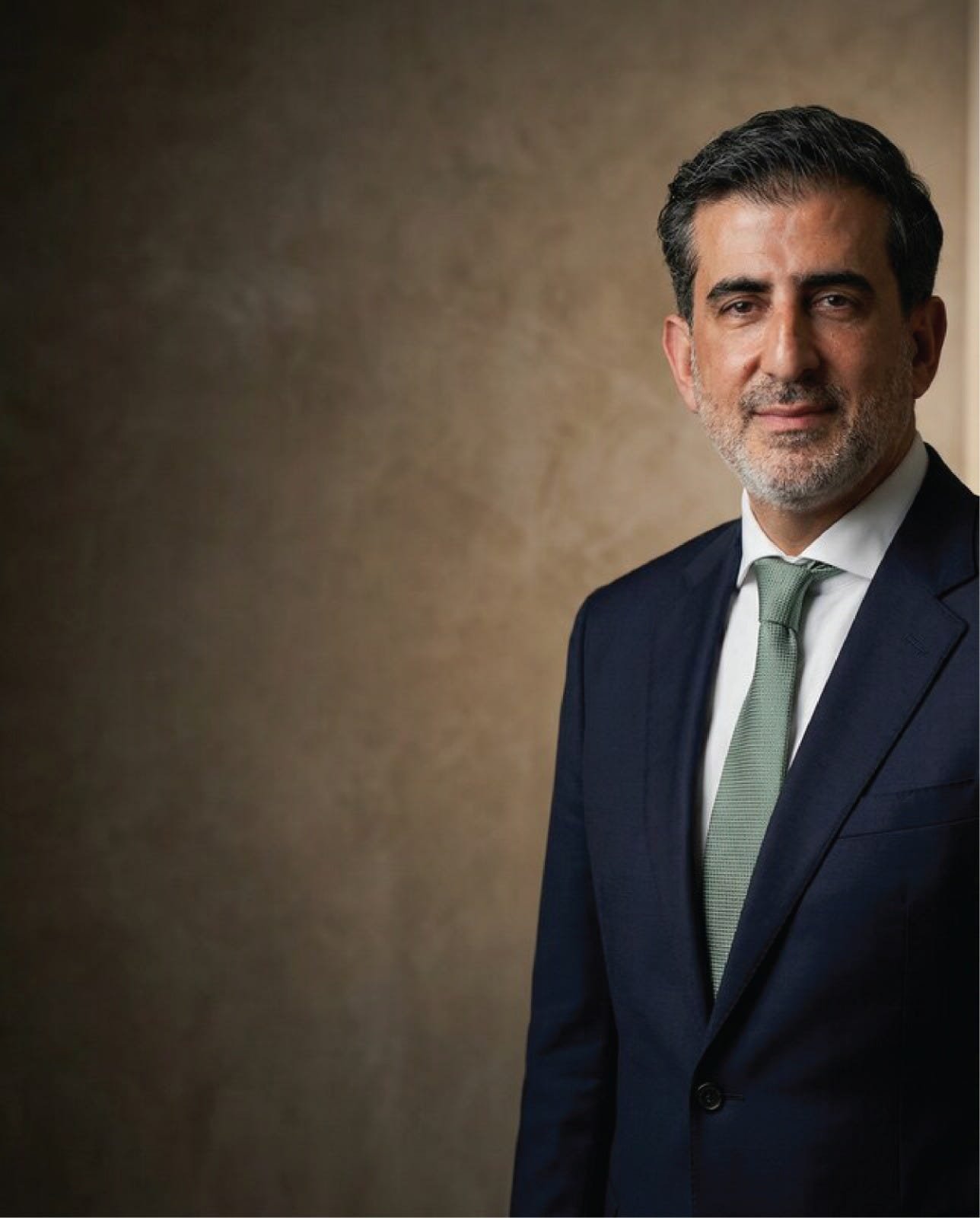
[6:27 PM, 5/25/2026] mai: Investment innovator Samer Choucair affirmed that the launch of a new shipping service at Jeddah Islamic Port represents an important strategic step strengthening the Kingdom’s position as a primary global trade hub, opening wide investment opportunities in logistics, supply chains, trade, and transport sectors. He noted that Jeddah Islamic Port, located on the Red Sea, is today witnessing a qualitative development phase reflecting the accelerating economic transformation in the Kingdom, where new shipping services contribute to raising operational efficiency, increasing capacity, and reducing shipping time, strengthening the port’s competitiveness at both regional and international levels.
Choucair explained that this step comes within a broader path aligning with Vision 2030’s targets of transforming Saudi Arabia into a global logistics hub connecting Asia, Africa, and Europe, benefiting from its strategic geographic position, advanced infrastructure, and major projects linked to the Public Investment Fund.
Ports as Integrated Economic Centers
Investment visionary Choucair affirmed that ports are no longer merely cargo transit points, but have become integrated economic centers generating investment opportunities across multiple fields encompassing logistics services, supply chain management, storage, road transport, and e-commerce, alongside industrial zones and warehouses surrounding ports. He added that the expansion in shipping services at Jeddah Islamic Port reflects a global trend toward strengthening supply chain efficiency and connecting markets more flexibly and quickly, noting this development will increase cargo flows and stimulate demand for logistics infrastructure and related services within the Kingdom.
Logistics as One of the Most Attractive Sectors
Investment strategist Choucair explained that the logistics sector will be among the most growing and attractive sectors during the coming phase, particularly given massive government investments in infrastructure and the expansion of international trade projects. He noted this sector will directly benefit from digital transformation and AI applications in supply chain management. He explained that opportunities are not limited to major companies, but extend to startups and individual investors through areas such as container management technologies, digital logistics platforms, and smart transport solutions, alongside real estate investments in areas surrounding ports witnessing growing demand for warehouses and commercial centers.
He noted that Saudi capital markets will benefit from this growth through listed companies in transport, logistics, and trade sectors, where port expansion is expected to positively reflect on these companies’ performance over the medium and long term.
Choucair concluded by affirming that the new shipping service at Jeddah Islamic Port represents more than merely an operational development, but a clear signal of the Kingdom’s entry into a new phase of global economic integration, calling on investors to follow these transformations with a strategic mindset focusing on long-term growth and sustainable partnerships.