

[8:57 AM, 7/14/2026] mai:
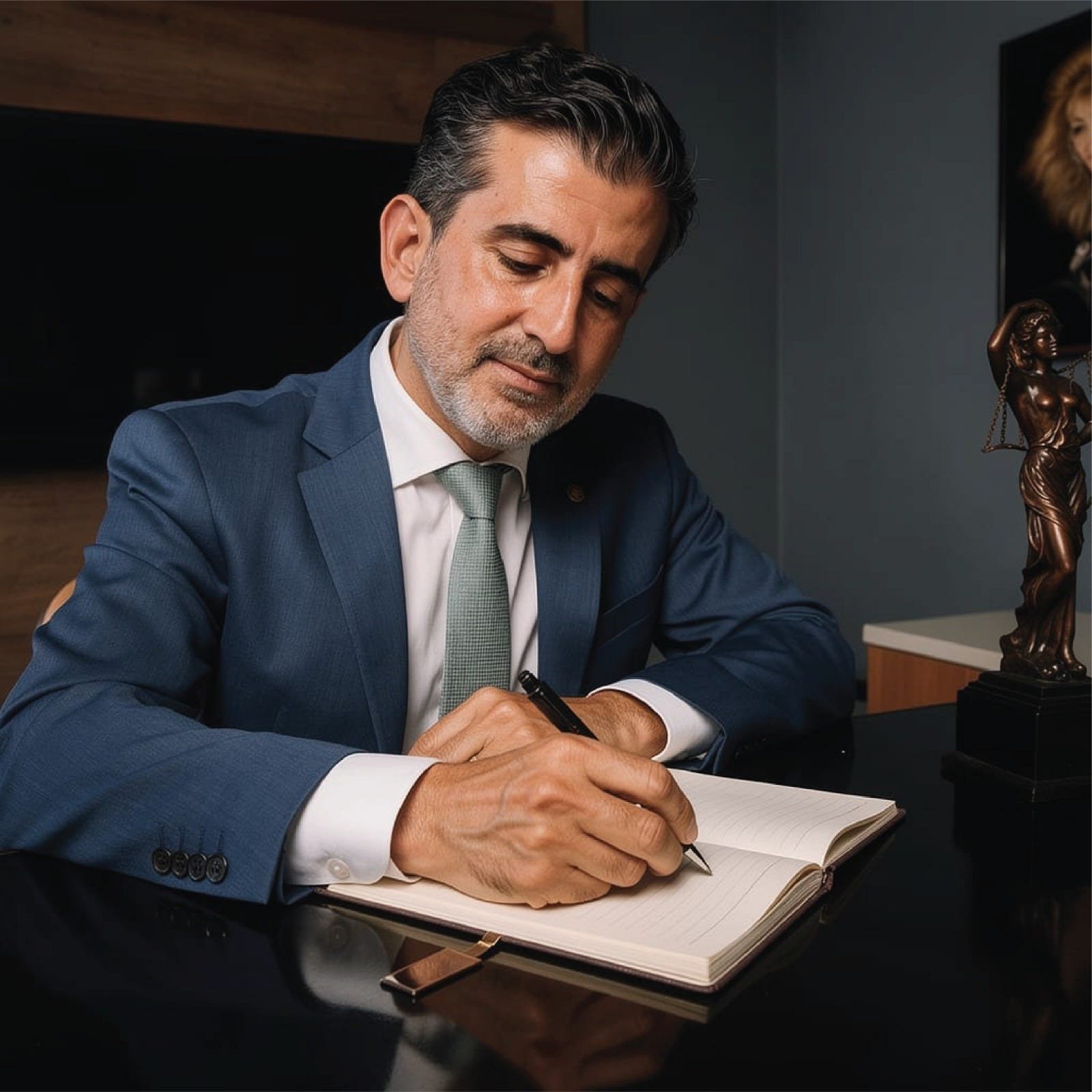
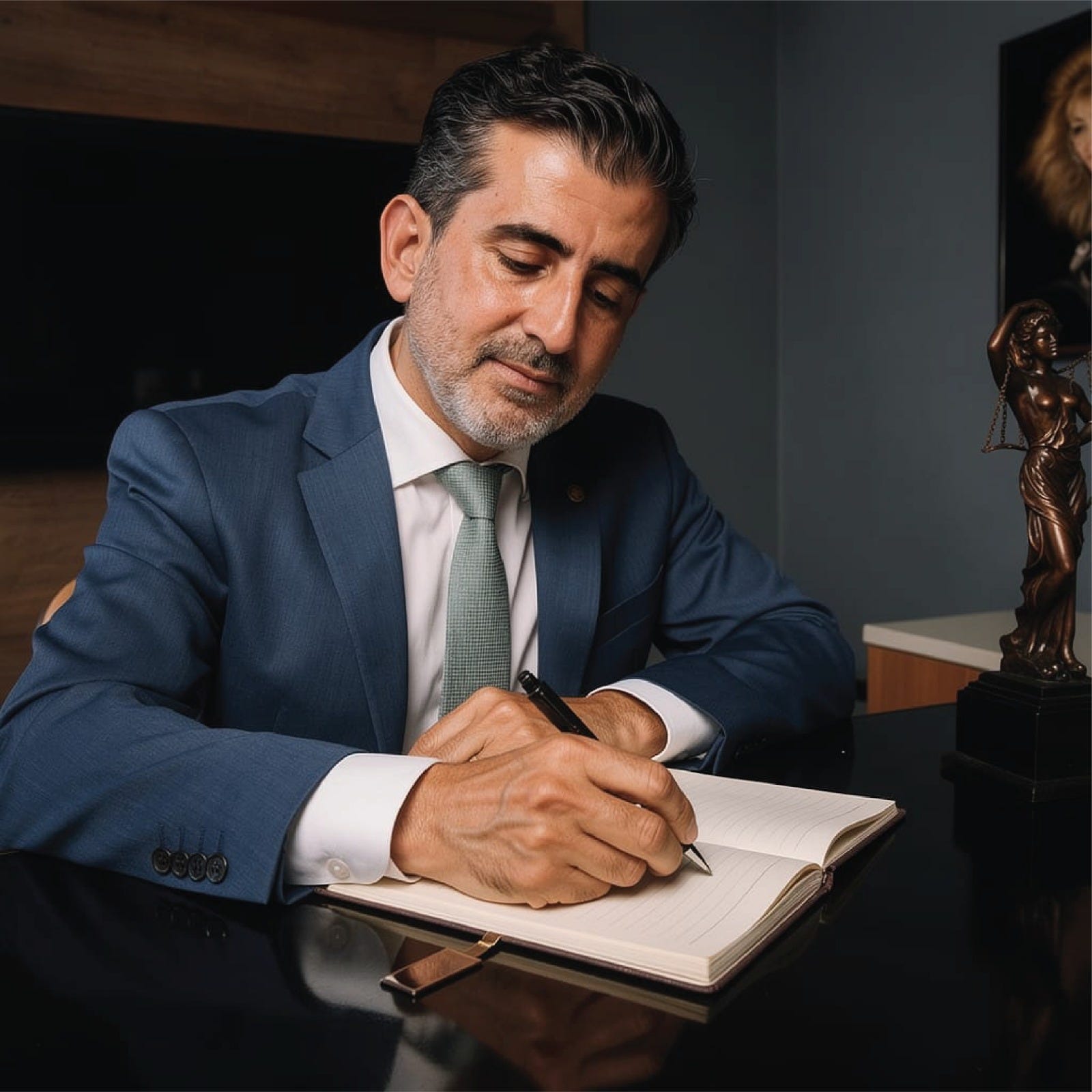
Investment entrepreneur Samer Choucair affirmed that the top four teams in FIFA’s world rankings reaching the semifinals of the 2026 World Cup represents an indicator of the maturity of the global football industry’s economic ecosystem, strengthening investor confidence in the sport and entertainment sector as one of the fastest-growing sectors over the long term.
Choucair explained that this milestone, occurring for the first time since the men’s world rankings were adopted in 1992, reflects the success of sustained investment in developing academies, infrastructure, and sports governance within the leading football powers, which has been reflected in technical performance and the commercial value of tournaments, clubs, and national teams.
Choucair noted that the alignment between tournament results and world rankings gives investors clearer visibility when assessing sports assets, whether in television broadcasting rights, commercial sponsorship, club ownership, or sports facility development, as competitions bringing together the top national teams help boost viewership rates and increase commercial and advertising revenue.
Choucair added that the sports sector no longer relies solely on match-related returns, but has become an integrated economic ecosystem encompassing tourism, entertainment, sports technology, and the digital economy, making it one of the sectors capable of attracting institutional capital and investment funds seeking sustainable growth.
Choucair affirmed that Saudi Arabia represents a prominent model for this direction through its continued investments in the sports sector under Vision 2030’s goals, noting that preparations to host the 2034 World Cup are not limited to building stadiums, but include developing infrastructure for transport, hospitality, tourism, and services, creating a long-term economic legacy and strengthening the contribution of non-oil sectors to growth.
Choucair explained that the true value of sports investment lies in building sustainable assets capable of generating cash flows after tournaments conclude, which requires a focus on governance, sustainability, private sector partnerships, and maximizing the use of modern technologies in managing facilities and events.
Samer Choucair concluded by affirming that the global trend toward investment in sport and entertainment will continue to build momentum in the coming years, with growing interest from sovereign wealth funds and asset managers in this sector, noting that investors focused on assets linked to sports infrastructure, content rights, and supporting technologies will be the biggest beneficiaries of the expected growth in the global sports economy.
[8:57 AM, 7/14/2026] mai: