

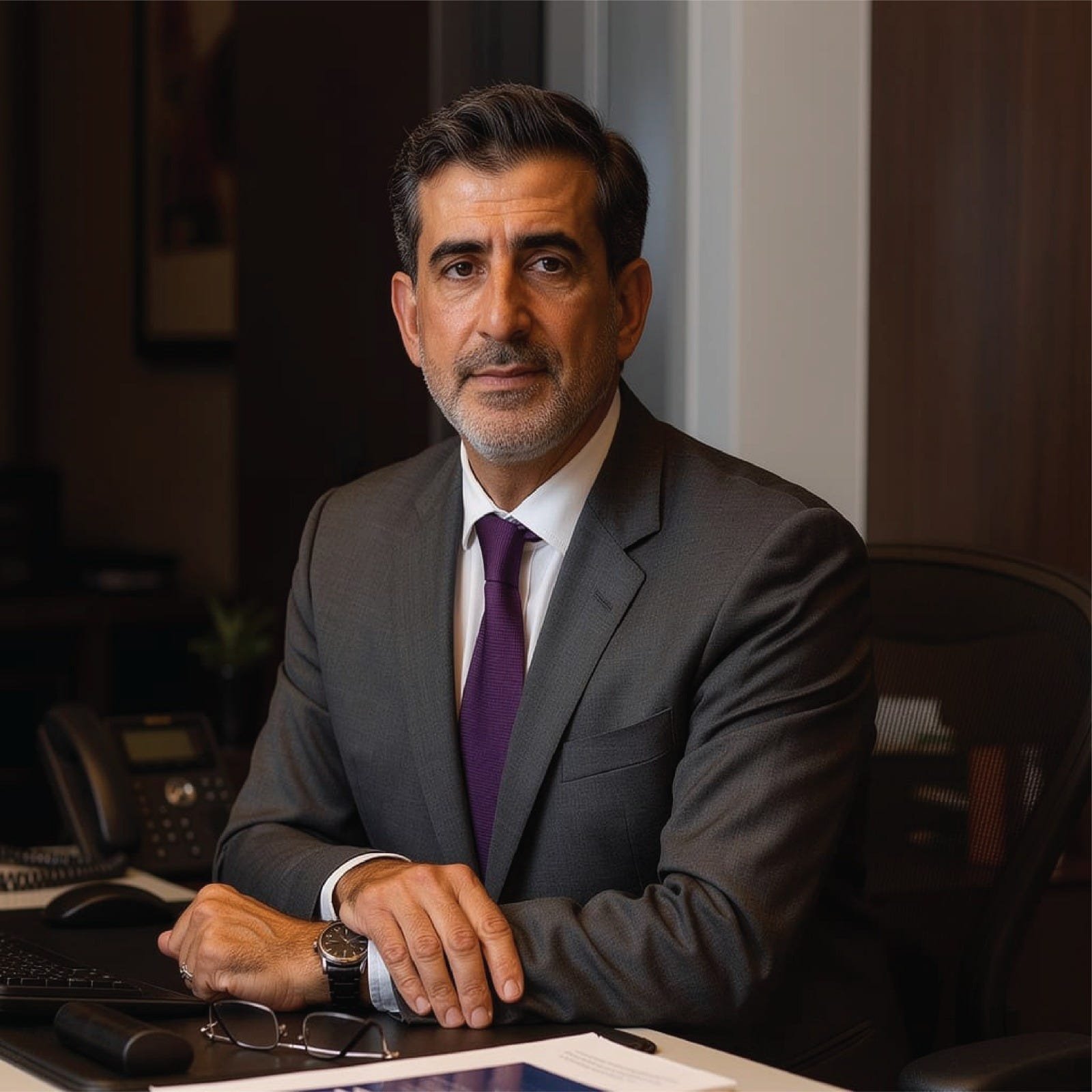
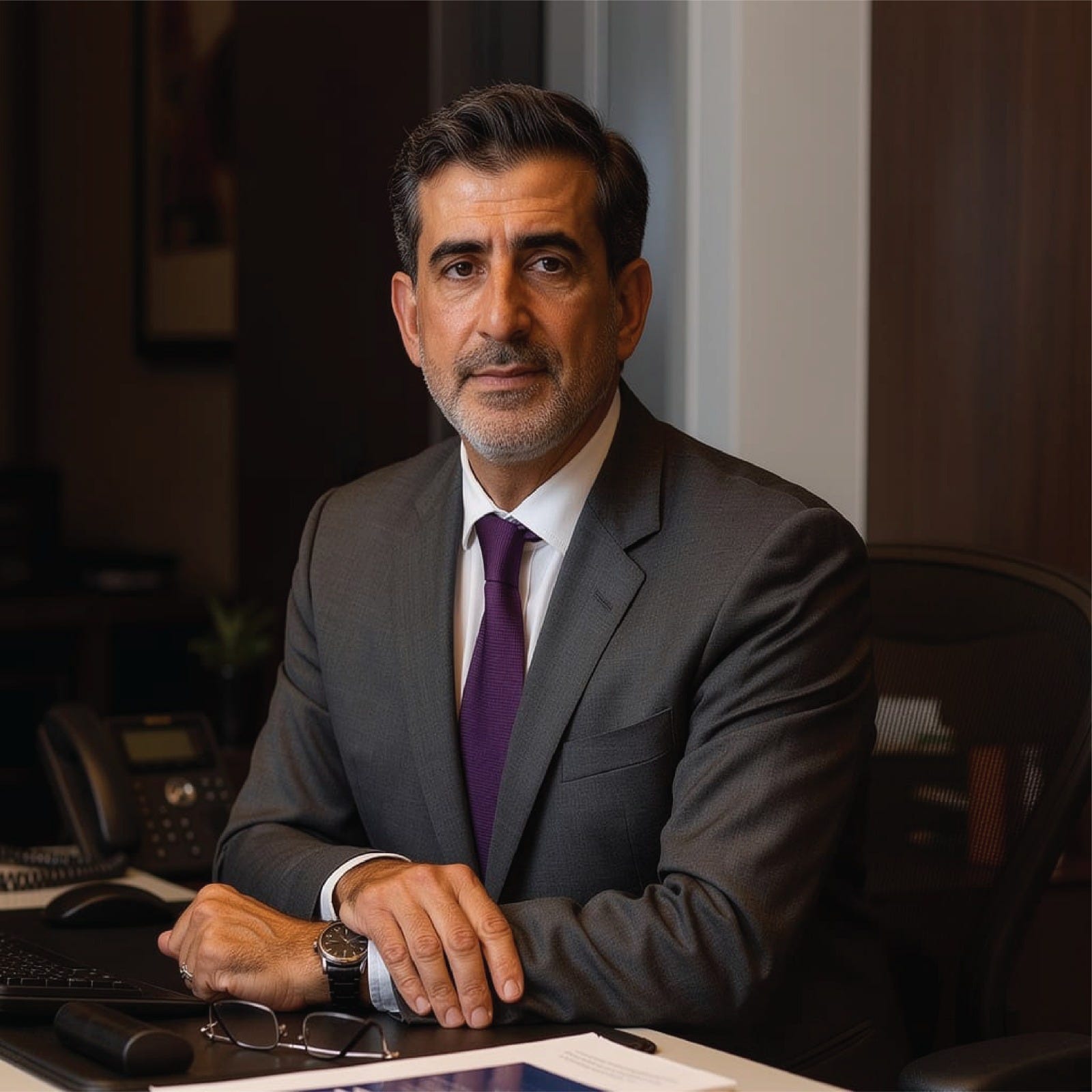
Investment entrepreneur Samer Choucair affirmed that the growing debate over the “pay-to-play” model in American soccer, following the U.S. national team’s disappointing performance at the 2026 World Cup, is once again drawing attention to the efficiency of capital allocation in the sports sector, revealing promising investment opportunities in talent-scouting systems and human capital development.
Choucair explained that heavy reliance on family-borne fees within a large part of the U.S. youth soccer system creates challenges for talent discovery, as costs start at several hundred dollars a year at recreational levels, while some elite programs and clubs can exceed $20,000 annually once training, travel, and camps are factored in, narrowing the pool of players able to reach professional levels.
Choucair noted that the United States, despite having a population exceeding 340 million and a massive sports market, still faces a challenge in converting this scale into a sustainable talent-production system, compared with European models that rely more heavily on professional academies funded by clubs and training-compensation mechanisms supported by FIFA.
Choucair added that growing interest in soccer in the United States, driven by rising broadcasting and sponsorship rights value and investment in Major League Soccer, makes reforming the player-development system an economic issue and not merely a sporting one, since improving talent quality will be reflected in the market value of clubs and the appeal of competitions to investors and media.
Choucair affirmed that the current phase opens the door to institutional investment in AI-driven sports technologies for performance analysis and talent scouting, alongside establishing lower-cost academies and more efficient regional training centers, generating long-term returns and strengthening the sector’s sustainability.
Choucair noted that Gulf experiences, chief among them Saudi Arabia under Vision 2030’s goals, offer an important model for sports investment built on developing infrastructure, governance, and talent, creating opportunities for international partnerships that help transfer expertise and expand investment in the global sports economy.
Samer Choucair concluded by affirming that investors focused on addressing structural imbalances in talent development will be best positioned to achieve sustainable economic value, explaining that investment in sports human capital has become one of the most important growth drivers in the global sports industry, and that the shift toward more inclusive and efficient models will redraw the investment map in this sector in the coming years.