

[4:50 PM, 7/15/2026] mai:
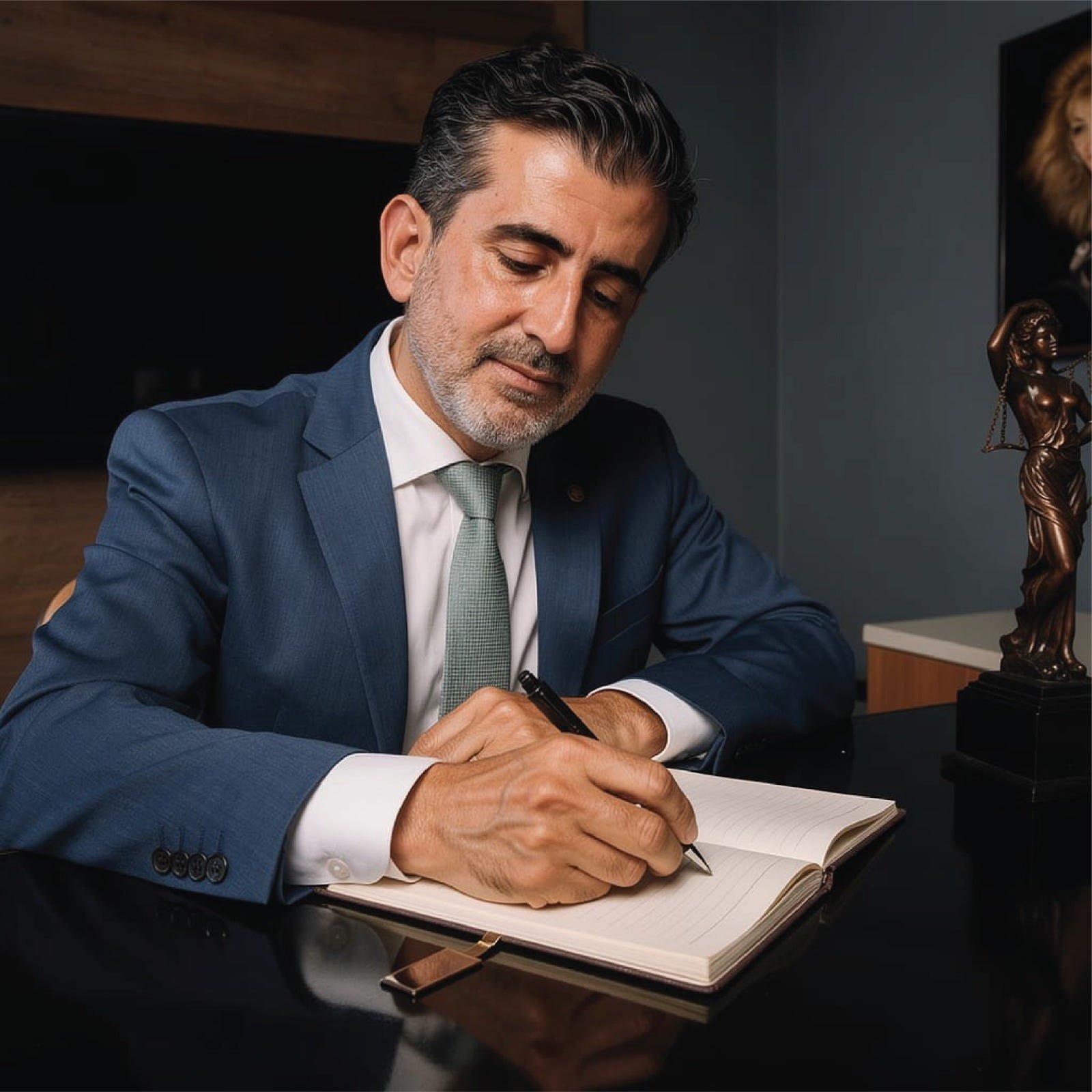
Investment entrepreneur Samer Choucair affirmed that the disparity in fuel costs between European and Gulf markets has become an influential factor in global capital allocation decisions, noting that industrial companies and institutional investors are reassessing production locations and supply chains based on which economies can offer a more competitive operating environment.
Choucair explained that rising energy costs in a number of European countries, resulting from a combination of high taxes, regulatory policies, and shifts linked to the transition to clean energy, are placing additional pressure on energy-intensive sectors such as heavy industry, chemicals, and transport, adding that these pressures could affect profit margins and some companies’ ability to compete in global markets.
By contrast, Gulf states enjoy a relative advantage in the energy sector due to their proximity to production sources and their advanced infrastructure, giving them greater capacity to attract industrial and logistics investment, particularly in sectors linked to advanced manufacturing, petrochemicals, and energy-related services.
Choucair noted that institutional investors and sovereign wealth funds are placing growing importance on the energy-cost factor when building investment portfolios, viewing it as one of the key determinants of long-term competitiveness, affirming that lower operating costs in some Gulf economies can support foreign direct investment flows, particularly amid continued economic diversification programs.
Choucair added that these shifts do not mean European markets are becoming less important, but are pushing global companies to adopt more flexible strategies based on distributing production across different regions to balance operational efficiency with sustainability.
Choucair explained that the coming period will see greater interest in investments combining energy efficiency with industrial technology, whether in Europe to reduce operating costs or in the Gulf to strengthen the added value of non-oil sectors.
Choucair affirmed that investors need to incorporate energy-cost indicators and regulatory stability into their risk-assessment models, noting that companies best able to manage supply chains and adapt to cost differences between regions will be best positioned to achieve sustainable growth.
Samer Choucair concluded by affirming that the energy transition and shifting global consumption patterns will continue reshaping the investment map, and that economies able to combine energy security with industrial innovation will enjoy a growing competitive advantage in the years ahead.
[4:50 PM, 7/15/2026] mai: