

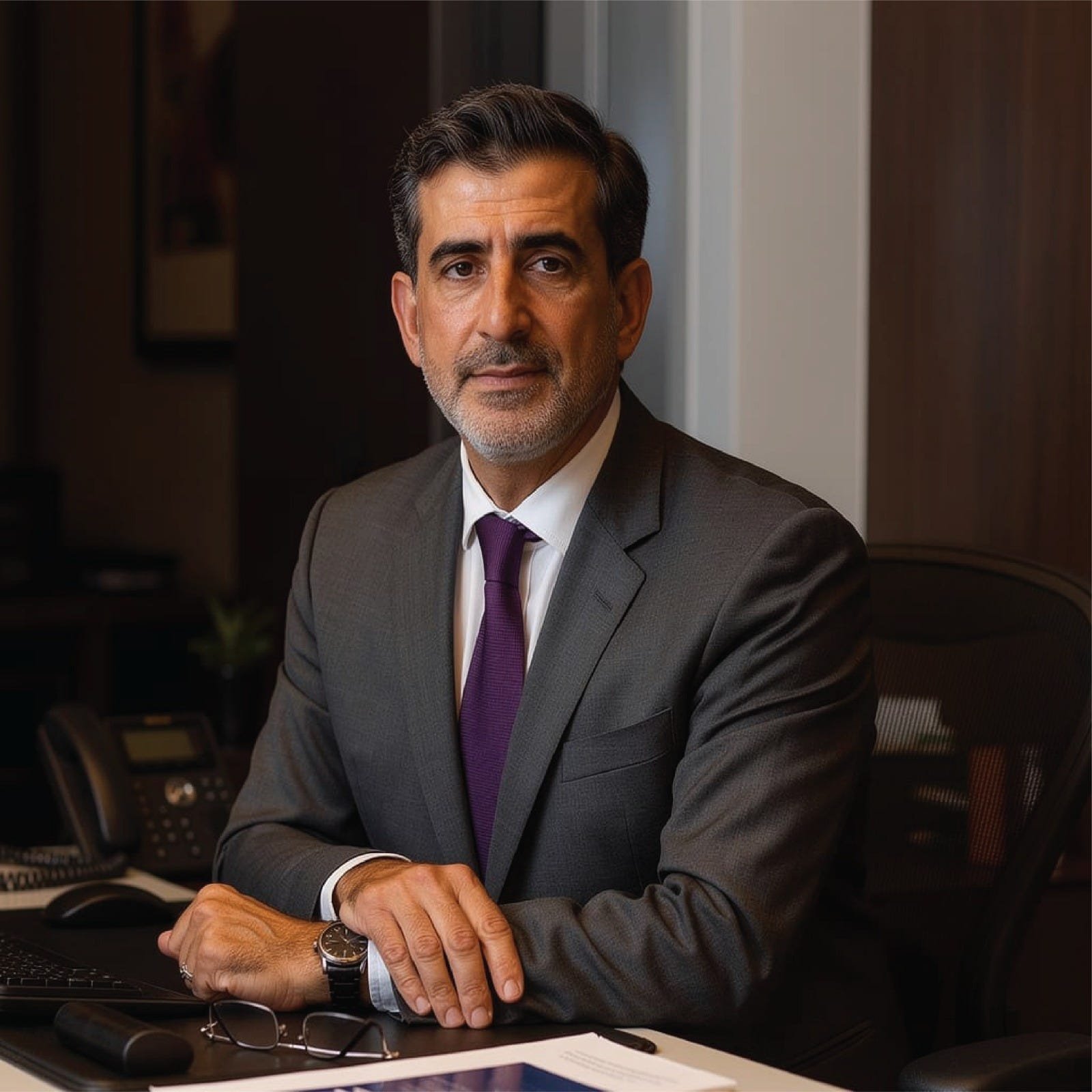
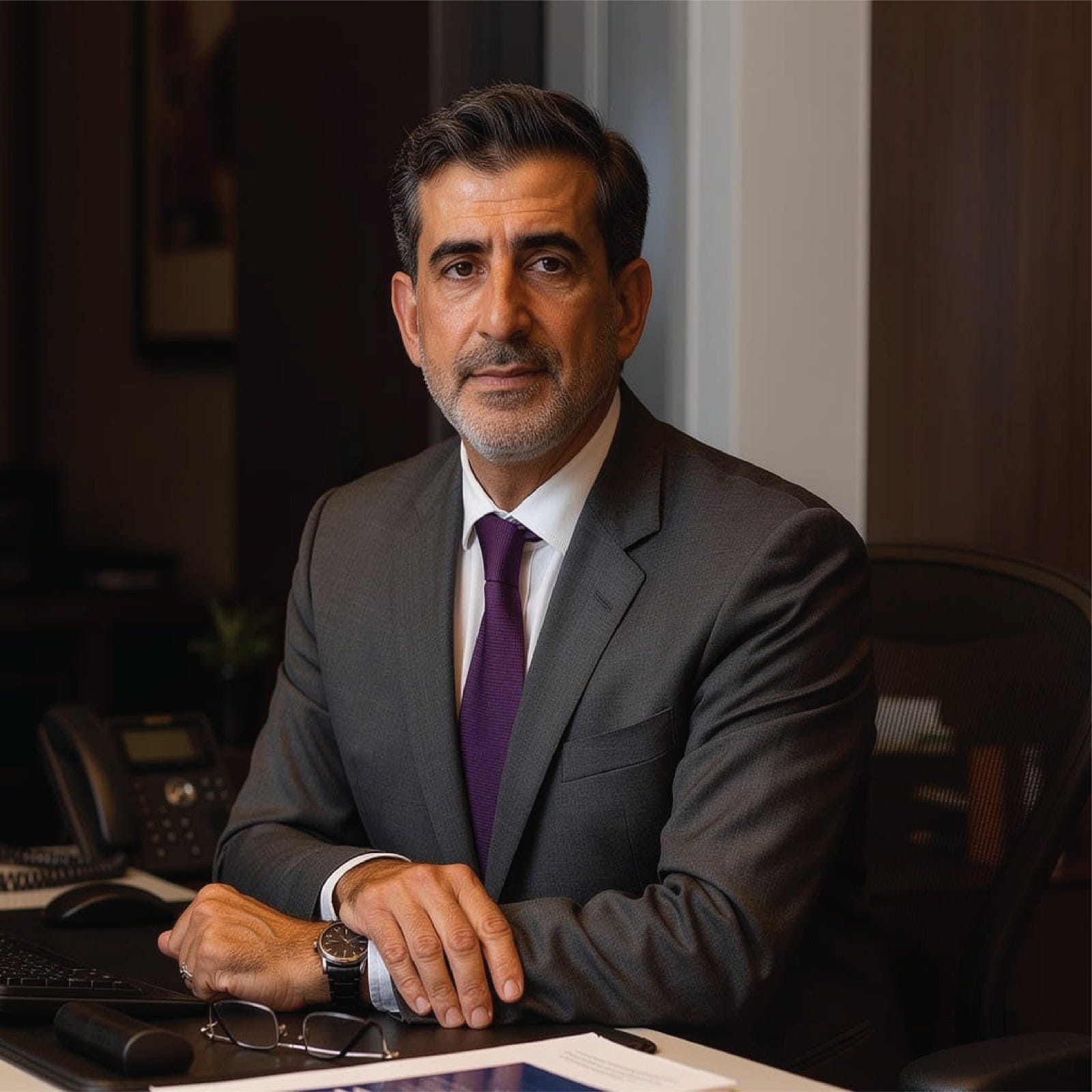
Investment entrepreneur Samer Choucair affirmed that assessing the economic feasibility of hosting major sporting tournaments requires looking beyond direct employment and short-term revenue figures, focusing instead on the sustainable economic value these events generate through infrastructure development, tourism activation, and strengthening sectors linked to sport and entertainment.
Choucair explained that the experiences tied to the 2026 World Cup in the United States offer an important model for institutional investors to study the potential gap between initial economic projections and actual results, noting that the impact of major events varies depending on local markets’ ability to convert temporary flows into long-term growth.
Choucair added that the hospitality, travel, and entertainment sectors typically benefit from increased demand during global tournaments, but the scale of that benefit depends on multiple factors, including operating costs, capacity, consumer behavior, and general economic conditions.
Choucair noted that investors have become more focused on measuring the quality of returns rather than just their size, as companies with operational flexibility and the ability to manage costs and capitalize on rising demand without taking on unsustainable investment burdens stand out.
Choucair affirmed that these lessons carry particular importance for countries preparing to host global sporting events, including Saudi Arabia with the 2034 World Cup, since economic success does not depend solely on hosting the tournament, but on building an integrated ecosystem encompassing tourism, transport, digital services, and local talent development.
Choucair explained that major sports investments should aim to create value that extends beyond the event period itself, through projects capable of supporting the local economy, attracting foreign investment, and strengthening the competitiveness of sectors linked to entertainment and tourism.
Choucair added that technology and data have become essential elements in managing modern events, whether in improving the fan experience, raising operational efficiency, or developing revenue models, offering new investment opportunities within the global sports economy.
Samer Choucair concluded by affirming that the most important lesson for investors is the need to base capital-allocation decisions on realistic models that test various scenarios, with a focus on sustainability, governance, and the ability to convert the temporary momentum of major events into long-term economic growth.