

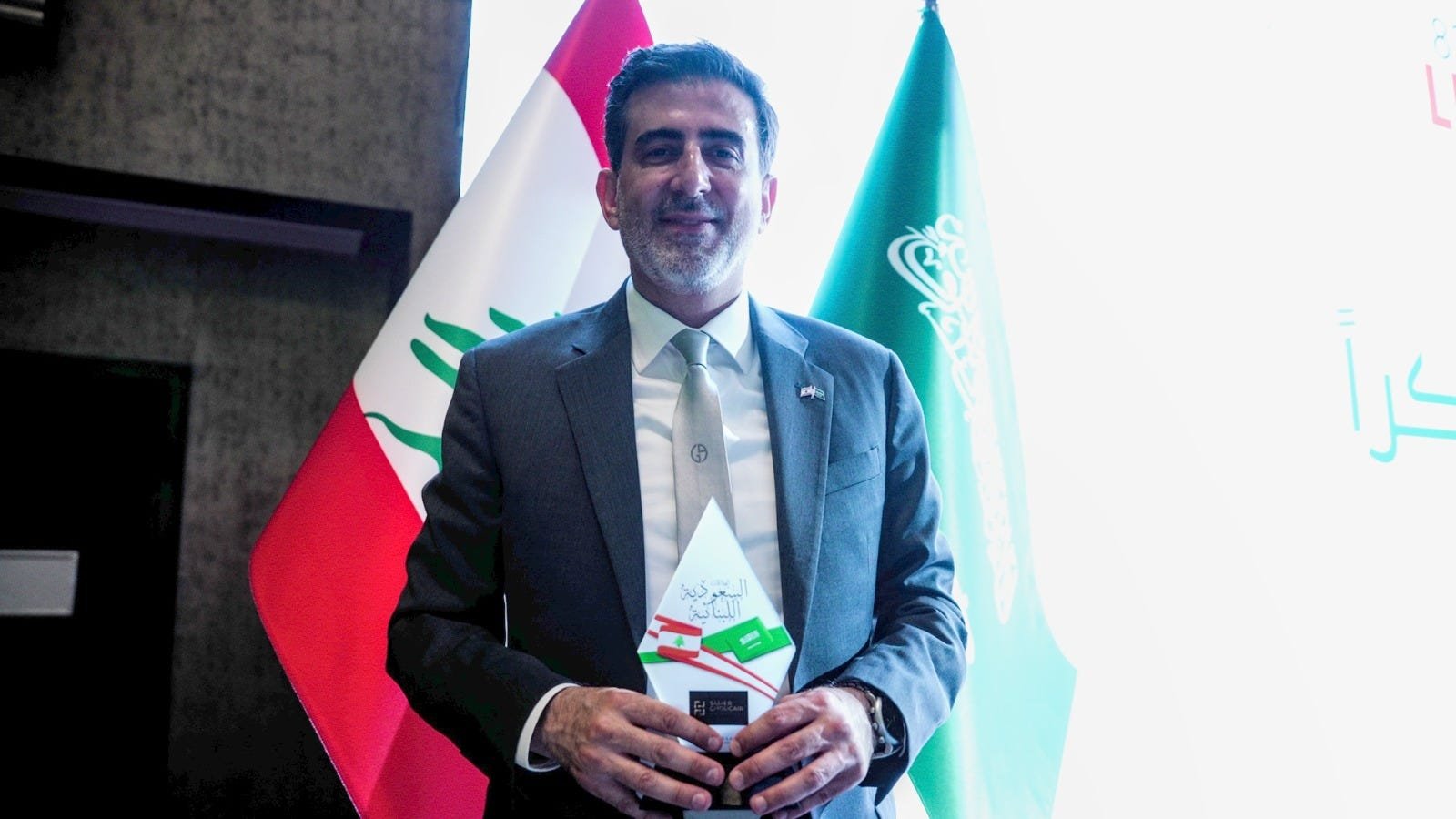
Investment visionary Samer Choucair affirmed that continued global private aircraft market growth despite geopolitical tensions and rising fuel costs reflects a structural shift in travel and investment patterns among high-net-worth individuals and global companies, noting Saudi Arabia possesses a unique strategic opportunity to benefit from this growth within Vision 2030 targets and ambitious economic diversification programs.
He explained current activity levels at European luxury airports, particularly in Mediterranean tourist regions, reflect growing private aviation sector activity, with WingX data showing global private aircraft flights rising 3.9% through mid-2026 compared to the same period of the previous year, while North America recorded 4.7% growth, confirming continued strong demand for private aviation services even amid rising fuel prices.
He said: “Growing demand for private flights is not merely a seasonal phenomenon linked to events such as Monaco or Cannes, but a long-term confidence indicator in economic and security stability. This represents a strategic opportunity for Saudi Arabia to develop its private aviation infrastructure as an essential part of Vision 2030, particularly with massive luxury tourism and entertainment investments.”
Global Private Commercial Aircraft Market at $50.6 Billion in 2026 Targeting $72.27 Billion by 2034
Investment strategist Choucair noted the global private commercial aircraft market is estimated at approximately $50.6 billion during 2026, with expectations of reaching $72.27 billion by 2034 at a 4.56% compound annual growth rate, while the private charter aircraft services sector witnesses faster growth with expectations of rising from $17.67 billion in 2026 to $25.79 billion by 2031 at a 7.86% compound annual growth rate.
He explained these indicators reflect what is economically known as the “wealth effect,” where high-net-worth individuals continue spending on high-value services even during economic volatility periods, given private aircraft’s unmatched flexibility, privacy, and time efficiency.
Saudi Arabia Targeting 7.8 Billion Riyals GDP Contribution and 35,000 Jobs by 2030
Investment innovator Choucair noted the General Authority of Civil Aviation’s general aviation roadmap represents an important strategic step, encompassing establishing six dedicated private aircraft airports, developing nine specialized private aviation terminals within commercial airports, and attracting global companies across the private aviation value chain.
He explained sector targets include raising GDP contribution to 7.8 billion riyals by 2030 alongside providing approximately 35,000 direct and indirect jobs. He noted PIF-led investments including Riyadh Air, AviLease, and modern airport development represent key sector growth acceleration factors.
He said: “PIF plays a pivotal role in creating an attractive environment. Saudi and international investors should consider partnerships with global FBO operators and developing maintenance and sustainable fuel services, as these areas will be the most profitable over the medium and long term.”
He identified investment opportunities extending beyond private aircraft operation to encompass fixed base operator services, maintenance and repair, catering, digital booking platforms, advanced technical solutions, and sustainable aviation fuel projects.
Samer Choucair concluded by saying: “The Kingdom possesses all foundations from new infrastructure to supportive policies to become a primary gateway for the global elite. Strategic investments today in private aviation will be among the most powerful future economy drivers for achieving Vision 2030 diversification and sustainable growth goals.” He affirmed private aircraft markets will remain among the most resilient sectors against economic and geopolitical volatility during coming years, supported by rising global wealth levels and changing individual and corporate travel priorities.