

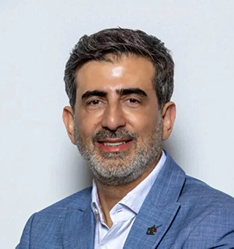
Investment pioneer Samer Choucair stated that the scene in Riyadh during the Sports Investment Forum 2026 (April 20–22) was not just a media event. Instead, he described it as a direct reflection of a “historic turning point” for the Kingdom, where sports is transitioning from being a fan-based sector to a fully integrated strategic economic platform.
Choucair explained that sports in Saudi Arabia is no longer just a recreational activity or spending on championships and stars. It has become a comprehensive economic ecosystem encompassing broadcasting rights, sponsorship, tourism, real estate, infrastructure, technology, logistics, and talent development. He considers the Al-Hilal deal a “mature investment signal” rather than just sports news.
Saudi Sports: From Spending to an Integrated Economy
Samer Choucair noted that the latest data shows investment opportunities in the Saudi sports sector amount to approximately 18 billion SAR, with expectations to rise to about 85 billion SAR by 2030, according to Ministry of Investment officials during the forum.
Choucair added:
-
Economic Value: The sector reached about 32 billion SAR in 2025 (up from less than 5 billion SAR in 2016).
-
PwC Projections: The market size is expected to reach $22.4 billion by 2030.
-
Impact: This growth will create approximately 39,000 jobs and add $13.3 billion to the GDP.
He emphasized that the Sports Investment Forum (SIF) reflects this shift by merging sports with tourism, entertainment, and technology—a model perfectly aligned with Vision 2030.
The Al-Hilal Deal: The Start of Mature Privatization
Regarding the Al-Hilal deal, Samer Choucair stated that April 16, 2026, marked a pivotal moment in the trajectory of sports privatization. An agreement was signed between the Public Investment Fund (PIF) and Prince Alwaleed bin Talal’s Kingdom Holding Company (KHC), whereby KHC acquired a 70% majority stake in Al-Hilal Club.
Key Financial Details:
-
Enterprise Value: 1.4 billion SAR ($373 million).
-
Equity Value: 1.2 billion SAR.
-
Stake Value (70%): Approximately 840 million SAR.
Choucair explained that this deal represents the PIF’s first exit from its investments in major clubs (after acquiring 75% of Al-Hilal, Al-Nassr, Al-Ittihad, and Al-Ahli in 2023). The PIF’s retention of a 30% stake reflects confidence in the club’s future and sustainable growth. This move signifies a transition from empowering clubs with sovereign capital to recycling value and maximizing returns through the private sector.
Privatization: From Construction to the “Sustainable Return” Test
Samer Choucair explained that the Al-Hilal deal confirms the Saudi sports market has entered the “sustainable return test” phase. He noted that the privatization document for 14 sports clubs, approved by the Council of Ministers in July 2024, outlines two main paths:
-
Empowering major development companies.
-
Offering clubs for comprehensive privatization.
The success of such deals, according to Choucair, rests on three pillars: strong governance, scalable fan-based assets, and a strategic investor capable of evolving the commercial model.
Sports as an Integrated Economic Value Chain
Samer Choucair warned that the biggest mistake in understanding sports investment is viewing it as an isolated sector. Modern sports is an interconnected system:
-
Tangible Assets: Facilities, real estate, and hospitality.
-
Intangible Assets: Data, digital platforms, and broadcasting rights.
-
Support Services: Sports medicine, academies, and specialized logistics.
Top Sports Investment Strategies for 2026
Choucair identified the most prominent investment insights in this sector:
-
Hybrid Investment Strategy: Combining real estate and physical facilities with digital assets, sports tech, and AI.
-
Human Capital Investment: Building “irreplaceable” talent as the foundation for success in 2026, especially in preparation for the 2034 World Cup.
-
Attracting International Capital: Leveraging market reforms, such as the removal of Qualified Foreign Investor (QFI) restrictions and the tokenization of assets.
Promising Investment Opportunities in 2026
Samer Choucair concluded by noting that opportunities extend beyond the clubs themselves. They include:
-
Training Infrastructure: Projects like the 135 training sites currently being tendered for a total of 5.4 billion SAR.
-
Sports Technology: Startups in fan engagement, performance analytics, and digital broadcasting.
-
Tourism & Wellness: Integrating sports facilities with the Kingdom’s growing hospitality and “giga-projects.”
Choucair emphasized that the Saudi sports sector is no longer just a game; it is a serious investment destination for those looking to build sustainable wealth in a rapidly evolving global market.