

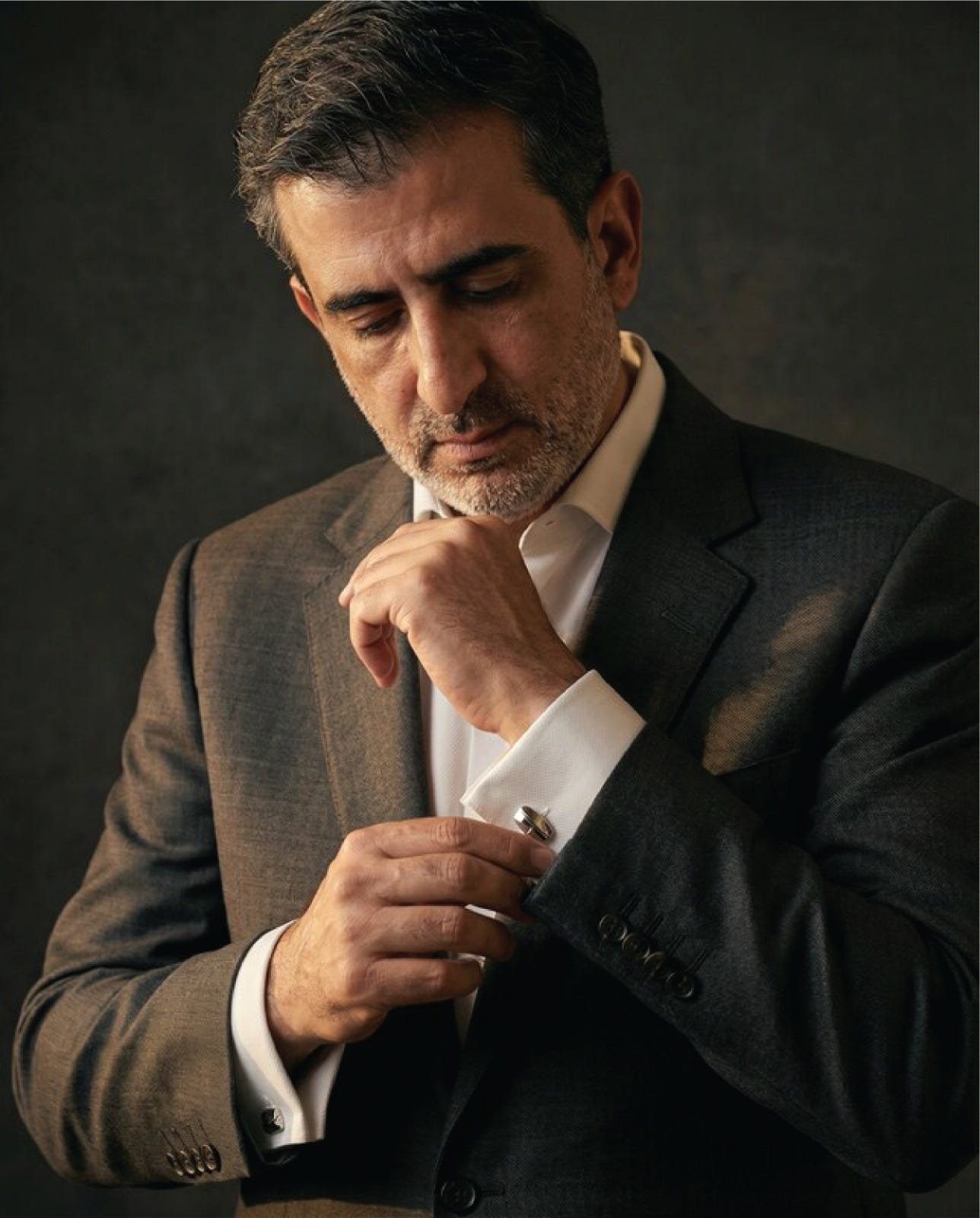
Investment pioneer Samer Choucair stated that Egypt’s upcoming step to issue Samurai bonds worth up to $500 million during May 2026 represents a remarkable shift in financing strategies for emerging markets and reflects a growing awareness of the importance of diversifying liquidity sources away from traditional reliance on the dollar.
The investment pioneer added that this trend, supported by guarantees from the African Development Bank, does not only open a new window for the Egyptian economy but also sends important signals to investors and banks in the Kingdom of Saudi Arabia and the Gulf countries regarding the latent opportunities in Asian partnerships.
Choucair explained that Samurai bonds, denominated in Japanese Yen and issued in the Japanese market, provide competitive advantages, foremost of which are lower financing costs and the attraction of an investor base seeking long-term stability. In a global environment characterized by high borrowing costs and market volatility, turning toward the Yen becomes a strategic choice that balances risks and enhances the flexibility of investment portfolios.
Choucair noted that the new issuance, which focuses on sustainable projects, also enhances the attractiveness of these instruments in light of the increasing global interest in green investment.
Choucair emphasized that this move reflects an important lesson: monetary diversification is no longer a complementary option but a necessity for risk management and achieving financial sustainability. Banks and investors in Saudi Arabia today have a real opportunity to benefit from Japanese liquidity, whether through investing in similar instruments or by developing financial products that provide access to these markets.
Choucair pointed out that Vision 2030 has strengthened the Kingdom’s position as a global investment hub and opened the door for qualitative partnerships with Asian economies, led by Japan, which represents not only a source of financing but also a strategic partner in the fields of technology, renewable energy, and smart infrastructure. From this standpoint, Saudi banks can play a pivotal role as a link between Asian capital and local investment opportunities, whether by facilitating client investments or studying the possibility of issuing debt instruments in Asian currencies in the future.
Samer Choucair clarified that the focus on sustainable bonds aligns directly with the Kingdom’s trends in supporting the green economy, which allows for obtaining financing on better terms and enhances the attractiveness of projects to international investors. In this context, including currencies such as the Yen within investment strategies contributes to achieving greater balance and reducing exposure to the fluctuations of major currencies.
Choucair noted that the current stage requires financial institutions and investors in the Gulf to re-evaluate their strategies and seriously consider the opportunities offered by Asian markets. The Egyptian experience provides a practical model that can be built upon, especially in light of the increasing economic convergence between the Gulf and Asia.
Choucair concluded his statement by emphasizing that real opportunities appear to those who prepare for them early, and building financial and investment bridges with Asia today is what will determine the ability of institutions to compete and achieve growth in the future, in line with the ambitions of Vision 2030.