
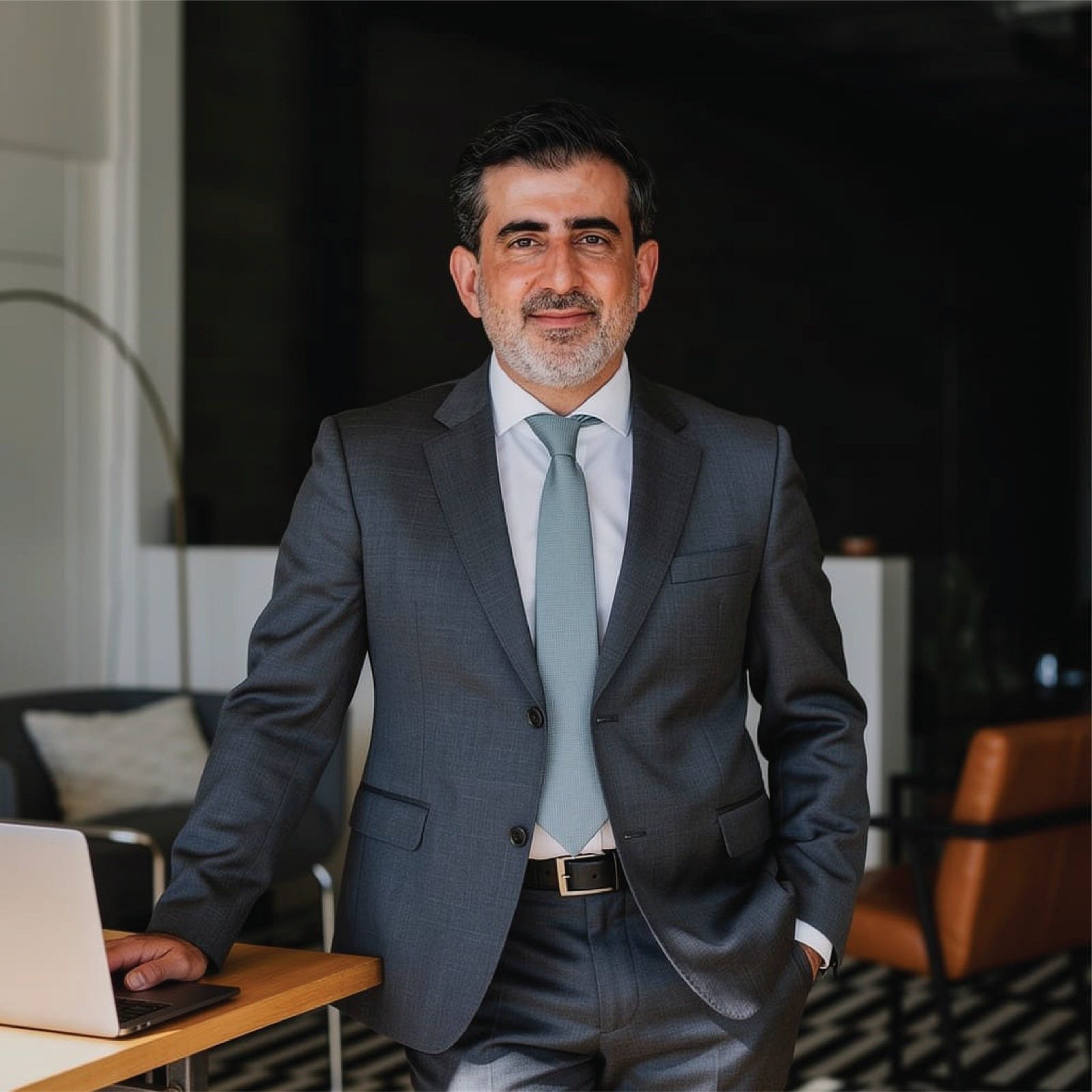
Investment entrepreneur Samer Choucair affirmed the camel milk sector in Saudi Arabia represents one of the most promising sectors for achieving sustainable growth during coming years, given the accelerating global trend toward healthy and sustainable food products, and the support the sector receives within Vision 2030 targets aiming to strengthen food security and diversify national income sources.
He explained global food market transformations open exceptional opportunities for the Kingdom to benefit from its competitive advantage in the camel sector, particularly given its possession of one of the world’s largest herds, alongside accumulated expertise and supporting institutional structure for developing this industry and transforming it into an integrated economic sector with high added value.
He said: “The camel milk sector represents a strategic opportunity combining food security, economic diversification, and sustainability. The Kingdom possesses natural and economic foundations qualifying it to become a regional and global hub for producing and exporting high-quality camel milk products.”
Investment strategist Choucair noted global demand for alternative and healthy food products witnesses accelerating growth, strengthening camel milk product production and marketing expansion opportunities in local and global markets, particularly given growing consumer interest in natural products with high nutritional value.
He added: “Global markets have become more interested in products combining health benefits and environmental sustainability. Camel milk enjoys unique characteristics making it capable of global competition, particularly in markets seeking advanced and high-quality food alternatives.”
Investment innovator Choucair affirmed the Kingdom possesses a unique competitive advantage thanks to the natural environment suitable for camel breeding, alongside cultural heritage linked to this sector, granting Saudi products greater capacity to build a distinctive commercial identity in international markets, saying: “What distinguishes this sector is combining authenticity and innovation. Camels are part of the Kingdom’s cultural identity, and simultaneously represent a foundation for a modern industry capable of achieving major economic value and supporting sustainable development targets.”
He noted efforts led by relevant entities to develop the sector, including investments in modern farms, advanced technologies, and supply chains, contribute to raising production efficiency, improving product quality, and strengthening Saudi industry global competitiveness.
He added: “Investing in modern technologies will be a decisive factor in the sector’s success during the coming phase. Transitioning toward smart farms, using digital management systems, and improving breeds and productivity are all elements contributing to strengthening profitability and growth sustainability.”
Investment entrepreneur Choucair affirmed launching specialized initiatives to develop camel products reflects growing recognition of this sector’s importance within the national food security ecosystem, noting these initiatives open the door to wide public-private sector partnerships, saying: “The current phase provides diverse investment opportunities extending across the entire value chain, from breeding and production, through manufacturing, packaging, and filling, to export and global brand development.”
He explained high-value-added products represent one of the most important future growth drivers, noting expanding production of dried milk, nutritional supplements, personal care products, and camel milk-derived preparations can create new income sources and strengthen investment returns.
He added: “The future isn’t limited to selling raw milk alone, but to developing an integrated industrial ecosystem presenting innovative products meeting global market needs and achieving higher profit margins for investors.”
Investment strategist Choucair stressed the importance of export market expansion and benefiting from the Kingdom’s growing economic relations with Asian and European markets, affirming building strong Saudi brands will be one of the next phase’s success keys, saying: “International markets seek quality, reliability, and distinctive identity. Building a global Saudi brand in the camel milk sector will strengthen the Kingdom’s presence in specialty food and open wide growth and expansion horizons.”
Samer Choucair concluded by saying: “The opportunity is available today for investors to participate in building a strategic sector combining economic return and developmental impact. Investing in camel milk isn’t merely investing in a food product, but investment in the future of food security and sustainable economy for the Kingdom,” affirming continued sector development according to Vision 2030 targets will strengthen Saudi Arabia’s position as a global force in specialty food industries, contributing to creating new investment and employment opportunities supporting economic growth and achieving long-term added value for coming generations.