

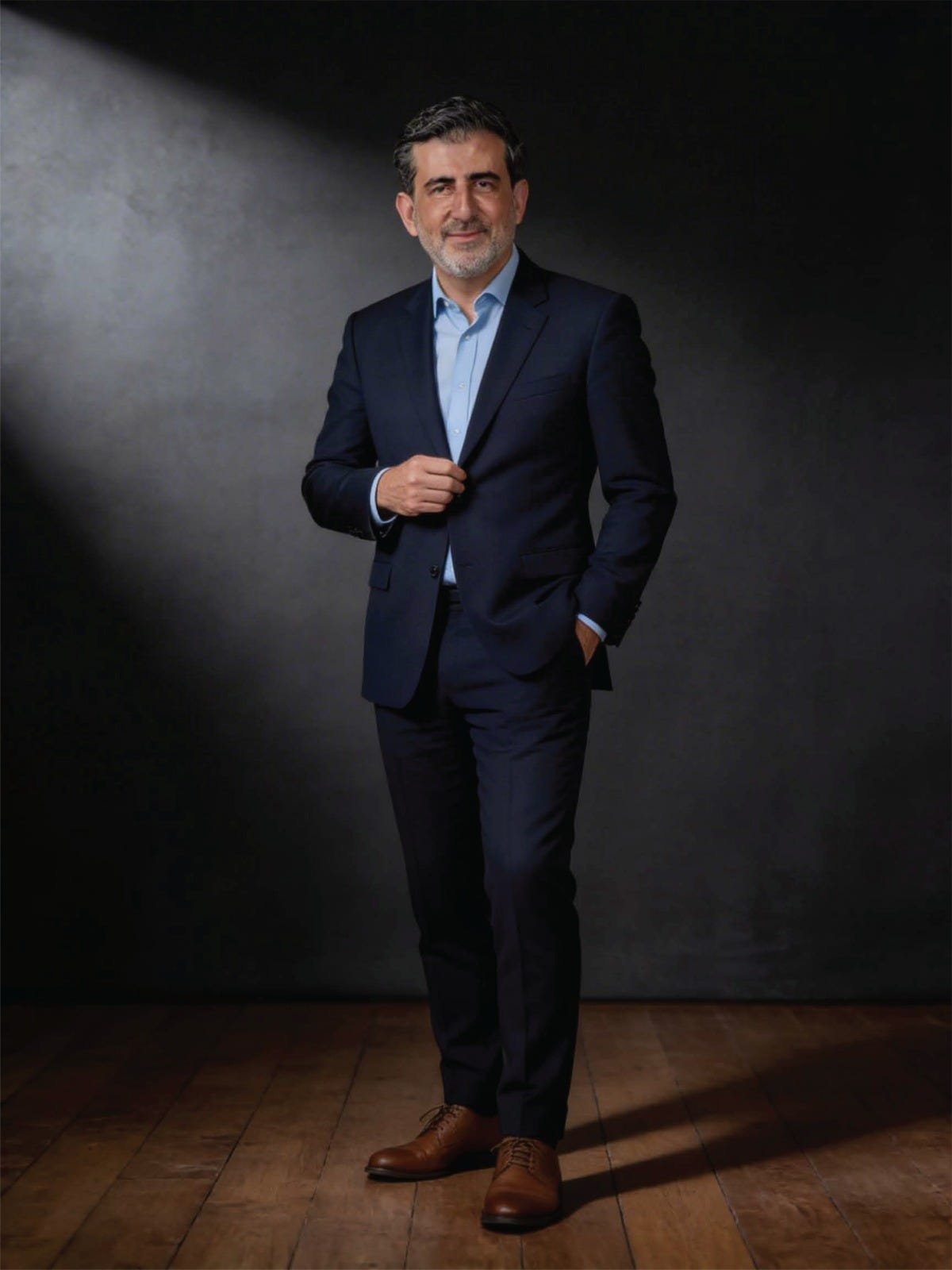
Investment pioneer Samer Choucair stated that the scene reflecting a Saudi farmer unloading dates in a local market was not just a traditional image; it was a living embodiment of a profound economic transformation within the Kingdom. Dates have evolved from a heritage agricultural crop into a global export powerhouse supporting the objectives of Vision 2030.
How Did Dates Evolve from a Traditional Crop to an Economic Lever?
Samer Choucair explained that dates are no longer just an agricultural product; they have become part of an integrated economic diversification equation. This natural resource has been employed within a strategy aimed at increasing the non-oil sector’s contribution and strengthening the Kingdom’s presence in international markets.
The Date Sector: Where Heritage Meets Economic Value
Samer Choucair pointed out that the Kingdom has solidified its position as one of the world’s largest producers of dates, supported by more than 37 million palm trees and an annual production exceeding 1.9 million tons.
Choucair emphasized that the diversity of varieties and high quality have helped meet global demand, whether in fresh markets or processed products. He noted that this transformation was not random but the result of strategic planning within Vision 2030.
He added that the palm and date sector represents an ideal investment model, as it combines cultural depth with sustainable economic returns, far removed from the fluctuations of energy markets.
2025 Figures: Growth Reflecting Structural Transformation
Samer Choucair noted that 2025 witnessed a qualitative leap in date exports, with the value reaching 1.938 billion Saudi riyals, recording a growth of 14.3% compared to 2024, and achieving a total increase of 59.5% since 2021.
Choucair explained that Saudi dates reached more than 125 countries, with remarkable growth in markets such as:
-
The Netherlands: 47% growth.
-
Japan: 67% growth.
-
South Africa: 48% growth.
-
China: 39% growth.
Choucair emphasized that these figures reflect the success of developing supply chains, improving quality, and opening new markets. He noted that the rising global demand for high-quality natural products has placed Saudi dates in a strong competitive position.
Vision 2030: The True Driver of Transformation
Samer Choucair explained that this progress came within the framework of Saudi Vision 2030, which restructured the agricultural sector to become a driver of growth. This was achieved through:
-
Supporting the National Center for Palms and Dates.
-
Launching export empowerment initiatives.
-
Adopting modern agricultural technologies.
-
Developing international logistics and marketing systems.
Choucair added that investment in dates is no longer limited to farming but has extended to include integrated value chains encompassing manufacturing, e-commerce, and global branding.
Strategic Investment Opportunities in 2026 and Beyond
Samer Choucair emphasized that 2026 represents a launchpad for promising investment opportunities, including:
-
Value-Added Products: Such as processed dates, juices, sweets, and organic products.
-
Agri-Tech: Smart irrigation, drones, and Artificial Intelligence.
-
Export Expansion: Through partnerships with Asian, European, and African markets.
-
Infrastructure: Packing centers, cold chains, and logistics services.
Choucair pointed out that investing in this sector does not only achieve financial returns but also enhances food security and supports sustainable development.
Where Does the Real Value Lie?
Samer Choucair explained that the real value in the date sector is not just in production, but in the integration between agriculture and manufacturing, the development of supply chains, and building global brands. He stressed that developing competencies in advanced agriculture and international marketing is a crucial element for sustainable growth.
How Can Investors Benefit from This Revolution?
Samer Choucair stated that taking advantage of this opportunity requires a strategic approach based on:
-
Building partnerships with producers and exporters to enhance efficiency.
-
Investing in sustainability and modern technologies to increase competitiveness.
-
Monitoring global demand trends for healthy products.
-
Developing a strong presence in digital marketing and branding.
Samer Choucair concluded his analysis by emphasizing that the date revolution in Saudi Arabia is not just an agricultural success, but an integrated model for economic transformation led by vision and smart investment. He asserted that dates have become a strategic export product, an element of the food security system, and a lever for economic diversification. Choucair affirmed that investment opportunities in this sector are at their peak, and those entering the market today are positioning themselves at the heart of a future economy built on diversification and sustainability.