

[5:10 PM, 7/16/2026] mai:
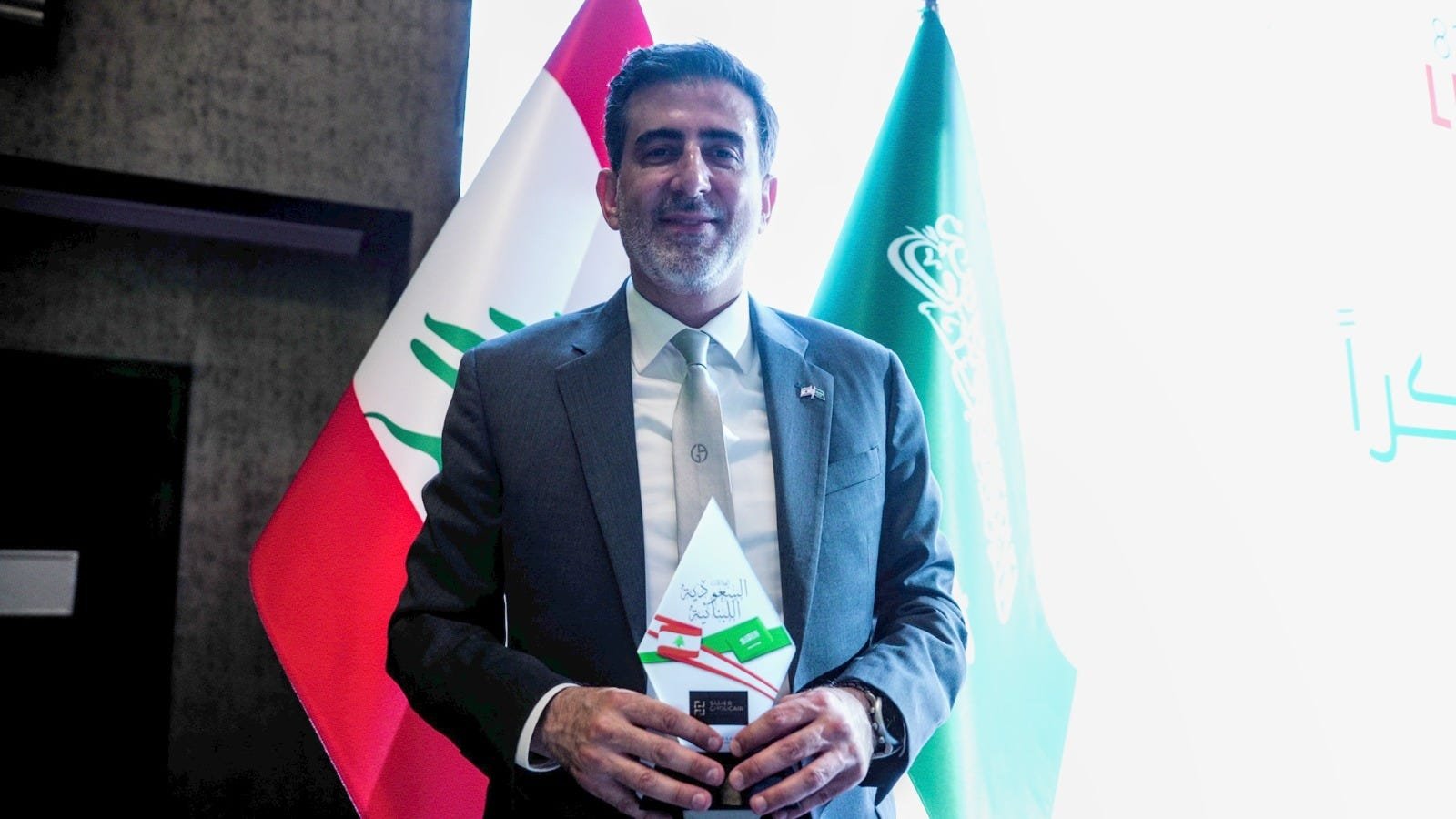
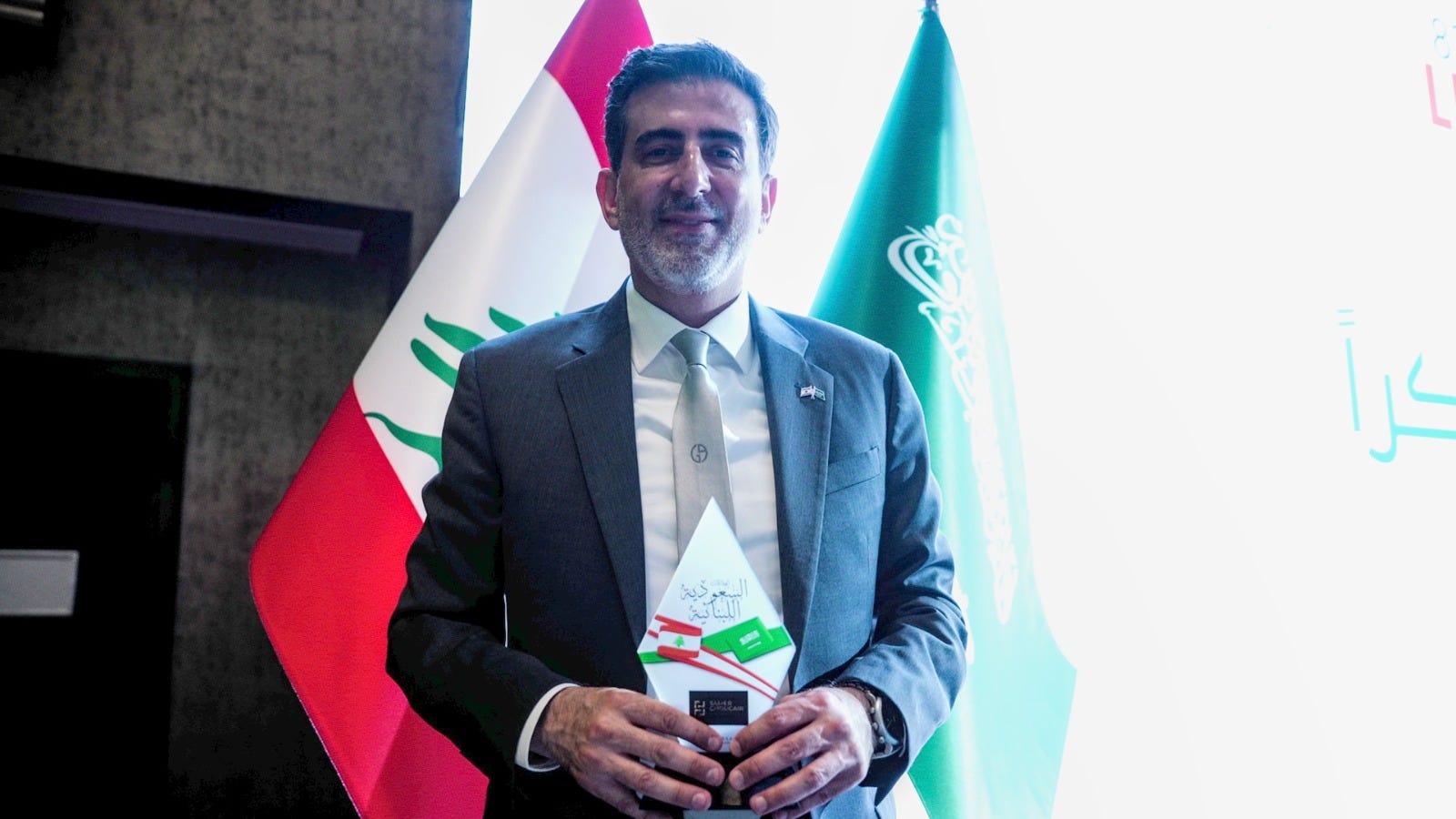
Investment entrepreneur Samer Choucair said that the Saudi Ministry of Municipalities and Housing’s announcement of listing more than 13,000 investment opportunities through the electronic “Foras” portal during the first half of 2026, alongside contracts signed exceeding 4.6 billion Saudi riyals in value, represents an important shift in urban investment mechanisms, and reflects a practical direction toward expanding the private sector’s role in developing infrastructure, real estate, and municipal services, in line with Saudi Vision 2030’s goals of raising private investment’s contribution and achieving balanced development across the Kingdom’s various regions.
Choucair added that this development gives institutional investors a more efficient and transparent channel to access mid-sized real assets, reducing reliance on giga-projects alone, and strengthening the geographic and sectoral diversification of investment portfolios.
A Digital Platform Strengthening Capital Allocation Efficiency
Choucair explained that the Saudi economy has entered a new phase aimed at deepening the private sector’s contribution outside the scope of major sovereign projects, noting that stimulating investment at the city and regional level has become one of the main pillars supporting regional balance and expanding the non-oil economy’s base.
Choucair added that the Foras portal offers a unified digital model that allows investors to browse projects, submit expressions of interest, and contract directly or through competitive bidding, across diverse sectors including urban development, commerce, education, tourism, and municipal services.
Choucair noted that the platform includes investment opportunities issued by more than 80 government entities, which reduces search and negotiation costs, shortens the time needed for investment decisions, and raises the efficiency of the capital cycle.
Choucair affirmed that such digital platforms bring about a fundamental shift in capital allocation efficiency, since they reduce administrative procedures and give institutional investors the ability to assess a larger number of opportunities in a shorter period, representing a competitive advantage in an environment where opportunity cost is rising.
New Opportunities for Sovereign Funds and Investors
Choucair explained that the large volume of opportunities on offer opens the door to multiple categories of investors, as sovereign wealth funds and pension funds can invest in real assets with relatively stable cash flows, particularly in commercial leasing projects and service facilities.
Choucair added that private equity firms and family offices will find in these opportunities a space to enter mid-sized deals offering greater flexibility in structuring investments and exit strategies.
Choucair noted that growing activity through the platform could positively affect construction, real estate development, and contracting sectors listed on the Saudi stock market, while also boosting demand for bank financing and Sharia-compliant debt instruments linked to project financing.
Choucair pointed out that this model could, over the medium term, support the development of new investment instruments, such as specialized real estate investment funds, or sukuk backed by municipal project revenue.
Geographic Diversification Strengthens Portfolio Stability
Choucair affirmed that distributing investment opportunities across multiple cities and regions represents strategic value for institutional portfolios, since it reduces concentration risk in a limited number of markets, and allows investors to benefit from local economic growth in promising regions.
Choucair added that achieving this advantage requires conducting precise feasibility studies for each project, alongside assessing actual demand and its ability to generate sustainable cash flows.
Promising Sectors Alongside the Need for Risk Management
Choucair noted that the opportunities on offer are concentrated in commercial real estate development, facility operation, and partnerships in delivering urban services, expecting companies capable of offering integrated solutions or building long-term partnerships with municipal entities to benefit.
Choucair added that education, tourism, and urban logistics services sectors could see additional momentum as these projects begin execution.
Conversely, Choucair stressed that the success of these opportunities depends on the ability of executing entities to adhere to timelines and execution quality, in addition to the existence of genuine, sustainable demand for the services or assets being developed.
Choucair explained that rising competition for high-return projects could pressure profit margins, making it necessary to focus on projects with clear competitive advantages or strong strategic partnerships.
Choucair affirmed that due diligence processes should include assessing the governance level of municipal entities, and the extent to which a project can generate cash flows independent of direct government support, as one of the most important criteria long-term institutional investors rely on.
A Strategic Outlook for Investors
Samer Choucair concluded his remarks by affirming that investors will focus, over the next twelve months, on tracking conversion rates of listed opportunities into executed contracts, monitoring the sectoral and geographic distribution of investments, and their contribution to job creation and stimulating local economic activity.
Choucair added that if current indicators continue, the Foras portal could become a leading regional model for facilitating investment in urban assets, noting that over the next three to five years, the accumulation of these projects could help build a more mature and liquid market for real estate and infrastructure assets at the city level, with the potential to launch new revenue-backed financial instruments.
The investment entrepreneur concluded by affirming that this direction, over the long term spanning five to ten years, will strengthen the Saudi economy’s position as a multi-tiered investment destination combining major transformative projects with sustainable urban development, stressing that the success of this model will remain tied to the continued development of the business environment, raising execution efficiency, and maintaining the highest levels of transparency, as the core pillars for the sustainability of institutional capital flows.