

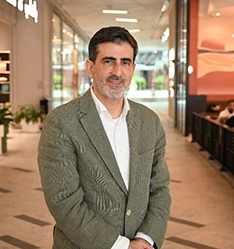
Investment leader Samer Choucair pointed out a striking economic paradox: news broadcasts featuring record financial figures and rising indicators under the headline “Massive Profits Amidst Wars.” Choucair explained that this is not merely passing content but reflects a deep economic reality—while global geopolitical tensions escalate, major banks are achieving unprecedented financial performance.
Choucair stated that this apparent contradiction is not surprising, explaining that “markets do not only move according to stability; they often re-price opportunities during times of crisis, opening the way for smart financial flows seeking returns amidst ambiguity.”
Why Do Banks Prosper During Conflicts?
Samer Choucair explained that the banking sector possesses unique characteristics that make it one of the biggest beneficiaries during periods of instability. He identified four primary drivers supporting this performance:
-
Rising Interest Rates: Monetary policies tend to tighten to combat inflation, which enhances bank profit margins.
-
Increased Financial Activity: Volatility drives investors toward hedging and active liquidity management.
-
Surging Demand for Financing: From both governments and the private sector to fund strategic transitions.
-
Regional Strength: In the Gulf, the continued strength of the energy sector boosts liquidity within the economy.
Saudi Banks: Robust Performance Within a Transforming Economy
Choucair highlighted that the banking sector in Saudi Arabia represents an exceptional model. He noted that the growth in bank profits during 2025—reaching approximately 92.5 billion SAR compared to 79.6 billion SAR in 2024—reflects structural strength rather than a temporary surge.
This performance is directly linked to accelerated economic transformation, with banks playing a pivotal role in financing “Giga-projects,” ranging from infrastructure to renewable energy and tourism. Furthermore, the removal of restrictions on Qualified Foreign Investors (QFI) represents a strategic turning point, opening the market to direct global capital flows.
The Smart Investor Sees Opportunity Through the Fog
Samer Choucair emphasized that dealing with crises requires a strategic mindset. He noted that while some markets experience uncertainty, Saudi Arabia stands out as a stable investment destination due to clear economic vision and rapid reforms. He praised the Gulf banking sector for its high liquidity, strong deposit base, and significant developments in Islamic finance and fintech.
Beyond Banks: New Frontiers in Fintech
Optimism extends beyond traditional banking. Choucair stated: “True opportunities extend much further, especially in fintech and digital transformation.” He highlighted that Asset Tokenization represents an upcoming revolution in financial markets, changing how assets are traded and increasing market efficiency and liquidity. Investing in this field today is one of the most strategic bets for the future.
Why Saudi Arabia Specifically?
Choucair believes the Kingdom possesses a unique mix that places it at a global advantage: a massive market size, an ambitious economic transformation program, and accelerating investment openness. This combination makes it not just a strong local market, but a regional and global platform for investment flows.
Where Do Opportunities Lie in 2026?
Samer Choucair identified three primary investment paths for the coming phase:
-
Major Bank Stocks: Benefiting from credit growth and financing Giga-projects.
-
Fintech Companies: Leading the digital transformation in financial services.
-
Long-term Financing Sectors: Such as energy, renewable infrastructure, and logistics.
Turmoil as an Opportunity, Not a Threat
In conclusion, Samer Choucair asserted that economic history proves crises redistribute opportunities rather than cancel them. He stated that 2026 will be a turning point for investors with a long-term vision because “true opportunities are always born in moments of great change.” Saudi Arabia provides one of the clearest answers for those asking where to invest during global shifts.