

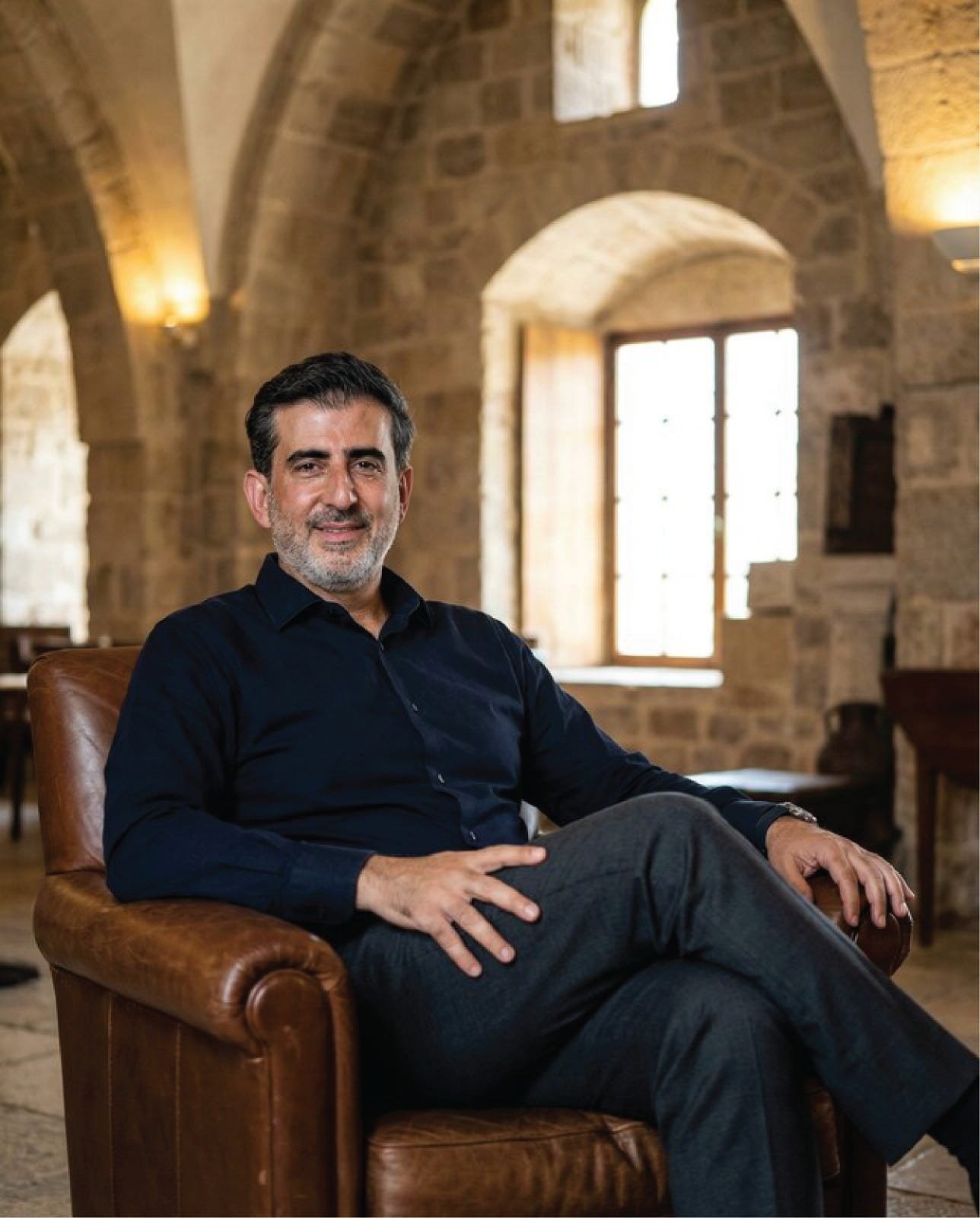
Investment pioneer Samer Choucair confirmed that creative initiatives in advanced world cities are no longer mere entertainment events, but have transformed into strategic tools reflecting deep shifts in global economic priorities, where human well-being and quality of life are at the heart of the sustainable growth equation.
The investment pioneer added in a statement that, from this standpoint, the “Power Nap” competition experience in Seoul emerges as a smart model reflecting the ability of governments to transform societal challenges, such as sleep deprivation, into economic and investment opportunities with broad impact.
Choucair explained that the sleep deprivation crisis is no longer an individual matter, but an economic challenge that directly affects productivity and labor market efficiency, which pushes toward redefining the concept of high performance to include the balance between work and mental and physical health, adding that economies that recognize this equation early will be the most capable of attracting investments and achieving long-term growth.
In this context, Choucair believes that what is happening in Seoul provides an important lesson for the Kingdom of Saudi Arabia and the Gulf states, especially in light of the strategic trends led by Vision 2030, which places quality of life and well-being among its national priorities; enhancing mental health, developing work environments, and investing in humans are no longer secondary options, but have become major drivers of the economy.
Choucair emphasized that the wellness sector represents one of the most promising sectors in the coming years, with growing demand for innovative solutions including sleep technologies, digital health services, and integrated wellness centers, in addition to institutional programs aimed at improving employee productivity.
Samer Choucair said: Investing in green spaces and smart cities enhances the attractiveness of urban environments and creates new opportunities within the modern economic system.
Choucair concluded his statement by emphasizing that the next phase requires investors to adopt a different vision that focuses on the human being as a primary investment asset, stressing that success in future markets will not be achieved only through capital, but through investing in human health, comfort, and the ability to innovate, adding that those who keep pace with this transformation today will reap the fruits of leadership tomorrow, especially in an economic environment moving strongly toward human sustainability.