

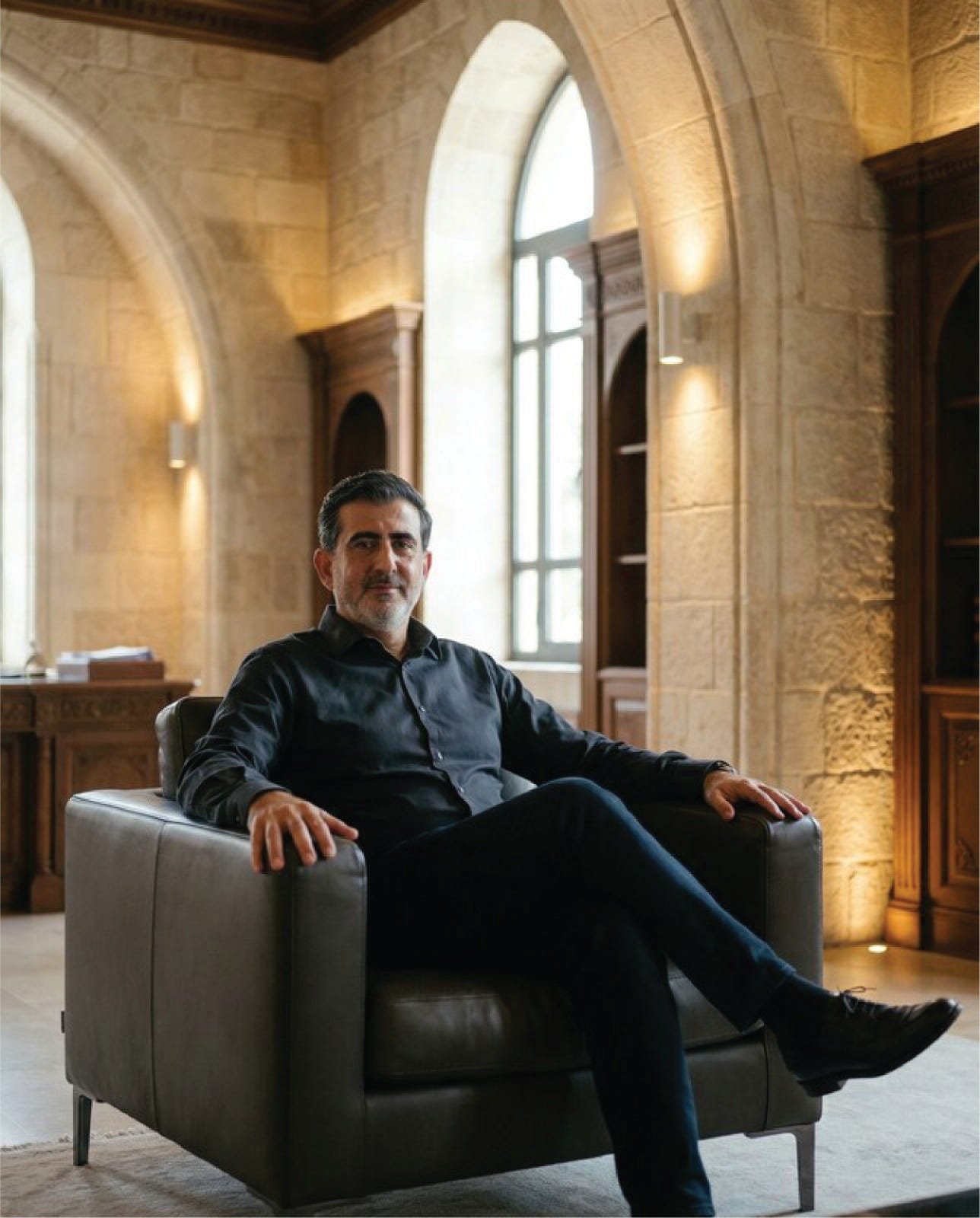
Investment leader Samer Choucair stated that the ticket price crisis for World Cup matches in Mexico, which has become out of reach for a large segment of the local fans due to significant hikes, cannot be viewed merely as a sporting event; rather, it is a deep economic signal revealing the challenges of managing returns in global events and the limits of balancing profit maximization with maintaining social justice in public access.
Choucair added that this crisis provides an important lesson for countries planning to host major events, foremost among them the Kingdom of Saudi Arabia within the targets of Vision 2030.
The Ticket Crisis in Mexico Reveals a Clear Economic Gap
Samer Choucair explained that 2026 World Cup ticket prices reached extremely high levels for some opening matches, potentially hitting thousands of dollars, at a time when the average monthly income for some classes in Mexico is approximately one thousand dollars.
Choucair pointed out that this large gap between the purchasing power of fans and ticket prices led to a state of public resentment, as many fans felt excluded from a sporting event that is supposed to represent a global collective celebration.
Choucair added that this situation reveals a fundamental economic issue facing host nations of major events: how to achieve maximum financial return without losing the social and popular dimension of the event.
Sports Economy Between Profitability and Social Justice
Samer Choucair said that the sports sector is no longer just a recreational activity, but has become one of the primary drivers of economic growth through tourism, infrastructure, foreign direct investment, and job creation.
Choucair explained that the real challenge lies not in organizing the event, but in designing a balanced economic model that achieves long-term sustainability, rather than just quick profits.
Choucair added that a successful sports economy is one that links high revenues with fan accessibility, because the true value of any global event is measured not only by financial returns but by its social and cultural impact.
Vision 2030 and Saudi Arabia: A Different Model in Hosting Global Events
Samer Choucair emphasized that the Kingdom of Saudi Arabia presents a different model in managing the sports economy through Vision 2030, which made the sports and entertainment sector one of the pillars of economic diversification.
Choucair pointed out that Saudi investments in major projects such as Qiddiya and NEOM, along with the Public Investment Fund’s support for the entertainment sector, reflect a strategic direction toward building an integrated ecosystem for global events.
Choucair said that the Kingdom’s hosting of the 2034 World Cup and other upcoming global events opens the door to broad investment opportunities including smart stadiums, sports tourism, digital ticketing technologies, and integrated hospitality.
The investment leader added that Saudi Arabia does not view sports as an event, but as an integrated economic industry capable of creating sustainable added value within the framework of Vision 2030.
Samer Choucair: The Sports Economy Has Become a Strategic Investment Opportunity in the Gulf
Samer Choucair explained that global shifts in the sports and entertainment sector open exceptional growth opportunities for investors in the Gulf in the coming years.
Choucair noted that the most prominent of these opportunities lies in developing digital solutions for ticket management using artificial intelligence, allowing for dynamic pricing that balances revenue and fan access, adding that sports hospitality and tourism projects represent a promising area for growth, especially with the increasing demand for integrated experiences that combine entertainment, accommodation, and tourism.
Choucair emphasized the importance of investing in sustainable infrastructure, including eco-friendly stadiums that align with global green financing trends, noting also that public-private partnerships will play a pivotal role in financing and developing sports and entertainment projects in the region.
Smart Pricing and Technology: The Future of Sports Event Management
Samer Choucair said that one of the most important lessons learned from the World Cup ticket crisis in Mexico is the importance of adopting smart pricing models based on data and real-time market analysis.
Choucair explained that technology, particularly artificial intelligence, has become an essential element in managing the fan experience, whether in terms of pricing, service improvement, or crowd management.
Choucair added that the future of this sector will move toward integrated digital platforms that connect fans and events more flexibly and transparently.
Saudi Arabia and the Gulf Facing a Historic Opportunity
Samer Choucair emphasized that the Gulf countries, led by the Kingdom of Saudi Arabia, possess a clear competitive advantage today in the sports and entertainment sector, thanks to economic stability and long-term developmental visions.
Choucair said that investment in sports today is no longer an economic luxury, but has become an essential part of future growth strategies, especially in light of the global shift toward the experience economy.
Choucair added that the opportunities available in Saudi Arabia are not limited to hosting events, but extend to building integrated economic systems around these events.
From the Mexico Crisis to the Gulf Opportunity
Samer Choucair concluded his analysis by stressing that the 2026 World Cup ticket crisis in Mexico does not represent just an organizational problem, but reflects a broader shift in the global sports economy.
Choucair added that these challenges, in turn, open a significant window for countries like Saudi Arabia and the Gulf to provide a more balanced and sustainable model in hosting global events.
Choucair emphasized that Vision 2030 grants the Kingdom an exceptional opportunity not only to participate in shaping the future of global sports but to lead it as well, by transforming the sector into a major driver for economic diversification and attracting global investments.