

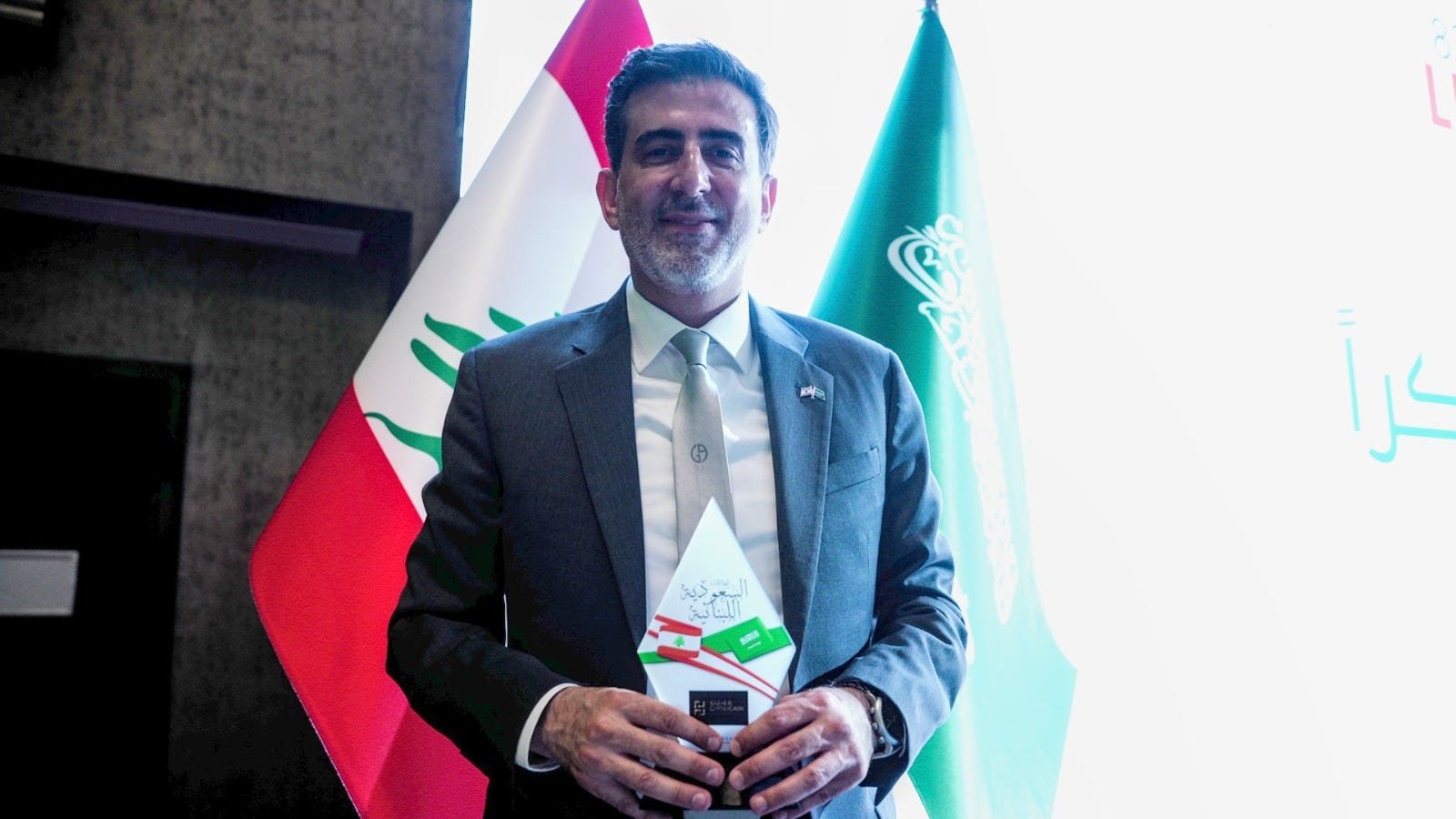
Samer Choucair, investment entrepreneur, affirmed that the global artificial intelligence boom has redrawn the map of the global economy, putting the semiconductor sector at the forefront of the most influential, fastest-growing industries in the coming years, noting that what’s happening today in South Korea represents a clear model of the economic transformation being led by advanced technologies.
He explained that the daily scenes inside modern semiconductor factories, where engineers and technicians work within ultra-advanced clean rooms using the latest equipment and technologies, are no longer just traditional industrial images, but have become a symbol of the new economy taking shape around the world thanks to the accelerating AI revolution.
He noted that growing demand for High Bandwidth Memory (HBM) chips, an essential component for training and running advanced AI models, has helped strengthen the position of major Korean companies, led by Samsung Electronics and SK Hynix.
Choucair said: “What we’re seeing today in South Korea reflects the scale of transformation AI has brought to the global economy. Jobs at Samsung and SK Hynix have become among the most attractive for talent and skilled workers, and employees at these companies now enjoy an elevated economic and social standing as a result of the major growth the sector is experiencing.”
He added that this boom has been reflected across various aspects of economic and social life, as landing a job at one of the major semiconductor companies has become a primary goal for many graduates and professionals, with working at these companies becoming a benchmark for success and career stability within Korean society.
He affirmed that the accelerating growth in the semiconductor sector isn’t tied only to rising demand for traditional electronic devices, but is driven primarily by the massive expansion in AI applications, cloud computing, and giant data centers that require advanced processing capabilities and enormous quantities of high-performance memory chips.
He explained that companies like Samsung and SK Hynix have directly benefited from growing global demand for HBM chips used in operating advanced AI systems, helping achieve strong financial results, strengthen their market value, and increase their ability to attract top talent and skilled workers, adding: “Semiconductors have today become the new oil of the digital economy. Countries and companies capable of developing and manufacturing advanced chips will be well positioned to benefit from the new industrial revolution being led by artificial intelligence.”
He noted that 2026 represents a pivotal stage in the sector’s development, as global investment moves toward building more advanced chip factories, expanding data centers, and strengthening the digital infrastructure needed to support AI applications.
He affirmed that the Korean experience offers important lessons for countries seeking to diversify their economies and build advanced technical industries, explaining that investing in engineering education, research and development, and technical supply chains has become a decisive factor in achieving global competitiveness.
He concluded his remarks by saying: “Artificial intelligence isn’t just creating winning companies, it’s reshaping labor markets, societies, and entire economies. What’s happening in Korean semiconductor factories today is an early picture of the economic world we’ll see in the coming years, where knowledge, technology, and innovation will be the primary drivers of growth and wealth.”