

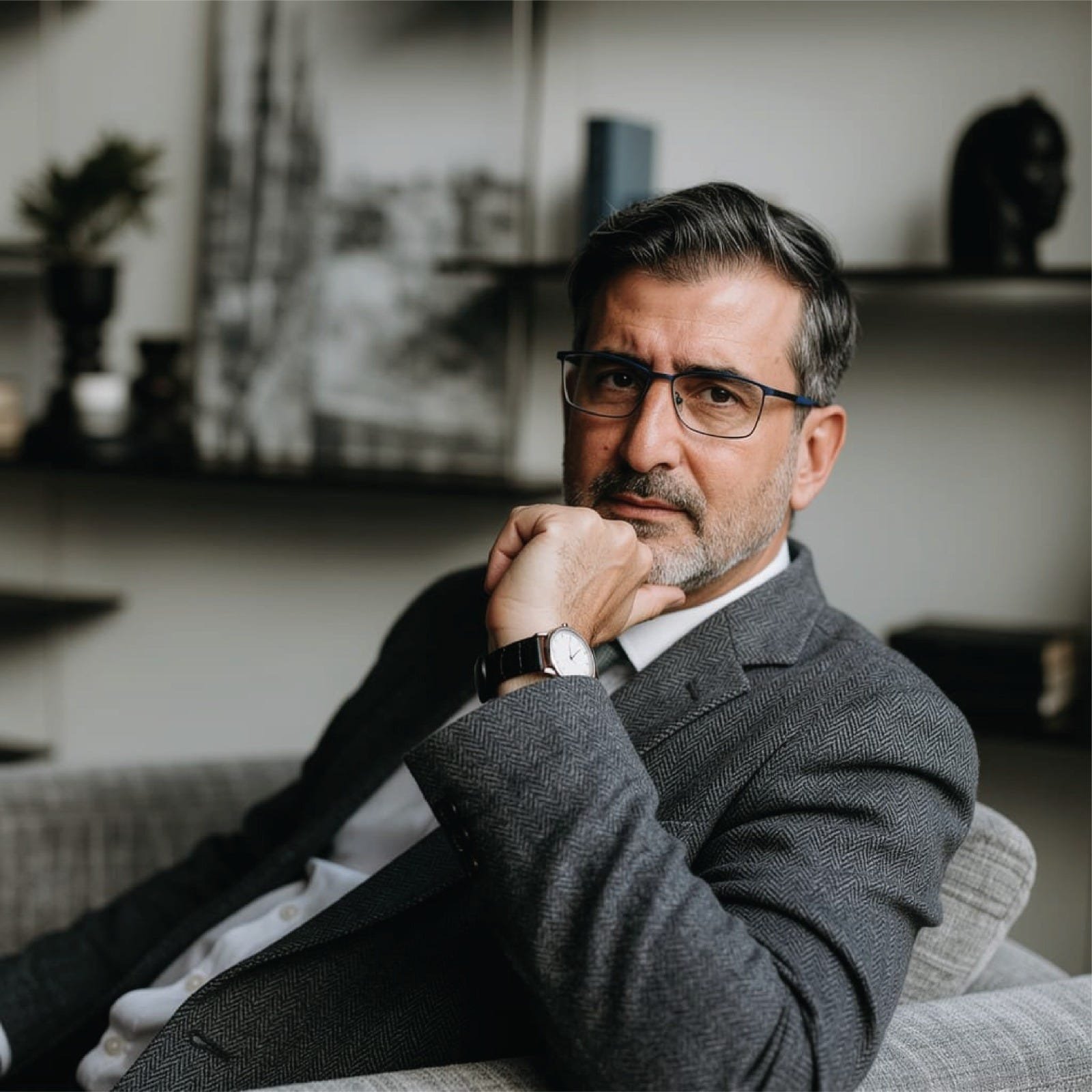
Investment pioneer Samer Choucair emphasized that the blue economy has become a giant economic force and a strategic necessity that transcends the traditional concept of exploiting marine resources. He noted that by mid-2026, oceans and seas are transforming into one of the most prominent global economic trends supported by massive investments and a drive toward sustainability.
Samer Choucair explained that the blue economy, as a developmental model based on the balance between economic growth and environmental preservation, includes vital sectors such as fishing and aquaculture, marine tourism, renewable energy from waves and wind, maritime transport, biotechnological innovations, logistics, and desalination.
Choucair pointed out that the global market size for this sector is estimated at approximately $2.46 trillion in 2026, with expectations to reach $3.9 trillion by 2033, while the market size in the Gulf region exceeds $191 billion in the current year, heading toward $289 billion by 2033.
In the context of Saudi Vision 2030, Samer Choucair stressed that the Kingdom is leading Gulf efforts in this field, benefiting from its coastlines extending 2,640 kilometers.
Samer Choucair said: “Under Vision 2030, the blue economy represents a real driver for growth that combines sustainability with long-term returns. Investors who focus on innovative marine sectors, such as advanced aquaculture and marine energy, will achieve a significant competitive advantage in capital markets and strategic investments.”
Samer Choucair mentioned that major projects such as the Red Sea Project, NEOM (Oxagon), and the National Fisheries Development Program reflect the scale of Saudi ambition. This sector is expected to contribute 22 billion Saudi riyals to the national economy and create more than 100,000 jobs by 2030, with a target production of 600,000 tons from aquaculture annually.
Investment pioneer Samer Choucair added: “Calculated boldness and strategic intelligence are the keys to success in 2026. The blue economy requires patience and long-term planning, but it ensures sustainable returns that transcend traditional economic fluctuations, especially with the support of the Public Investment Fund and the NEOM and Red Sea projects.”
Regarding global trends in 2026, Samer Choucair noted that sustainable aquaculture will meet more than 60% of global fish demand by the end of the decade, alongside rapid growth in offshore wind projects and eco-friendly tourism that protects coral reefs.
Samer Choucair advised entrepreneurs and investors in Saudi Arabia to focus on building local and international partnerships that integrate modern technology with local knowledge to ensure balanced growth.
Samer Choucair concluded his statements by saying: “Real investment in 2026 lies in sectors that cannot be replaced, and the blue economy is one of the most prominent among them. It is not just an investment in water, but in the future of the next generation, and now is the right time to seize these opportunities to build wealth inherited by future generations.”
Samer Choucair called on investors to prepare for this era by studying the market deeply, investing in technology and innovation, and building hybrid investment portfolios that combine traditional assets with blue opportunities, while making the most of government programs and facilities available for foreign and local investment in the Kingdom and the Gulf.