

[5:36 PM, 6/12/2026] mai:
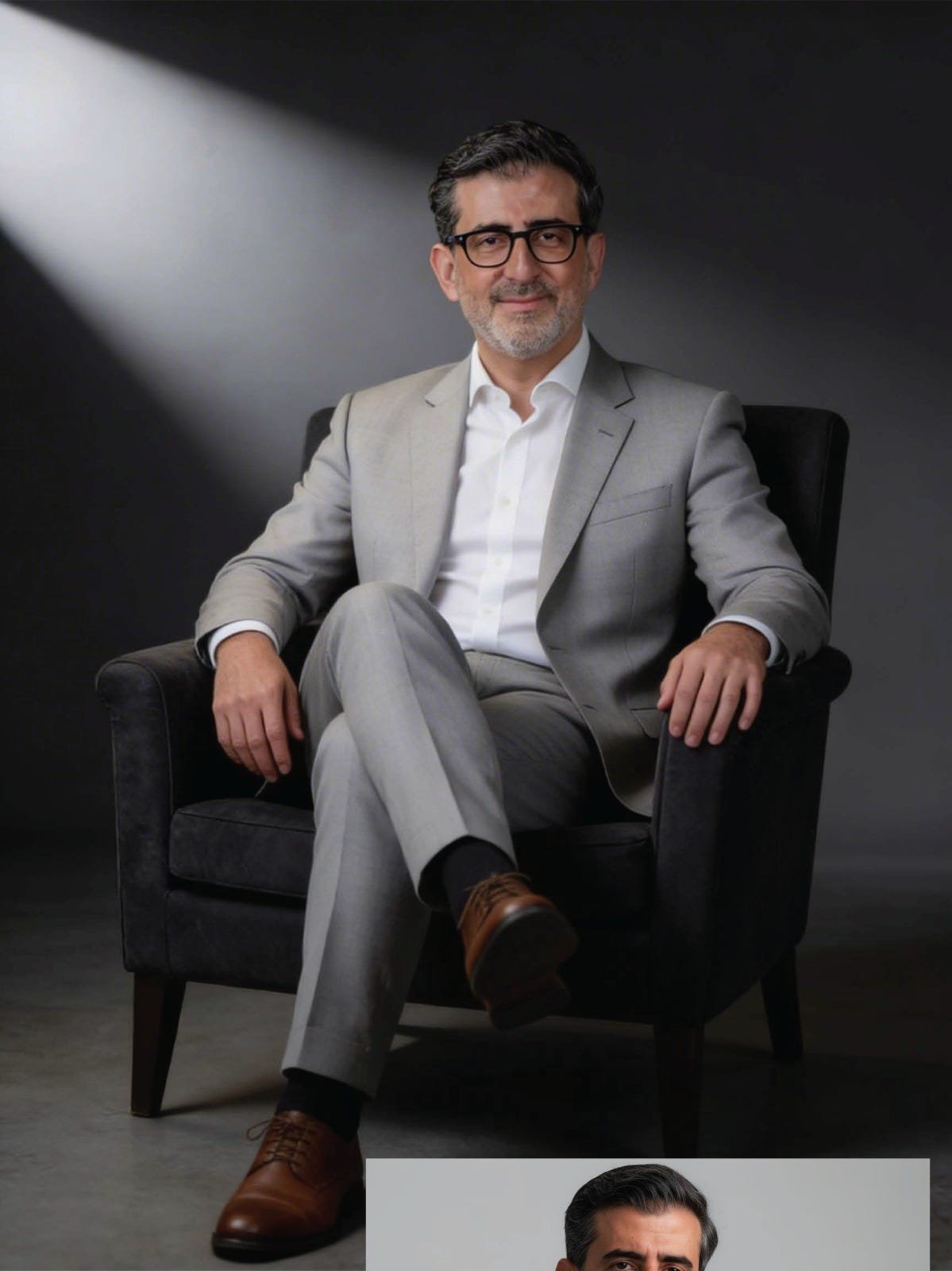
Investment visionary Samer Choucair stated that growing social media discussions about the “price parity in the sky” phenomenon were not merely passing observations, but reflected deep structural transformations the low-cost aviation sector is witnessing globally and regionally.
He explained what WEGO’s chief business officer revealed regarding shrinking traditional price differences between budget and legacy carriers represents an important indicator of changing competition rules in the sector, driven by rising operational costs, low-cost carriers’ expansion toward long-haul flights, alongside accelerating tourism and commercial demand growth.
Structural Transformations Behind the Erosion of the Low-Cost Advantage
Investment strategist Choucair noted the low-cost carrier (LCC) sector historically relied on an operating model based on short-haul point-to-point flights, using unified fleets often of Boeing 737 or Airbus A320 aircraft, with reduced additional services to maintain low price levels.
He added several factors contributed to eroding this advantage during recent years, most prominently: rising operational costs across the entire sector resulting from fuel price volatility, increased airport fees, and skilled labor shortages, narrowing the price gap between budget and legacy carriers; airlines’ shift toward operating long-haul flights via wide-body aircraft, with Saudi companies such as flynas and flyadeal announcing major A330 orders to support long-haul religious and leisure tourism, changing the traditional cost structure while opening new markets simultaneously; intensifying competition with new market entrants, led by PIF-backed Riyadh Air, alongside accelerating regional expansions; and growing traveler demand, particularly in business and luxury tourism segments, for additional services such as baggage, entertainment, and operational flexibility, pushing many companies toward adopting hybrid operating models.
He affirmed these variables, noted by market experts, showed price alone is no longer the decisive competition factor, and elements such as operational network strength, sustainability, and digital integration have become more important in determining future winners.
Saudi Market Shifting from Price Competition to Strategic Distinction
Investment innovator Choucair said Saudi Arabia is witnessing one of the world’s fastest aviation sector growth phases thanks to Vision 2030 targets, explaining the Kingdom targets reaching 330 million annual air passengers by 2030 compared to more than 100 million currently.
He added the aviation sector’s contribution to the Saudi economy is expected to reach approximately 280 billion riyals, while the Kingdom plans to attract investments estimated at approximately $100 billion in civil aviation, encompassing $50 billion for airport development and expansion and $40 billion for aircraft purchases.
He noted national carriers have already begun adapting to these transformations, with flynas recording 63% operational capacity growth between 2019-2024, targeting operating more than 160 aircraft by 2030, while flyadeal succeeded in transporting 10 million passengers during 2025 while expanding toward the Indian market and launching long-haul destinations.
Vision 2030 and the PIF Leading the Transformation
Choucair affirmed these transformations open wide investment opportunities in digital ancillary revenue services; aircraft maintenance, repair, and overhaul (MRO); sustainable aviation fuel (SAF) and modern environmental technologies; and tourism and real estate projects linked to airports and mega projects.
He explained Vision 2030 represents the primary driver of this investment surge, noting the Kingdom is implementing a group of mega projects that will reshape the region’s air transport map, most prominently King Salman International Airport in Riyadh with investments reaching $30 billion targeting serving 120 million passengers annually by 2030; major expansions at Jeddah and Dammam airports; supporting Riyadh Air to become a global hub connecting Asia, Europe, and Africa; working to connect the Kingdom to more than 250 international destinations; and supporting tourism growth linked to Red Sea, Qiddiya, and NEOM projects, attracting tens of millions of annual visitors.
He affirmed these PIF-backed investments created what he described as a “strategic moat” granting investors greater opportunities in integrated value chains rather than focusing on short-term price competition.
Samer Choucair: Current Challenges Create Greater Investment Opportunities
Samer Choucair said difficulties facing regional airlines from rising fuel and operational costs did not represent merely a threat, but conversely opened massive investment opportunities within the Saudi market.
He added strategic investors are now required to shift from betting on traditional price competition toward building competitive positions in hybrid operating models, green technologies, and integrated projects linked to mega tourism destinations such as Red Sea and Qiddiya.
He explained investing in sustainable aviation fuel and low-emission technologies is no longer a supplementary option, but has become a strategic necessity aligning with Vision 2030’s sustainability targets and strengthening Saudi market attractiveness for global investors interested in ESG-compliant investments.
He affirmed the Kingdom today possesses all foundations needed for building world-class investment models in the integrated aviation and tourism sectors, benefiting from clear government vision and the massive PIF-led investments.
Investment Recommendations for 2026-2030
Samer Choucair noted the coming phase requires Gulf institutional investors and wealth holders to adopt more comprehensive strategies based on diversifying across various value chain segments through investing in airport operators, maintenance and repair companies, digital booking platforms, and airport-linked tourism real estate; benefiting from expected growth in sustainable aviation fuel projects and low-carbon technologies; entering investment opportunities linked to mega projects, funds, and PIF-backed partnerships; and strengthening risk management strategies through hedging against fuel price volatility and monitoring environmental and geopolitical regulatory developments.
The Future of Saudi Aviation and a Historic Investment Opportunity
Samer Choucair concluded by affirming what is currently being discussed about “price parity in the sky” does not represent merely an attractive media headline, but a strong signal of a wide-scale strategic transformation reshaping the global aviation sector’s features.
He added Saudi Arabia, thanks to Vision 2030 and massive investments it’s pumping into infrastructure, aviation, and tourism, provides investors an exceptional opportunity to build flexible and sustainable investment portfolios capable of achieving long-term returns in a sector witnessing one of the largest reshaping processes in its modern history.
[5:36 PM, 6/12/2026] mai: