

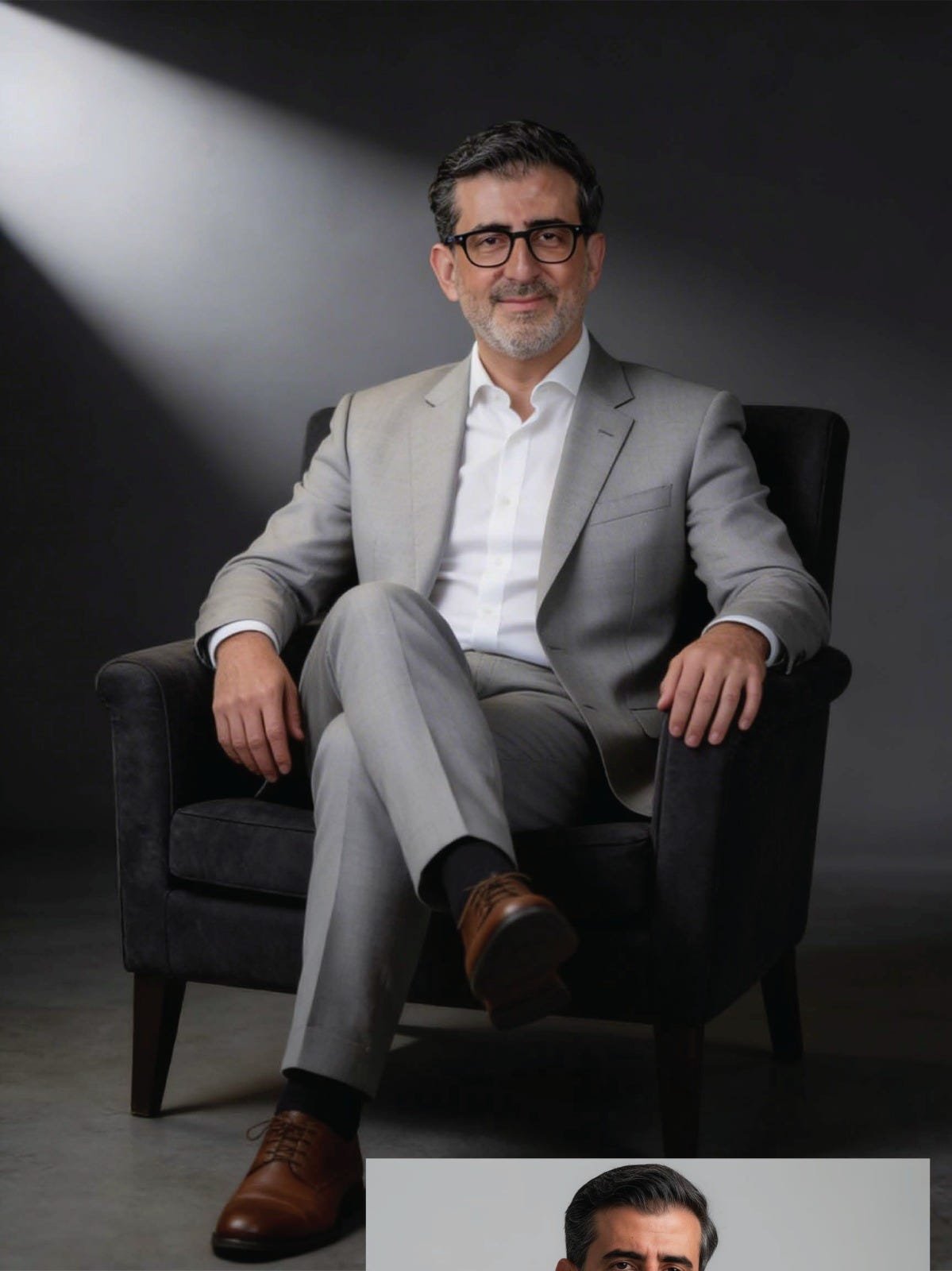
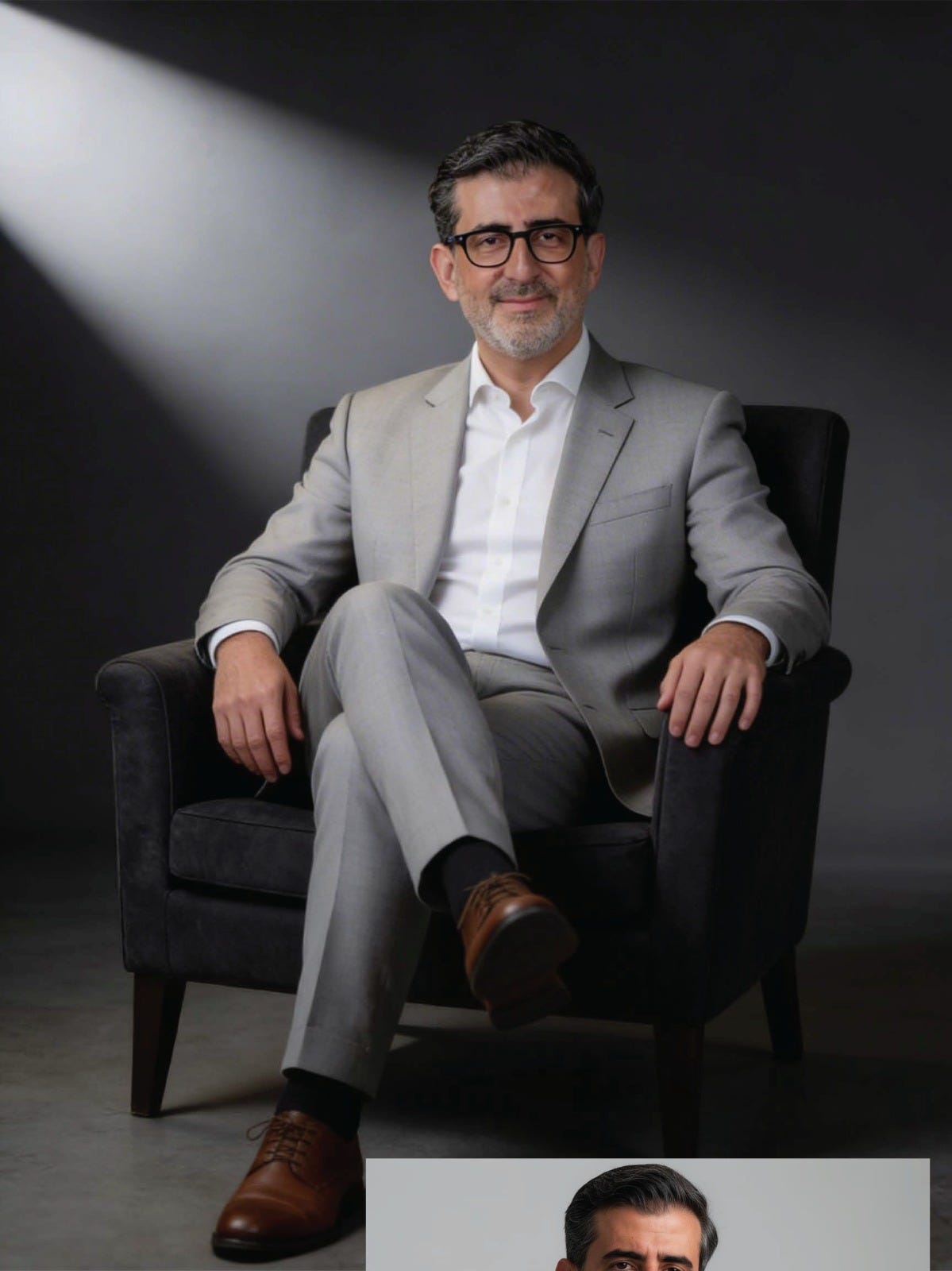
Investment entrepreneur Samer Choucair said that recent developments surrounding U.S. President Donald Trump’s proposal to impose a 20% fee on the value of shipments transiting the Strait of Hormuz, in exchange for providing security protection for the maritime corridor, highlighted how sensitive global energy markets and supply chains are to any change in the cost of one of the world’s most important trade routes.
Choucair added that the rapid retreat from the proposal, in favor of trade and investment agreements with Gulf state leaders, shifted the focus of attention from the risk of rising costs to new opportunities for cross-border capital flows, carrying important implications for institutional investors and sovereign wealth funds.
The Strait of Hormuz Remains a Key Pillar of Global Energy Security
Samer Choucair explained that the Strait of Hormuz represents a vital artery for global trade, with around a fifth of the world’s oil and liquefied natural gas trade passing through it, making any change in transit costs directly affect imported energy costs, inflation levels, and profit margins in shipping, manufacturing, and supply chain sectors, particularly in Asian and European markets.
Choucair noted that initial estimates suggested the proposed fees could add significant costs to oil shipments, potentially doubling shipping expenses in some cases, which would have led to a rise in the geopolitical risk premium in commodity pricing.
Markets Responded Quickly to the Proposal, Then Calmed After the Retreat
Choucair affirmed that the initial announcement of the fees sparked direct reactions in shipping and energy markets, as crude oil prices recorded a notable rise as investors factored a new risk premium into their pricing.
Choucair added that abandoning the proposal and replacing it with investment agreements between the United States and Gulf states reflected a shared recognition that strengthening economic cooperation is more worthwhile than imposing additional burdens on global trade, which helped ease immediate pressure and refocus attention on core supply and demand fundamentals in the oil market, noting that the episode revealed the fragility of markets in the face of sudden political developments, requiring investors to remain vigilant.
Energy and Shipping Companies Would Have Faced Significant Pressure
Choucair explained that the proposed fees, had they been implemented, would have led to a tangible increase in the cost of transporting oil and goods, particularly if calculated as a percentage of shipment value, which would have translated into inflationary pressure on importing countries, declining profit margins for global shipping companies, or these costs being passed on to the end consumer.
Choucair added that investment portfolios with significant exposure to shipping company stocks or energy futures contracts would have needed to reassess scenarios of rising logistics costs, even if the impact were short-term, since such developments raise the structural risk premium in commodity markets.
Gulf States Avoided Additional Pressure on Energy Exports
Choucair noted that Gulf economies, chief among them Saudi Arabia, the UAE, and Kuwait, rely heavily on oil and gas exports that pass through the Strait of Hormuz, meaning any structural increase in transit costs would have affected export competitiveness, and could have pressured government revenue and economic diversification programs, chief among them Saudi Vision 2030.
Choucair added that replacing the fees with agreements and joint investments with the United States represented a positive development for financial stability in the region, sparing Gulf producers additional costs, while opening the door to increased capital flows toward U.S. assets, particularly in technology, infrastructure, and energy sectors.
Choucair affirmed that Gulf sovereign wealth funds view such developments as an opportunity to strengthen long-term strategic partnerships with the United States, rather than entering arrangements that could negatively affect future investment returns.
Institutional Investors Face a New Equation
Choucair explained that sovereign wealth funds, pension funds, and asset managers are now required to balance hedging against the risk of geopolitical chokepoints in supply chains with capitalizing on investment opportunities arising from deepening economic ties between the United States and Gulf states.
Choucair added that the initial announcement raised the risk premium in energy and shipping markets, while the retreat points to the possibility of increased Gulf investment in American markets within broader deals, which could support technology, artificial intelligence, and infrastructure sectors, and offer greater opportunities to diversify investment portfolios away from traditional reliance on the energy sector.
Choucair noted that the most efficient institutional portfolios are those that pre-establish multiple scenarios for such events, and maintain sufficient flexibility to quickly reallocate capital when the risk-opportunity equation shifts between major trading partners.
A Strategic Outlook for Investors
Samer Choucair concluded his remarks by affirming that investors will focus, over the next twelve months, on tracking shipping price indicators, regional oil price spreads, and the actual volume of Gulf investment flows toward American assets, noting that any new escalation in regional tensions could quickly bring the risk premium back to markets.
Choucair added that over the next three to five years, it will be important to monitor the extent to which these new investment partnerships translate into joint projects in clean energy, logistics services, and technology, and their impact on the energy transition path at both the regional and global levels.
The investment entrepreneur concluded by affirming that the most important lesson over the five-to-ten-year horizon is the need to build investment portfolios capable of absorbing recurring geopolitical shocks at critical trade corridors, while simultaneously capitalizing on the structural opportunities created by the reshaping of economic relations between major powers and Gulf states, stressing that investors who approach these variables with calm analytical rigor, rather than emotional reactions, will be best positioned to achieve sustainable value in a global economy experiencing increasing levels of politicization.