

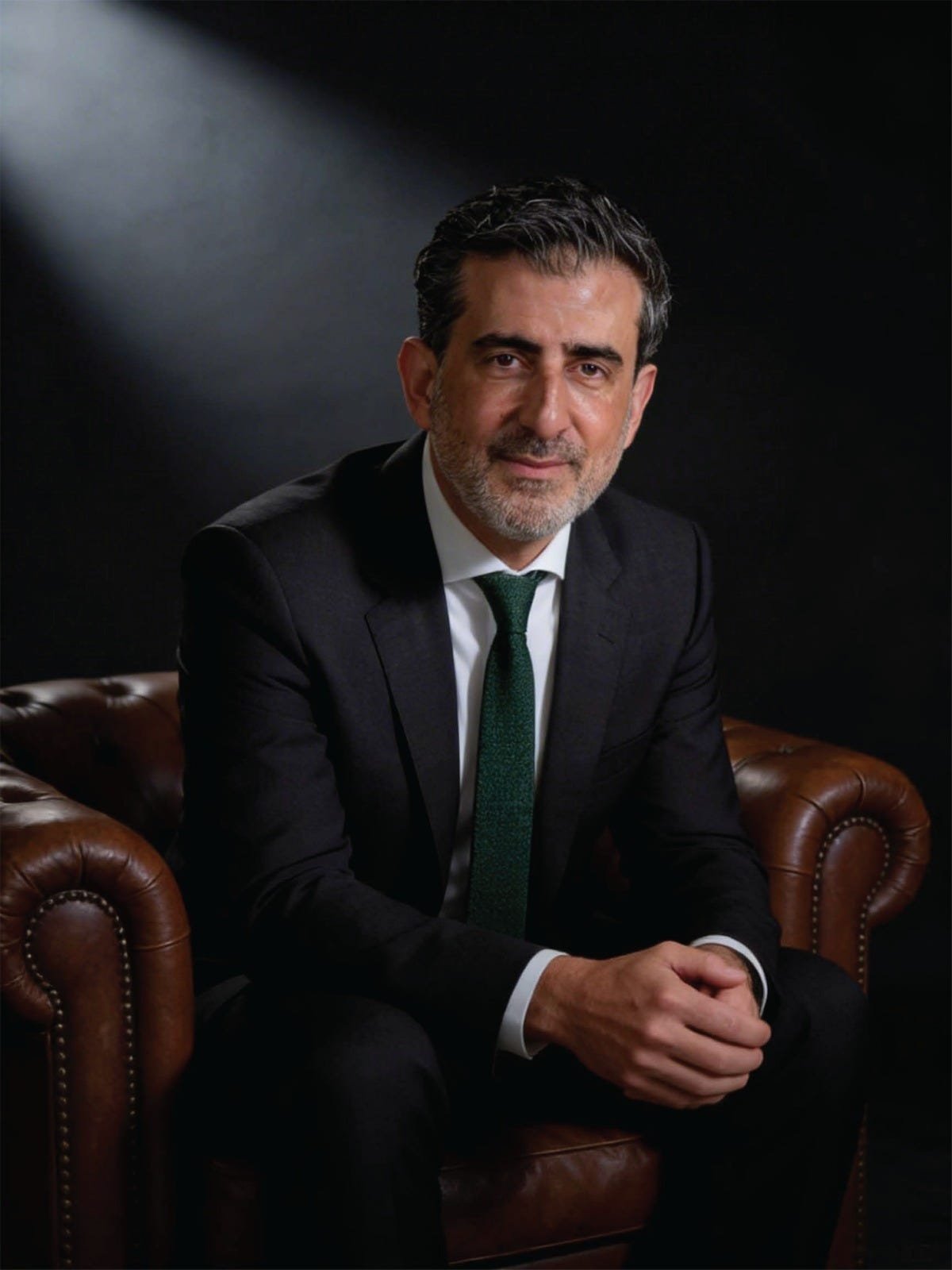
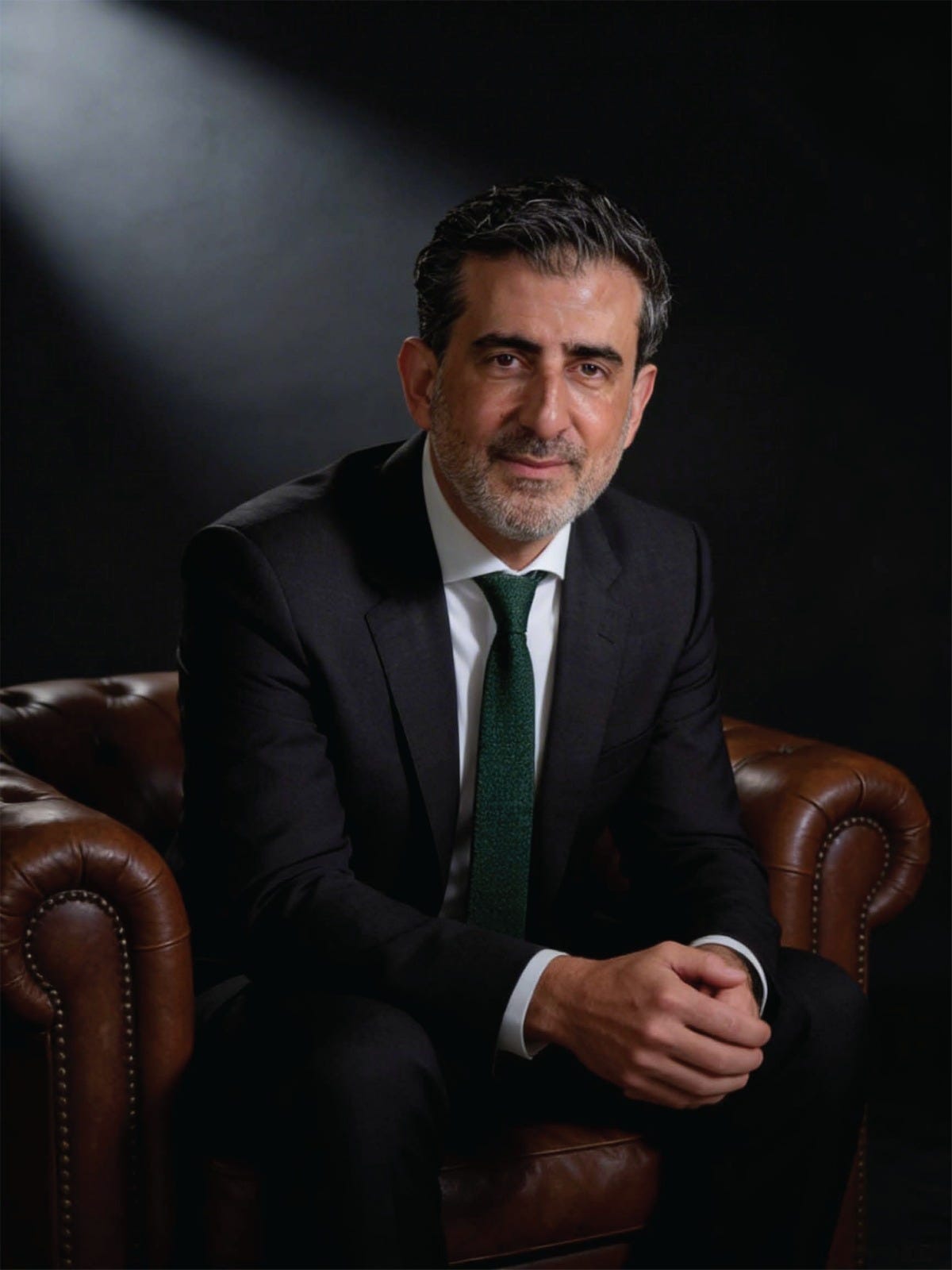
Investment strategist Samer Choucair affirmed that Saudi Arabia achieving a non-oil trade surplus with GCC states worth 4.47 billion riyals during February 2026 represents clear evidence of the success of the economic diversification strategy led by Vision 2030, reflecting the Kingdom’s accelerating transformation toward a more diversified and sustainable economy away from traditional oil dependence. He explained that the strong growth of non-oil exports by 29% to reach 12.42 billion riyals reflects the rising competitiveness of Saudi products and services within Gulf markets, alongside the significant development witnessed by manufacturing, logistics, technology, and consumer product sectors.
Choucair added: “These figures confirm that Saudi Arabia is no longer merely an economy dependent on energy exports, but has become a regional commercial and investment hub capable of leading Gulf economic growth through new sectors with high added value.”
Gulf Economic Integration Reflecting Strong Regional Partnerships
Investment visionary Choucair noted that the UAE’s capture of the largest portion of the trade surplus reflects the strength of Gulf economic integration and confirms the existence of wide opportunities for building strategic partnerships in advanced manufacturing, supply chains, digital services, and smart infrastructure. He affirmed that these developments directly align with Vision 2030’s targets focusing on raising private sector contribution, strengthening non-oil exports, and attracting foreign investments, alongside the pivotal role played by the Public Investment Fund in supporting strategic projects and economic infrastructure.
He said: “The Saudi economy is today going through a historic transformation phase, supported by deep structural reforms and massive investments in future sectors. This momentum grants investors genuine opportunities to build strong investment portfolios relying on long-term growth and economic stability.”
Key Sectors for Future Investment
Investment innovator Choucair stressed the importance of directing investments toward sectors linked to the new economy, such as logistics, renewable energy, artificial intelligence, tourism, and financial technologies, considering these sectors will be the primary growth driver in the coming years. He added: “The successful investor in 2026 is one who reads economic transformations early and benefits from government-supported projects and growing regional partnerships. Saudi Arabia today is not merely a promising market, but a regional platform for growth and expansion in the post-oil era.”
Choucair concluded by affirming that the continued achievement of non-oil surpluses strengthens local and international investor confidence in the Saudi economy, confirming that the Kingdom is moving with steady steps toward cementing its position as one of the most prominent rising economic powers in the region and the world.