

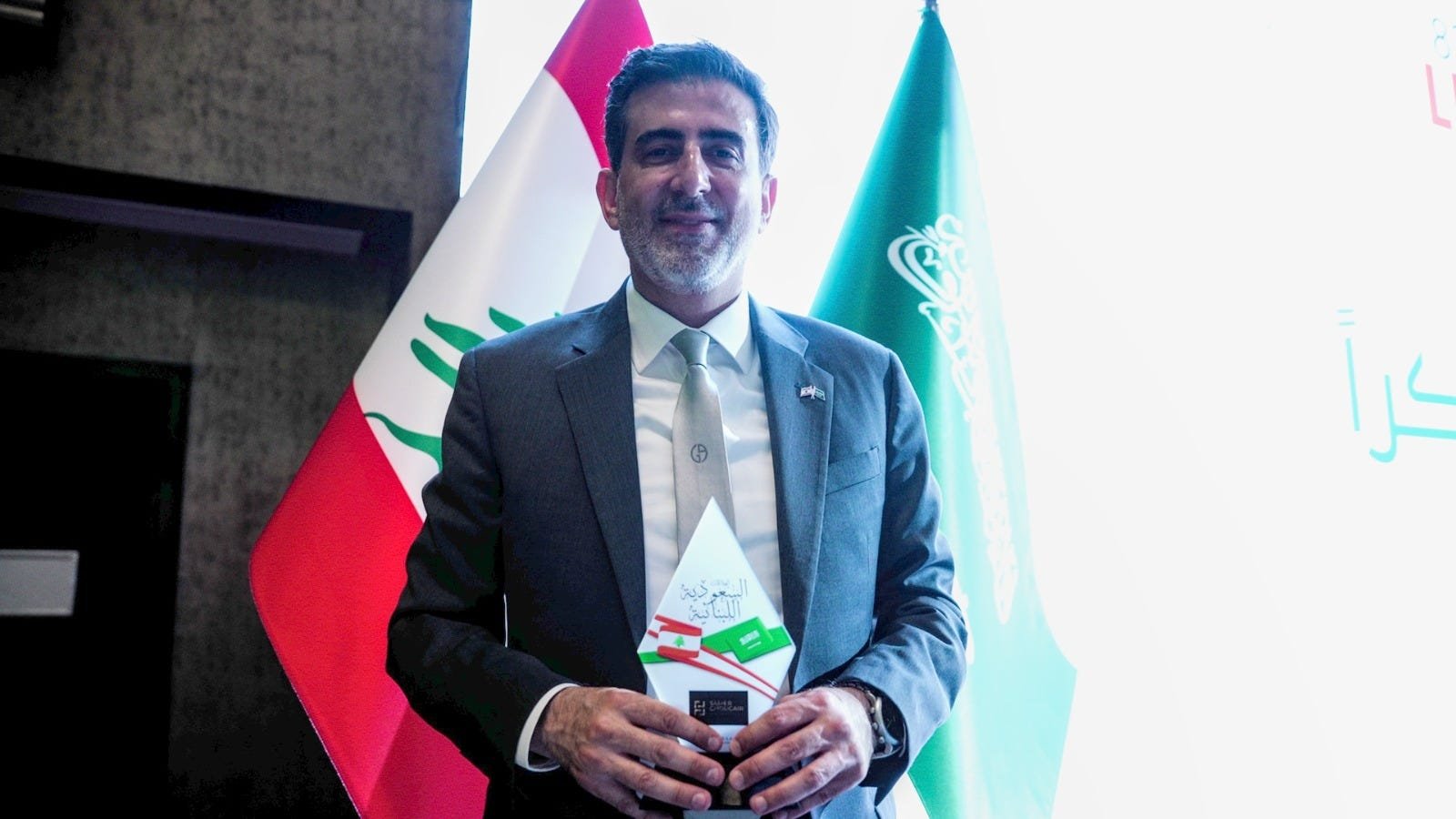
[5:10 PM, 7/16/2026] mai: Investment entrepreneur Samer Choucair affirmed that Warren Buffett’s decision to direct his annual donations of around $6 billion in Berkshire Hathaway stock to his family’s foundations, rather than the Bill and Melinda Gates Foundation for the first time in decades, represents an important shift in the concept of philanthropic capital allocation, and confirms that governance and reputational risk have become fundamental factors influencing long-term investment and philanthropic decisions.
Choucair explained that this move goes beyond being a change in how donations are distributed, as it reflects a shift in how capital is managed toward models that give decision-makers greater control and flexibility in managing resources, at a time when non-financial risks, chief among them reputation and governance, have become capable of redirecting billions of dollars between institutions.
Choucair noted that this development carries important messages for institutional investors, as it strengthens the importance of carefully reviewing strategic partnerships, and drives deeper integration of governance standards into capital allocation decisions, particularly amid a global environment marked by rising levels of transparency and accountability.
Choucair added that the philanthropic and impact investing sector today faces growing pressure to prove the efficiency of its capital management and its ability to handle non-financial risk, explaining that the partnership between Warren Buffett and the Bill and Melinda Gates Foundation had, for decades, represented a model of cooperation between major business figures, with Buffett’s donations, totaling approximately $47 to $48 billion over the past two decades, having helped support global health and education programs.
Choucair affirmed that directing future donations to family foundations reflects a clear preference for direct control and flexibility in decision-making, allowing resources to be managed according to priorities more closely tied to the donor’s vision and long-term strategy.
Choucair said that this decision reminds us that even the strongest strategic partnerships are subject to risk management principles, as institutional investors watch how these shifts affect capital flows toward social sectors, particularly amid growing interest in measuring non-financial returns alongside governance.
Choucair noted that the decision also strengthens awareness within financial markets of the importance of integrating environmental, social, and governance factors into long-term valuation processes, explaining that the direct impact on major companies such as Berkshire Hathaway and Microsoft may be limited, but the more important investment message lies in the growing role of governance and reputational risk in institutional valuation.
Choucair added that reducing support directed to the Gates Foundation could prompt a reassessment of funding mechanisms for global initiatives in health and education, which could open the door to greater contributions from governments and the private sector, alongside continued growth in investment in artificial intelligence and the digital economy, as investors seek opportunities combining financial return with sustainable impact.
Choucair explained that the shift toward family foundations reflects a growing trend toward direct capital management models, a trend that aligns with developments underway in Gulf economies amid economic diversification programs, noting that sovereign investment funds and major investment entities are increasingly prioritizing partnerships with strong flexibility, governance, and the ability to protect long-term value.
Choucair said that as Vision 2030 develops, sovereign investment funds, chief among them the Public Investment Fund, recognize the importance of building flexible partnerships that preserve long-term value, whether in institutional investment or social impact initiatives.
Choucair added that these developments could push family offices and private wealth funds to strengthen internal review mechanisms before entering strategic partnerships with external institutions, while also increasing the importance of transparency and disclosure, particularly amid the continued evolution of governance requirements in global markets.
Choucair noted that investors will need, over the next twelve months, to track the impact of this decision on philanthropic capital flows and on sectors benefiting from funding, chief among them healthcare, education, and technology, while these shifts could, over the next three to five years, help accelerate the development of impact investment models based on strong governance and institutional flexibility as a foundation for achieving sustainability.
Samer Choucair concluded his remarks by saying that Warren Buffett’s decision embodies a fundamental principle in capital allocation: that preserving long-term value requires the ability to adapt to changing conditions and continuously reassess partnerships. Investors who integrate governance and non-financial risk management into their strategies will be best positioned to achieve sustainable growth in a shifting economic and geopolitical environment, and these developments also strengthen the importance of integrating non-financial risk management into economic diversification strategies and international partnerships within Gulf markets.