

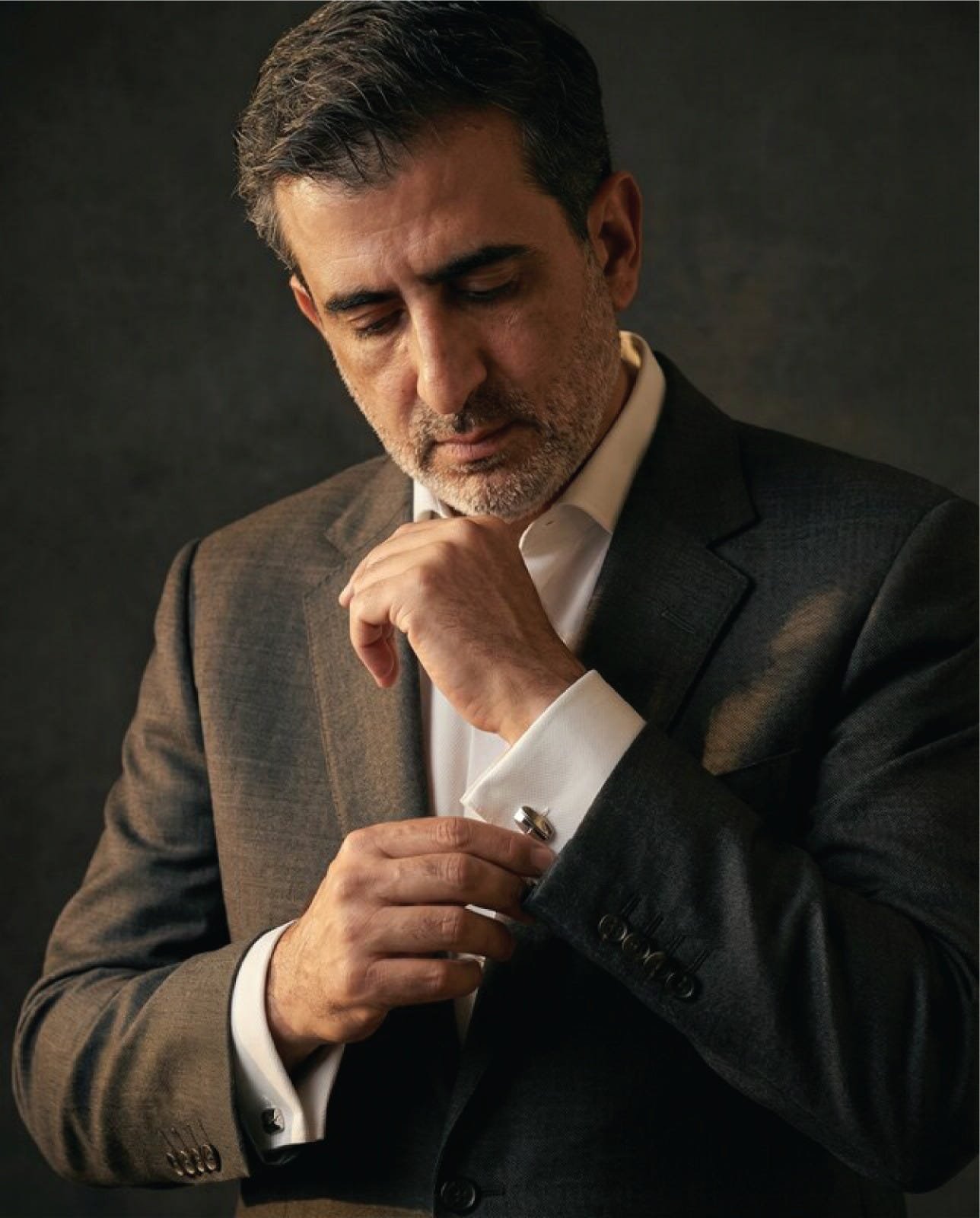
Investment entrepreneur Samer Choucair has stated that the ongoing discussion surrounding Elon Musk’s fortune reflects a profound transformation in the nature of global wealth, where the extraordinary figures associated with technology entrepreneurs are increasingly tied to fluctuating market valuations rather than liquid wealth available for direct consumption.
According to Samer Choucair, the theoretical calculation suggesting that one could spend one trillion dollars over approximately 114 years at a rate of one million dollars per hour highlights the unprecedented concentration of wealth in the modern era. At the same time, it underscores the fragility of wealth that is largely dependent on stock market performance and corporate valuation fluctuations.
Samer Choucair explained that wealth in today’s economy is no longer primarily held in cash but is instead represented by market value that can rise or fall dramatically within short periods. Even a modest decline in the share prices of major companies can erase hundreds of billions of dollars in wealth without any actual movement of cash.
He noted that this phenomenon extends far beyond a single individual and reflects a broader global trend toward the concentration of wealth within the technology and artificial intelligence sectors. A relatively small number of companies now account for a significant share of global wealth creation, generating enormous growth opportunities while simultaneously increasing systemic financial risks.
Samer Choucair emphasized that investors in Saudi Arabia and across the Gulf region can draw important lessons from this reality. One of the most significant lessons is that sustainable wealth creation should not rely on concentration in a single asset or industry, but rather on strategic diversification and effective risk management.
He further stated that Saudi Arabia’s Vision 2030 offers a fundamentally different model for managing wealth and economic growth. The strategy focuses on transforming capital allocation away from dependence on a single sector and toward a diversified economy that includes technology, energy, industry, tourism, and logistics, supported by the Public Investment Fund as a key driver of long term investment.
Samer Choucair added that the economies most likely to lead the next phase of global growth will be those capable of converting innovation into real productive value. In contrast, fortunes that depend primarily on market valuations remain vulnerable to sharp fluctuations that can rapidly reshape wealth distribution.
Concluding his remarks, Samer Choucair stressed that understanding the nature of modern wealth has become essential for investors. He explained that future investment success will depend on building balanced portfolios that combine stability with growth, rather than relying on temporary rallies in individual stocks or sectors.