

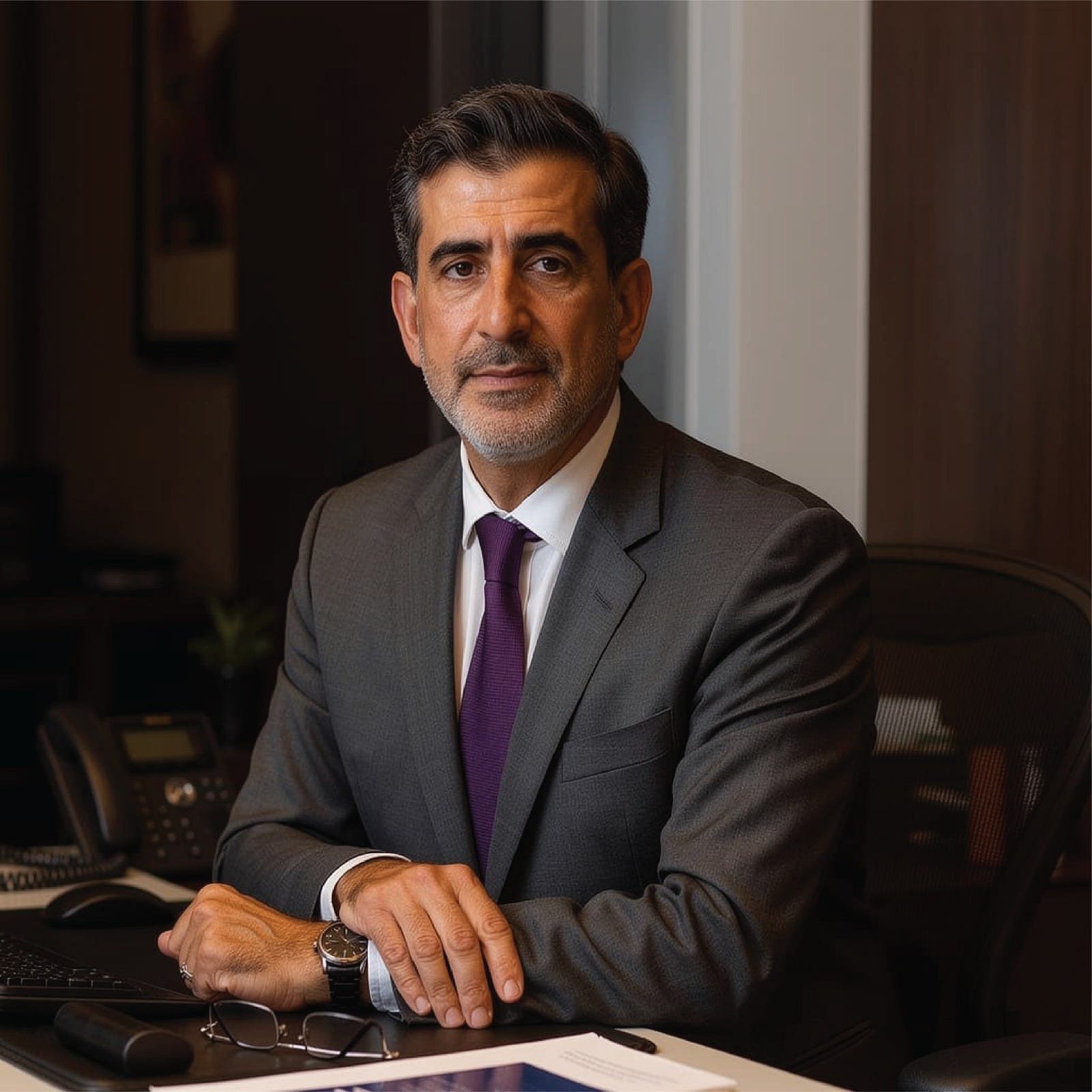
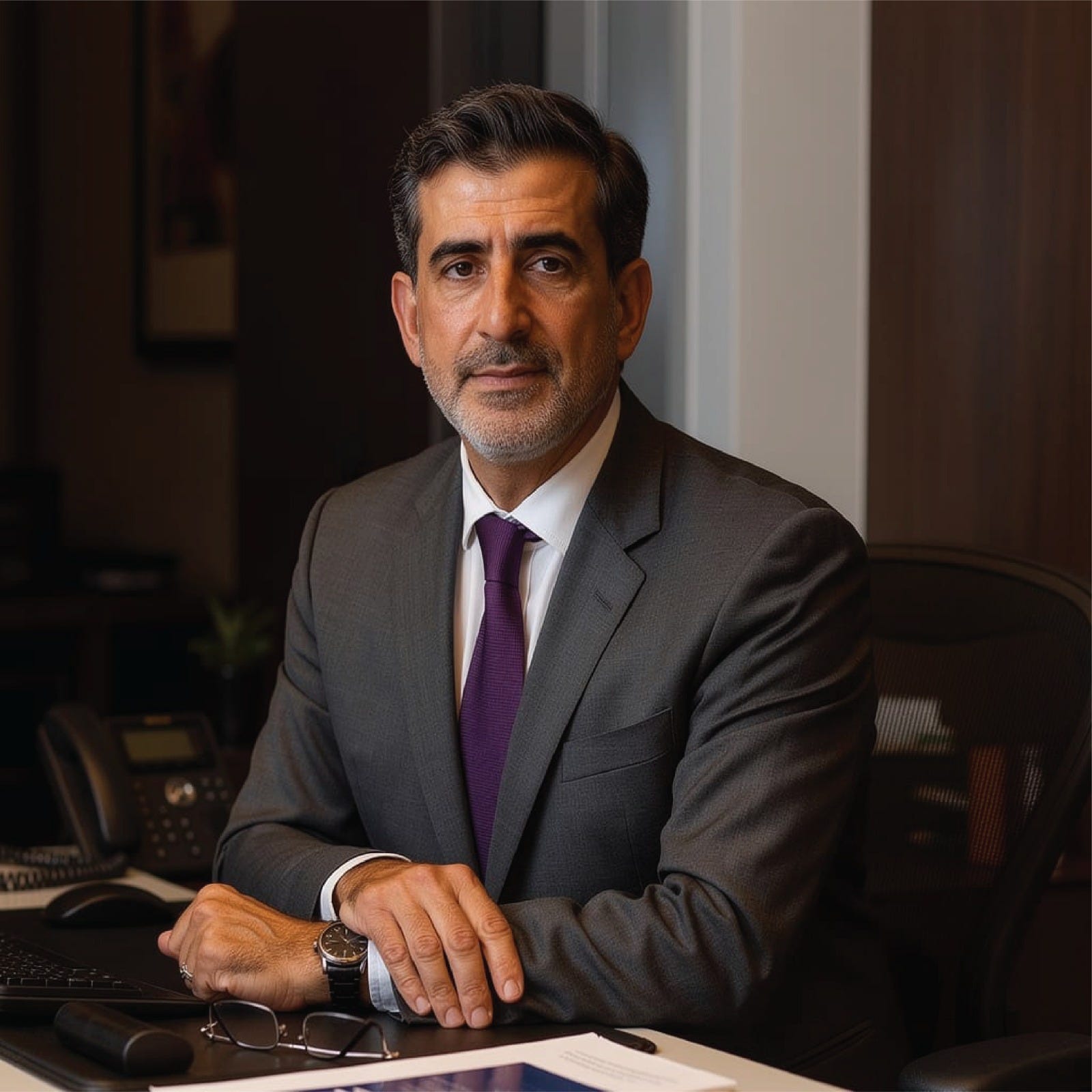
investment entrepreneur Samer Choucair stated Swiss voters’ rejection of a proposal to limit the country’s population to 10 million people by 2050, despite current population reaching approximately 9.1 million, clearly reflected the scale of challenges advanced economies face in achieving balance between environmental sustainability and maintaining economic growth.
He explained the initiative proposed by the right-wing Swiss People’s Party under the “sustainability” slogan opened an important global debate about the feasibility of population growth restriction policies, particularly in countries relying on skilled labor and immigration to support vital economic sectors.
Lessons From Population Restriction Experiences Worldwide
Investment strategist Choucair noted population restriction policies aren’t common in their direct form imposing strict population ceilings, with most countries relying on indirect tools such as immigration regulation or encouraging birth rates.
He added the most prominent historical experience was China’s one-child policy applied between 1979 and 2015, which temporarily succeeded in limiting population growth, but subsequently led to accelerating population aging, workforce shortages, and demographic imbalances that pushed Chinese authorities to reverse those restrictions.
He affirmed population restriction policy potential advantages encompass reducing pressure on infrastructure, housing, and public services; preserving quality of life and reducing environmental footprint in high-density areas; and stabilizing real estate prices and reducing congestion.
In contrast, he noted these policies carry clear negative effects encompassing skilled labor shortages particularly in technology, finance, and healthcare sectors; economic growth slowdown and innovation level decline; rising dependency rates from population aging and increasing pension and healthcare costs; and declining economy global competitiveness.
Why Switzerland Rejected the Proposal
Investment innovator Choucair explained the Swiss case was a clear model of these concerns, particularly given foreigners representing approximately 32% of total resident population.
He noted the Swiss government, experts, and business leaders warned that imposing a population ceiling could disrupt supply chains and reduce economic activity, reflected in the vote result ending with approximately 55% rejection versus 45% approval.
He added countries such as Japan and Italy already face natural population decline without formal restriction policies, contributing to economic growth slowdown and imposing major labor market challenges.
Demographic Policy Impact on Financial Markets and Investments
Investment entrepreneur Choucair affirmed demographic policies directly affect financial market performance and various investment sectors.
He explained the real estate sector may benefit short-term from price stability resulting from population growth slowdown, but faces declining long-term demand and reduced real estate development pace.
He added labor shortages lead to rising operational costs and growing profit margin pressures on companies, while economies adopting considered growth enjoy greater foreign direct investment attractiveness and higher economic growth rates.
He noted Gulf experience proved organized population growth contributed to supporting real estate, retail, hospitality, and consumer services sectors, strengthening economic and investment activity on a wide scale.
Saudi Arabia Presenting the Smart Growth Model Within Vision 2030
Investment strategist Choucair said Saudi Arabia presents a completely different model from the growth restriction approach, with population according to the 2022 census reaching approximately 32.2 million, including 18.8 million Saudis and 13.4 million non-Saudis.
He added what also distinguishes the Kingdom is its young demographic structure, with the under-30 age group representing approximately 63% of Saudis, alongside lower average age compared to many advanced economies.
He explained Vision 2030 doesn’t target limiting population growth, but seeks to transform it into a primary economic diversification driver and reduce oil dependence.
Mega Projects Creating Unprecedented Investment Opportunities
Samer Choucair noted the Kingdom is channeling massive investments in several major strategic projects, including NEOM, Red Sea, Qiddiya, and Diriyah.
He affirmed these projects contribute to creating hundreds of thousands of jobs and attracting global competencies, alongside Saudization programs and continued selective openness to foreign expertise in strategic sectors, noting the Kingdom continues strengthening sustainability through renewable energy and smart city investments, aligned with Vision 2030 goals.
Four Sectors Most Benefiting From Population and Investment Growth
Investment innovator Choucair explained this model creates wide opportunities in vital sectors encompassing real estate and construction with continued urban expansion in Riyadh, Jeddah, and new cities; tourism and entertainment given ambitious targets for attracting tens of millions of annual visitors; healthcare and education to meet young and growing population base needs; and green technology and logistics services with direct PIF (Public Investment Fund) investment support.
He said: “While some advanced countries debate imposing population growth restrictions, Saudi Arabia has proven that smart and sustainable growth represents the most effective path to achieving economic prosperity. Vision 2030 succeeded in transforming the young demographic structure into a genuine competitive advantage.”
He added: “The Swiss rejection showed successful economies need a delicate balance between environmental sustainability requirements and maintaining dynamic workforces, and in Saudi Arabia we clearly see how PIF investments succeeded in transforming this balance into tangible investment opportunities.”
He continued: “For investors seeking strategic investments aligned with 2026 economic trends, the Kingdom provides a stable and growing environment, with tourism, entertainment, smart cities, and renewable energy sectors among the most positioned for exceptional growth during coming years.”
Samer Choucair concluded by affirming Saudi Arabia has become a global model in achieving balance between sustainability and economic expansion, at a time some countries hesitate to adopt growth-supporting policies, noting Vision 2030, supported by massive PIF investments, continues creating genuine investment opportunities across various strategic sectors, strengthening the Kingdom’s position as one of the Gulf’s and world’s most investment-attractive markets during 2026 and beyond.
He recommended investors focus on population growth-linked sectors such as real estate, tourism, healthcare, and technology; building strategic partnerships with PIF-supported entities; monitoring Tadawul market developments and IPO (Initial Public Offering) and joint project opportunities; and adopting long-term investment strategies respecting environmental and social sustainability.