

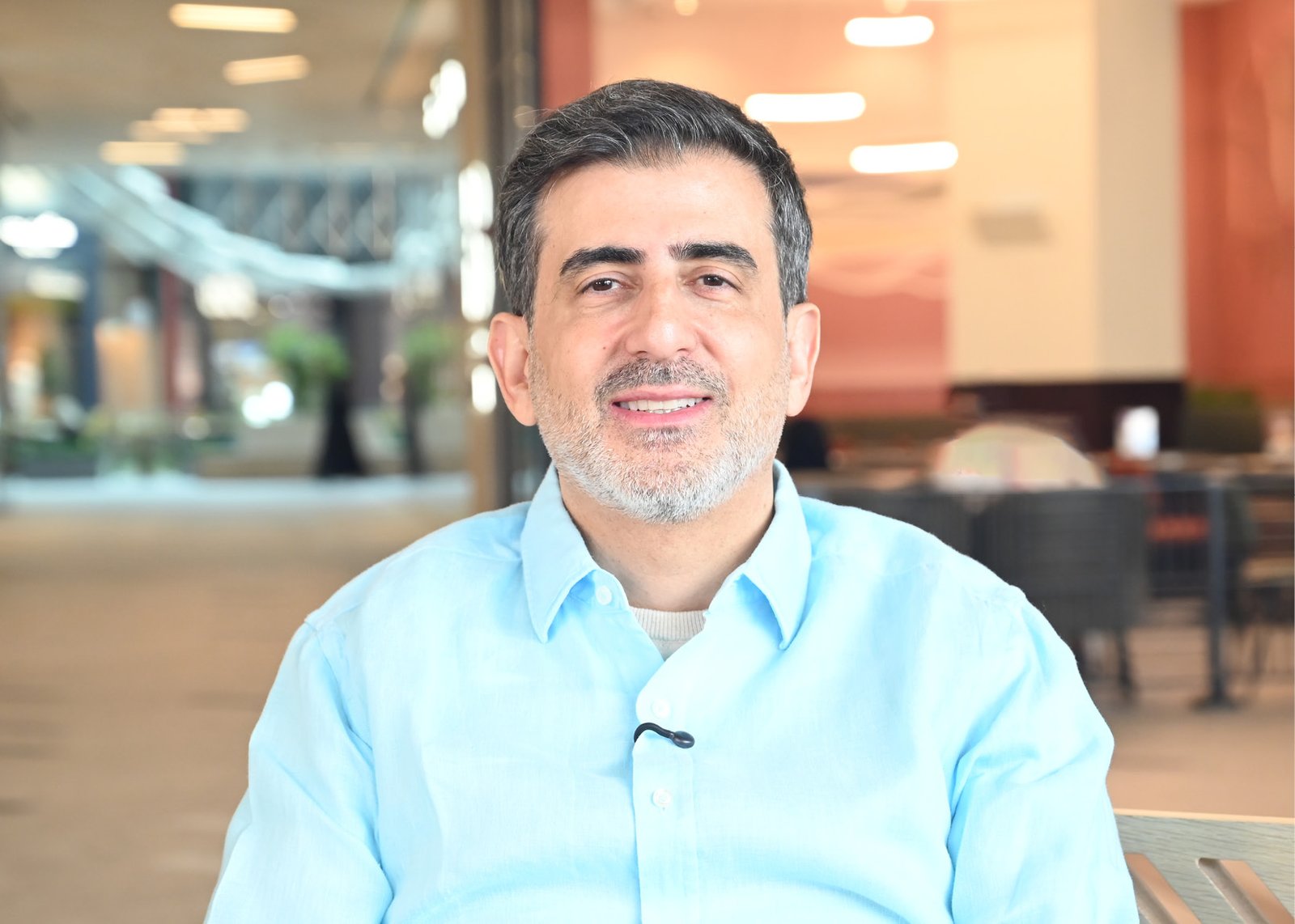
Investment strategist Samer Choucair stated that 2026 marks a turning point in which oil is no longer just a commodity or energy source—but a geopolitical weapon capable of reshaping global wealth.
He described what is happening in Cuba not as a temporary local crisis, but as a clear example of how reliance on a single energy source can become an existential threat in the era of “unsecured energy.”
—
Global Case Studies: Fragility vs. Strategic Resilience
Choucair explained that Cuba’s situation—where over 90% of energy is imported—reflects a complete economic bottleneck, similar to what Lebanon experienced between 2021 and 2023, and later Pakistan.
In contrast, he highlighted Egypt’s success in balancing its energy mix between domestic gas and renewables, as well as Europe’s ability to turn the Russian gas crisis into an investment opportunity in alternative energy—creating greater resilience against market volatility.
—
The Three New Rules of Energy in 2026
According to Choucair, the current landscape is governed by three key rules:
Energy is now geopolitics—alliances influence markets more than supply and demand
Dependence on a single source is an existential risk
The transition to clean energy is no longer optional—it is a national security necessity
—
Renewables and Logistics: Where the Opportunities Are
Choucair emphasized that investment opportunities in this new era are significant.
Renewable energy is the primary growth driver, particularly in regions such as the Caribbean, Africa, and South Asia.
He also pointed to strong returns in:
Major energy companies
Logistics sectors, including storage, shipping, and insurance
These sectors benefit from the “risk premium” generated during periods of geopolitical instability.
—
Temporary Solutions vs. Strategic Transformation
Choucair noted that Russian oil, despite its current role, remains a temporary solution, not a long-term fix.
Its supply is vulnerable to sanctions and lacks long-term reliability.
He outlined potential future scenarios:
Economic contraction if instability persists
Political easing that could reopen foreign investment flows
Strategic partnerships—particularly with Gulf countries—to rebuild renewable infrastructure
—
Final Insight: Wealth Is Rewritten in Crises
Choucair concluded:
“Crises don’t just destroy wealth—they redistribute it.”
He stressed that the smart investor understands oil as a strategic tool requiring forward-looking vision.
Early positioning in renewable energy and emerging markets, he noted, is no longer optional—it is the only way to avoid collapse and capture the next wave of historic growth opportunities.