

In a scene reflecting the major transformation in modern football, a report published by the New York Times revealed that France has become the most common birthplace for 2026 World Cup players, with 98 players born there, followed by the Netherlands in second place with 67 players, then England with 49 players, and Germany with 48 players.
The report explained that 76 players born in France represent other national teams, including 10 players on Senegal’s team alone, reflecting the scale of athletic talent migration across borders and the overlapping sporting identities of the modern era.
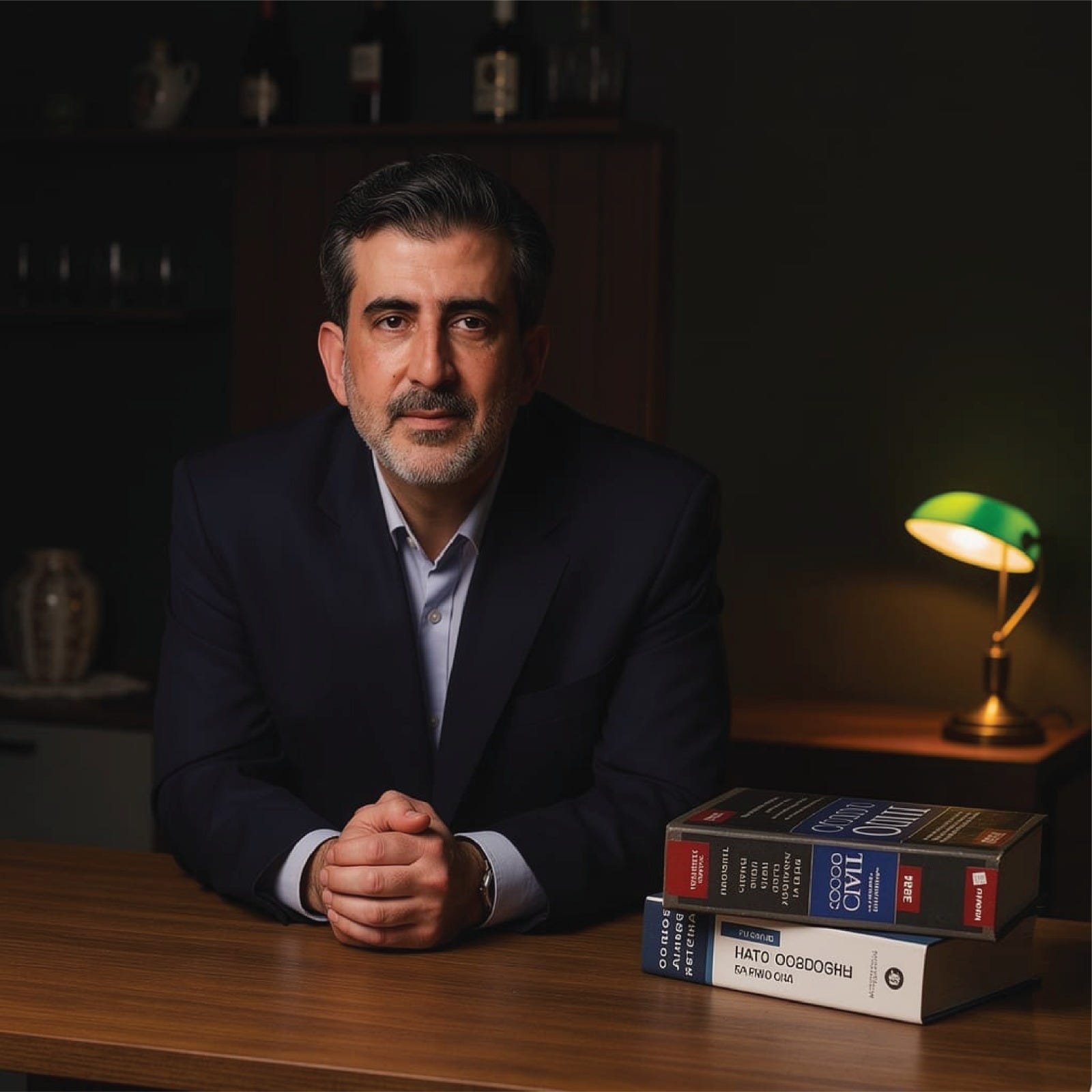
Investment entrepreneur Samer Choucair noted that these figures don’t represent mere sports statistics, but reveal an economic model built on investing in human capital, where global talent has become one of the most important assets nations and institutions build their growth strategies on.
Choucair said that the globalization of sporting talent offers an important investment lesson, as countries that invest in discovering and developing talent, and building the systems that support it, can create long-term economic value.
*Sports Is Becoming a Global Investment Industry*
Samer Choucair explained that the sports sector is no longer just a recreational activity, but has become one of the fastest-growing and most influential economic sectors.
He noted that the global sports market is estimated at roughly 522 billion dollars in 2026, with expectations of growth at a compound annual rate of 5.8% through 2030.
He added that the sports technology market is growing even faster, with its size expected to reach 39.64 billion dollars during the current year, continuing to expand at a compound annual rate exceeding 21% in the coming years.
He affirmed that this growth reflects sports entering a new phase built on technology, data analytics, artificial intelligence, and digital fan experiences, opening new investment areas for investors in the Gulf.
*Saudi Arabia and Vision 2030, Building a Global Sports Ecosystem*
Samer Choucair noted that Saudi Arabia has become one of the most prominent markets benefiting from global shifts in the sports sector, within the framework of Vision 2030, which places economic diversification at the forefront of its priorities.
He explained that the Public Investment Fund (PIF) plays a pivotal role in developing the sports sector by building integrated ecosystems, supporting private-sector participation, and attracting international investment.
He added that the Saudi Pro League has undergone major transformation in recent years through attracting global stars, developing infrastructure, and accelerating privatization programs, making 2026 an important milestone for attracting more local and international investors.
Choucair said that Saudi Arabia isn’t investing in sports merely as competitions, but is building an integrated industry encompassing clubs, stadiums, tourism, digital content, and sports technologies.
*The 2026 World Cup and Investment Lessons From Player Globalization*
Samer Choucair pointed out that the composition of national teams participating in the 2026 World Cup illustrates the importance of long-term investment in academies and talent development.
He added that player movement between countries reflects a model similar to capital flows, as markets always seek out the best talent and opportunities.
Choucair said: “Players representing countries different from their birthplaces demonstrate that investing in people can create value that transcends geographic borders, and this model can be applied economically by building systems that attract global talent and expertise.”