

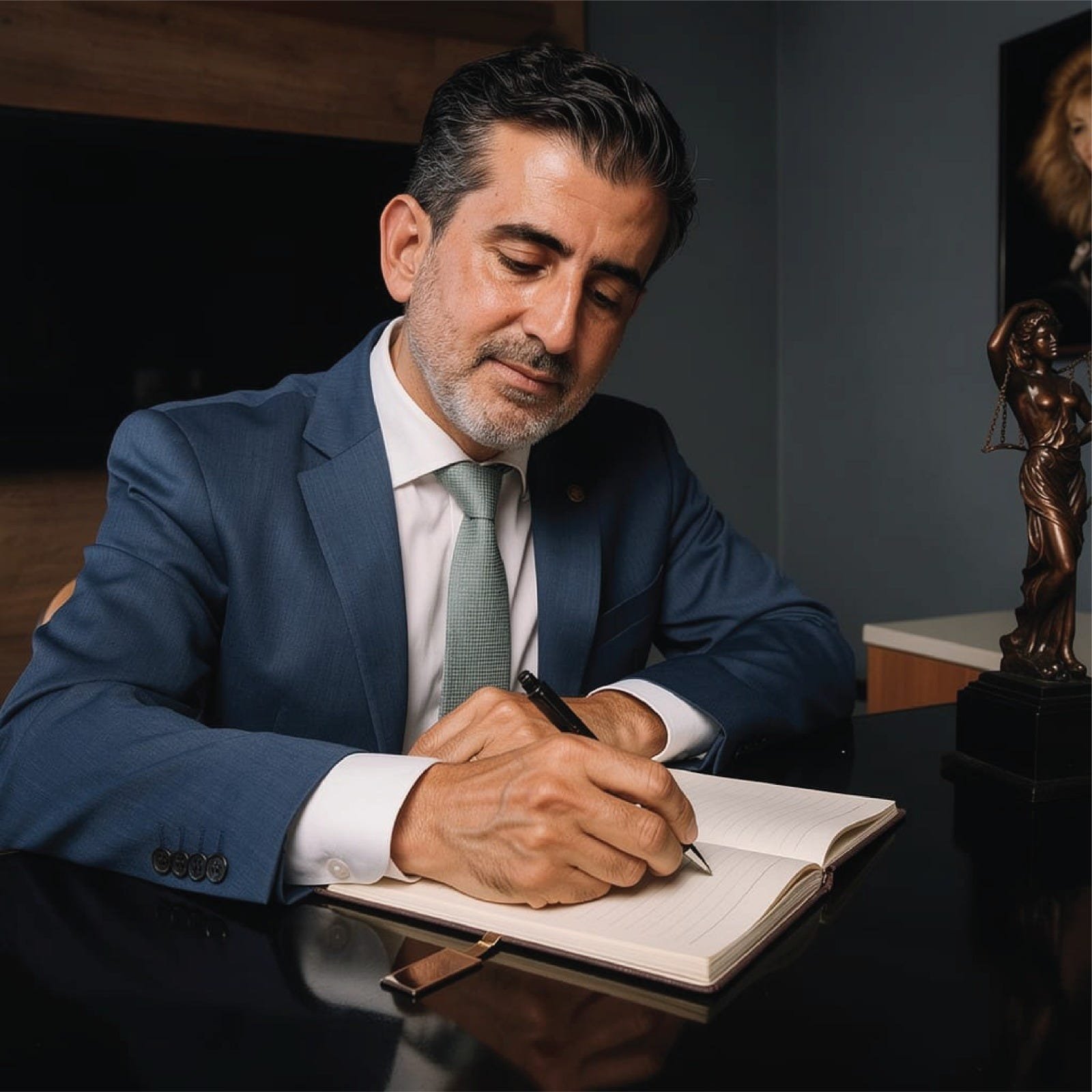
Investment visionary Samer Choucair stated that the world is facing a new phase of climate challenges with escalating probabilities of the El Niño phenomenon returning during 2026. He noted that the World Meteorological Organization issued warnings indicating an 80% probability of El Niño developing during the June-August 2026 period, with probabilities rising to 90% for continuation until at least November. He explained that global climate models expect this phenomenon to lead to increased weather volatility and extreme weather levels in many world regions, with direct reflections on economies, markets, and global supply chains.
Samer Choucair added that such transformations should not be viewed merely as risks, but can represent important investment opportunities for investors possessing long-term vision. He noted that El Niño typically leads to rising global temperatures and disrupted rainfall patterns, affecting agricultural production, natural resources, and infrastructure in many countries, with some regions facing severe droughts while others experience floods and intense heat waves.
Gulf Region Facing Agricultural Import Price Pressures
Investment strategist Choucair noted that the Gulf region, which significantly depends on food product imports, may be affected by rising agricultural import prices due to declining production of some basic crops globally such as wheat and rice. He affirmed these variables impose additional pressures on water resources and urban infrastructure, but simultaneously accelerate the shift toward sustainable investments and advanced climate solutions.
He said: “El Niño is not merely a global climate warning, but represents a clear signal of the necessity to accelerate investment in green sectors and infrastructure capable of adapting to climate changes. Saudi Arabia possesses all the foundations qualifying it to transform these challenges into exceptional investment opportunities within Vision 2030.”
Saudi Arabia Possessing an Ambitious Climate Strategy
Samer Choucair said Saudi Arabia today possesses one of the world’s most ambitious strategies for dealing with climate challenges and transforming them into economic opportunities. He noted the Kingdom targets generating 50% of electricity needs from renewable sources by 2030, alongside raising renewable energy production capacity to 130 gigawatts, and continues strengthening investments in green hydrogen as one of the most important future energy sources and strategic export opportunities.
He pointed to the Saudi Green Initiative targeting planting 10 billion trees and reducing carbon emissions by 278 million tons annually, strengthening the Kingdom’s position as a leading investment destination in sustainability and clean energy fields.
He added: “With expected global temperature rises, demand for cooling energy and sustainable solutions will increase, and here major opportunities appear in solar energy, green hydrogen, and water desalination. Investors who move early will benefit from a long-term growth wave.”
Most Prominent Promising Investment Sectors During 2026
Investment innovator Choucair identified renewable energy and green hydrogen as leading sectors, supported by mega projects such as NEOM and national initiatives attracting growing international investments. He noted water technologies and desalination represent an important strategic field given the growing need to strengthen water security and face drought challenges.
He affirmed that smart agriculture and food security provide promising opportunities through vertical farming and hydroponic solutions, contributing to reducing dependence on food imports affected by global climate volatility. He noted that sustainable finance and ESG-linked investment funds continue attracting institutional investor interest seeking long-term growth opportunities.
He recommended investors build more flexible portfolios encompassing smart agriculture, water management technologies, and sustainable ESG financing, stressing that early climate volatility preparedness is not an additional cost, but a strategic investment protecting capital and strengthening sustainable return achievement opportunities.
Choucair concluded by affirming that investors looking at climate challenges from a strategic opportunities angle will be most capable of achieving sustainable returns during the next decade. He said: “Investors who move today with proactive vision and invest in climate transformation-linked sectors will be in a leading position to benefit from economic opportunities that will shape the coming decade’s features.” He affirmed that Saudi Arabia today possesses clear vision and effective tools to transform climate risks into economic and investment growth drivers, benefiting from its major projects and ambitious programs within Vision 2030.