

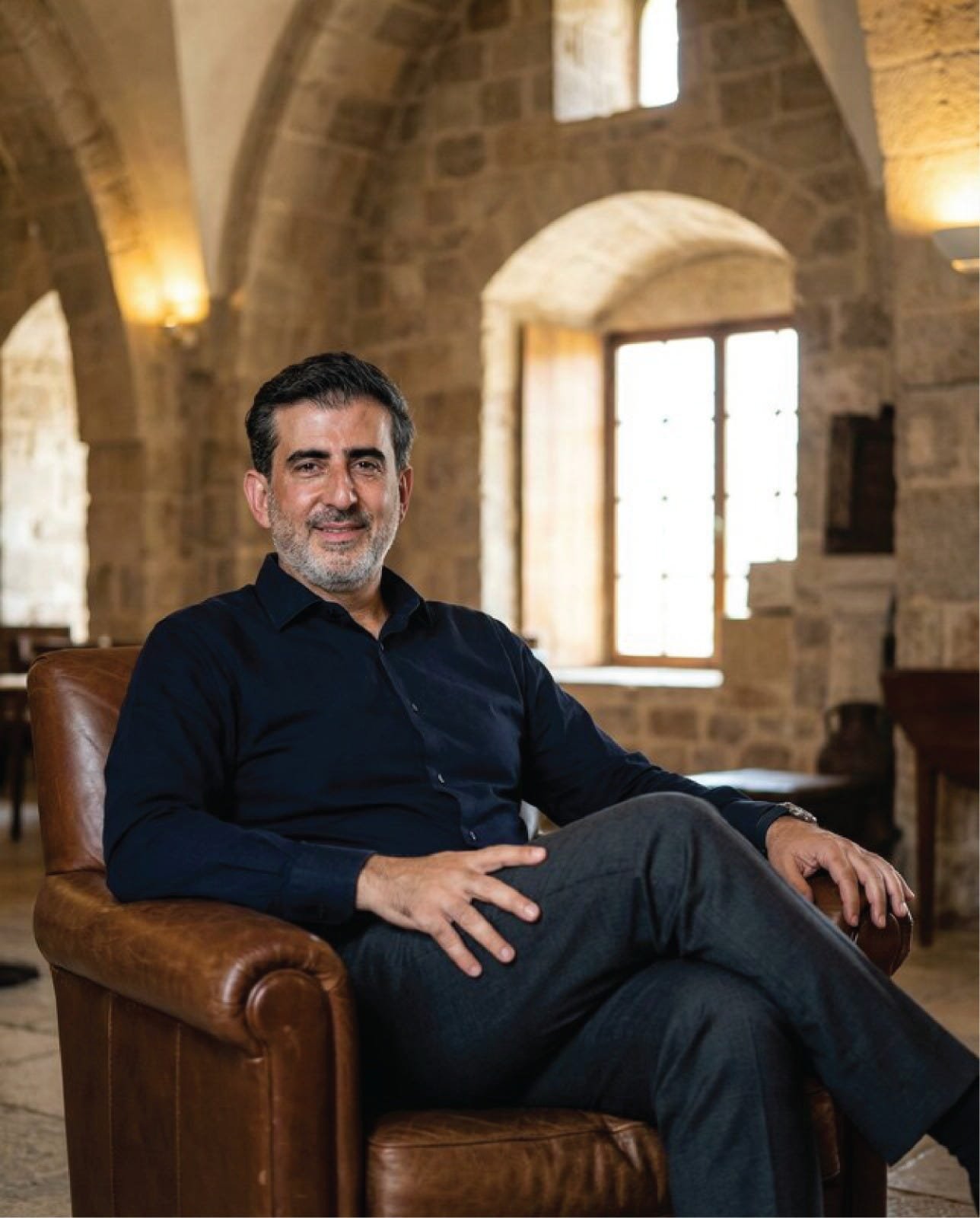
Investment leader Samer Choucair stated that the currently circulating question about the best way to invest $100,000 in 2026 is no longer a short-term speculative question, but a strategic one reflecting the market’s shift toward real assets and sectors capable of withstanding pressure.
Choucair explained that what has been circulating across social media platforms, driven by an image shared from the Al Arabiya Business account, reflects a legitimate concern among investors, but noted that the more precise answer came from global institutions, not from social media noise.
Bloomberg, Returning to the Real Economy
Choucair added that the report published by Bloomberg on April 20, 2026 titled “Where to Invest $100,000: Energy, Agriculture and Digital Payments” presented a clear vision, where four of the world’s top investment experts recommended focusing on energy, agriculture, infrastructure, and digital payments sectors.
He continued that these sectors are not merely an old economy, but are cash-generating, asset-intensive sectors with greater capacity to withstand shocks, while simultaneously benefiting directly from the artificial intelligence revolution.
Why This Shift Now?
Choucair stated that the bet on these sectors rests on two fundamental factors: first, their capacity to generate stable cash flows, and second, that they represent the genuine infrastructure of the digital economy.
He added that artificial intelligence does not operate in a vacuum, but requires electricity, networks, minerals, and supply chains, which restores value to traditional sectors.
The Report’s Experts, Genuine Professional Weight
Choucair noted that the recommendations came from names with deep expertise, explaining that Snezana Otu from AllianceBernstein focused on agriculture and basic materials, Richard Bernstein from Richard Bernstein Advisors, with more than 40 years of experience, recommended industrials and electrical grids, Peter C. Fisher from Wellington Management focused on digital payments and credit networks, and Mira Pandit from J.P. Morgan Asset Management emphasized value stocks and defensive sectors.
He added that this diversity of views reflects a rare consensus on the importance of the real economy in the coming phase.
Choucair: The Solution Lies in the Hybrid Strategy
Choucair affirmed that reading these recommendations must be within a broader framework, stating that the opportunity in 2026 lies not in choosing a single sector, but in building a hybrid portfolio combining the stability of traditional assets with the growth of technology-linked assets.
He added that genuine investment begins from human capital, building skills that cannot be replaced, in parallel with investment in sectors the economy cannot do without.
Saudi Arabia at the Heart of These Opportunities
Choucair explained that these orientations intersect directly with the priorities of Saudi Vision 2030, stating that the Kingdom today is not merely a beneficiary of these transformations, but is leading them in certain sectors.
He noted that the target of raising foreign direct investment to $100 billion annually by 2030 reinforces market appeal, adding that traditional sectors such as agriculture, infrastructure, and renewable energy have become an essential part of the Saudi growth story.
Where Is Capital Heading in 2026?
Choucair identified the most prominent investment opportunities. In agriculture and food security, he stated that supply chains, agricultural technologies, and water management represent a strategic priority. In energy and infrastructure, he explained that growing demand from artificial intelligence enhances the importance of grids and power. In digital payments and fintech, he highlighted that the rise of electronic payments to 85% of retail transactions in 2025 reflects a structural shift. In value stocks and real assets, he noted that industrial, logistics, and utility companies offer stability and sustainable returns.
How to Build a $100,000 Portfolio
Choucair stated that the intelligent investor does not ask only where to invest, but how to distribute risks, explaining that building the portfolio must rest on four pillars: cash stability, growth linked to the real economy, intelligent exposure to digital transformation, and flexible liquidity to capture opportunities.
He added that the billionaire mindset is built on patience and discipline, not chasing temporary trends.
He concluded by stating that the question in 2026 is no longer what is the most exciting investment, but what is the investment that cannot be done without.
He noted that the Bloomberg report provided a practical answer, but intelligent execution is what makes the difference.
He affirmed that under Vision 2030, Saudi Arabia holds a historic opportunity to be a center for real economy investment, and the greatest gains will belong to those who move with a long-term vision rather than a short-term reaction.