

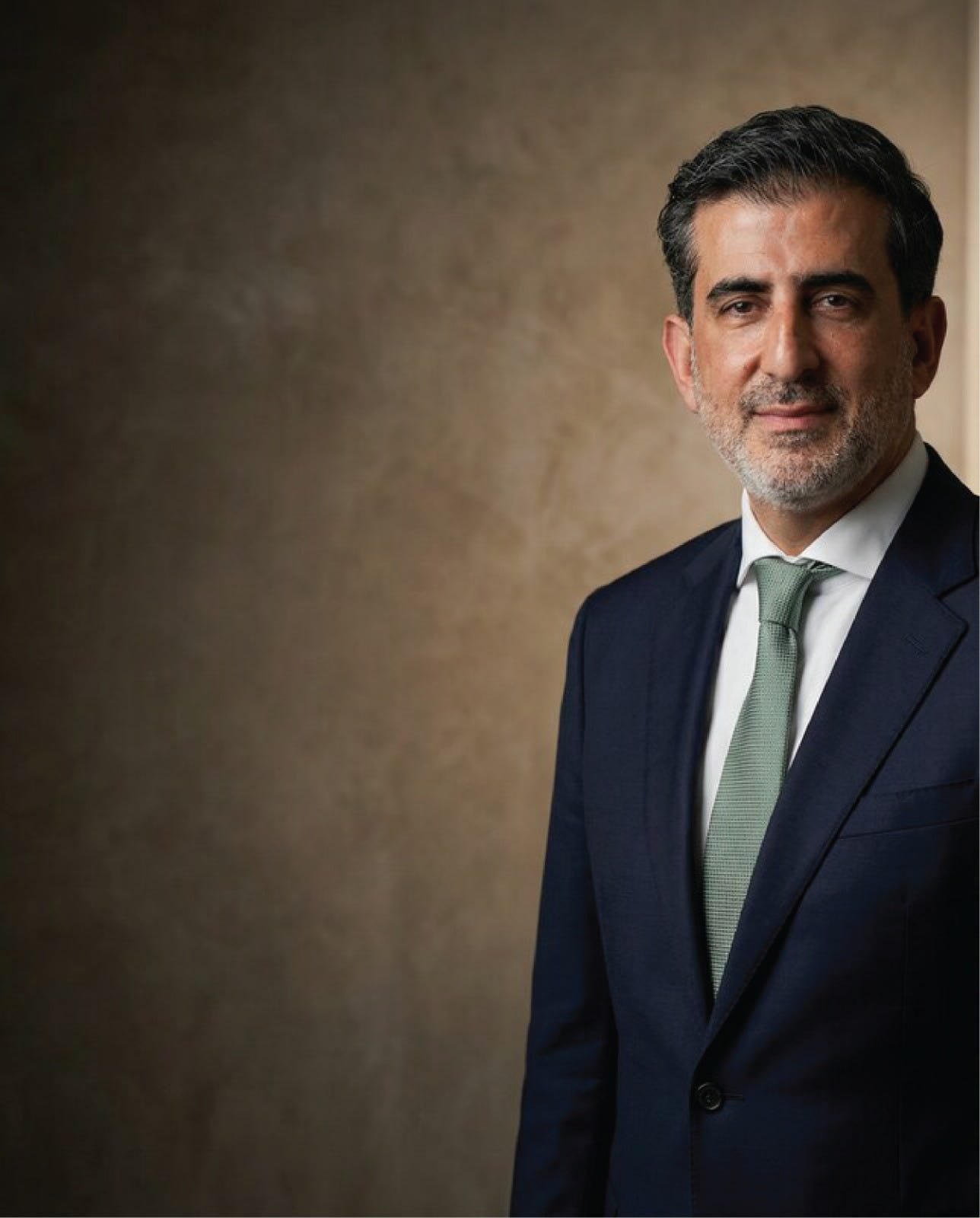
Investment entrepreneur Samer Choucair said that the growing discussions around the safest jobs in the age of artificial intelligence are once again drawing attention to the healthcare sector as one of the most strategic and long-term stable sectors in Saudi Arabia.
He explained that widely circulated images of specialized medical teams inside advanced operating rooms clearly reflect the nature of the future, where artificial intelligence is advancing rapidly in diagnostics and analysis, but still hits clear limits when it comes to precise surgical interventions, making rapid decisions in unexpected circumstances, and the human element in dealing with patients.
He added that this reality makes highly specialized human medical talent one of the most important strategic assets in the modern economy, particularly within the Kingdom, which is undergoing unprecedented healthcare transformation under Vision 2030’s targets.
Saudi Arabia’s Healthcare Transformation Creates a Massive Talent Market
Samer Choucair noted that the healthcare sector in Saudi Arabia is undergoing historic transformation under the Health Sector Transformation Program, opening the door to massive investment opportunities in infrastructure, services, and human talent.
He explained that the Kingdom aims to raise the private sector’s share of hospital bed capacity to 68% by 2030, compared to just 23% in 2023, in addition to plans to add between 26,000 and 43,000 new beds, alongside expanding the privatization of government hospitals through the Health Holding Company.
He added that market estimates indicate the value of Saudi Arabia’s healthcare sector could reach roughly 135 billion dollars, driven by growing population numbers, rising chronic disease rates, and expanding ambitions to make the Kingdom a regional destination for medical tourism.
Choucair said these figures reflect growing, sustained demand for qualified medical talent, making investment in medical human capital one of the most important growth paths in the period ahead.
The Jobs AI Can’t Compete With
Samer Choucair explained that the safest jobs in the future aren’t those based on repetition or analysis, but those requiring complex human skills that can’t easily be replaced by modern technology.
He noted that specialized surgeons, operating room teams, critical care, and precise medical specialties represent the core of this type of job, despite significant advances in robotic surgery and medical artificial intelligence, adding that AI, despite its ability to enhance precision and improve clinical planning, still faces clear limits in areas requiring:
– Precise motor skills and instant adaptation to unexpected complications during operations.
– Making complex clinical and ethical decisions in critical moments.
– Human communication and empathy with patients and their families.
Choucair said that artificial intelligence doesn’t eliminate the doctor’s role, it redefines it. Today’s doctor becomes more efficient when integrated with technology, but remains the decisive element in making the final decision.
Samer Choucair’s View, Investing in People Before Technology
Samer Choucair affirmed that the Saudi healthcare sector shouldn’t be viewed merely as a service sector, but as a long-term strategic investment opportunity directly tied to global economic shifts and the Kingdom’s Vision 2030.
He explained that growing privatization and the expansion of public-private partnerships open the door to new investment models based on integrating people and technology, including developing hybrid healthcare systems, saying that genuine investment in the healthcare sector isn’t limited to building hospitals or buying advanced equipment, but extends to building qualified medical talent capable of using these technologies with high efficiency.
He added that investing in advanced medical training centers and continuous qualification programs for surgeons and specialized talent represents one of the highest-return investment areas over the medium and long term, given its direct connection to healthcare service quality and operational efficiency.
He noted that medical tourism will rely primarily on the quality of human talent as a key competitive factor, as international patients will seek out distinguished medical expertise as much as they seek advanced infrastructure.
The investment entrepreneur said that the smart investor looks at the entire value chain, starting from education and training, through operations, to the supporting technology that enhances human talent’s performance.
Promising Investment Opportunities in Healthcare for 2026 and Beyond
Samer Choucair explained that the period ahead will see major expansion in investment opportunities tied to the healthcare sector in the Kingdom, particularly with the accelerating implementation of Vision 2030.
He noted that the most prominent of these opportunities involves privatizing and developing private hospitals and managing them through specialized investment funds, in addition to establishing advanced medical training and qualification centers in partnership with global universities and educational institutions.
He added that there are growing opportunities in supporting health technology, particularly those relying on artificial intelligence to support doctors without replacing them, alongside the expansion of the medical tourism sector, which combines high-quality medical services with advanced hotel infrastructure.
Choucair said that the future of healthcare investment won’t be built on replacing humans with technology, but on enhancing their capabilities and raising their efficiency, which makes this sector one of the most sustainable and growing sectors.
The Human Being at the Core of the Healthcare System
He concluded his remarks by affirming that the human being remains at the core of the healthcare system, while technology represents a supporting tool for enhancing efficiency and improving outcomes.
He explained that investing in human medical talent in Saudi Arabia represents a strategic opportunity aligned with the major economic transformation led by Vision 2030, noting that this type of investment combines stability with long-term return, affirming that the future won’t belong only to those who possess technology, but to those who know how to deploy skilled people and technology together to create sustainable value, saying that technology is a powerful tool, but the skilled human being is the irreplaceable asset.