

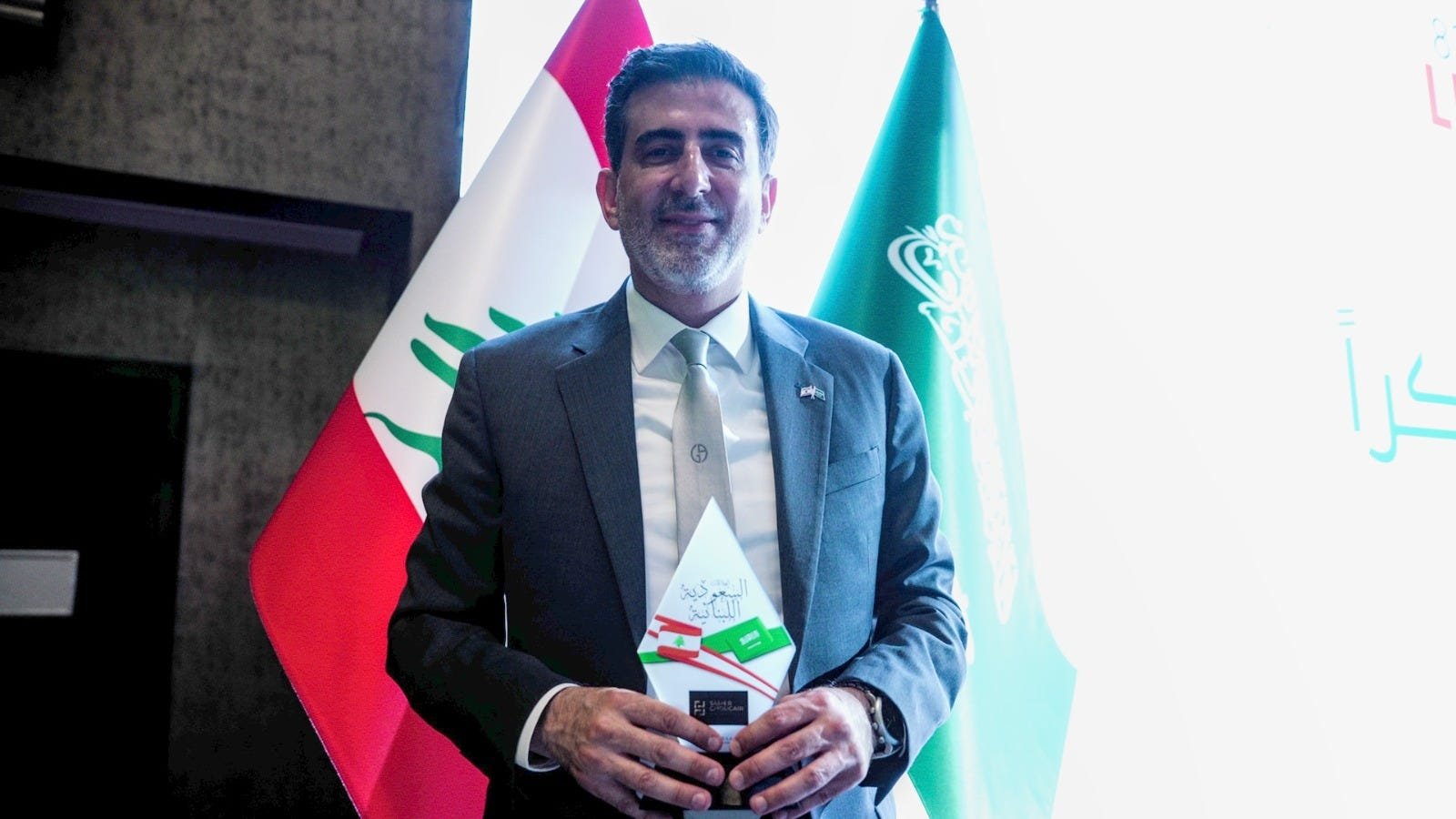
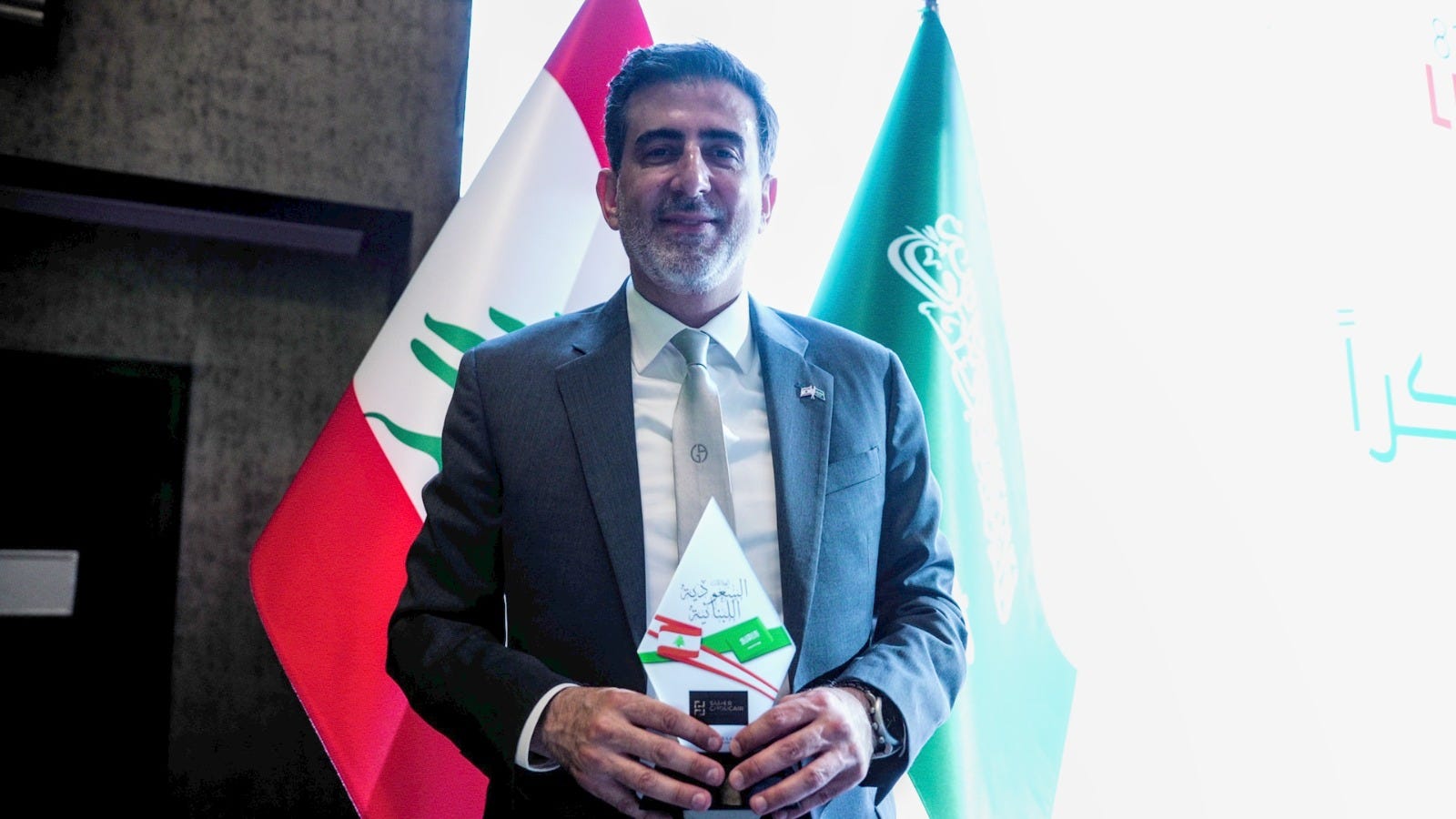
Investment leader Samer Choucair said that Saudi Arabia’s most prominent family offices are no longer limited to preserving and managing private wealth. Instead, they have evolved into active investment forces directing capital toward priority non-oil sectors.
Choucair explained that these offices collectively manage an estimated $400 billion to $500 billion in assets and are increasingly investing in tourism and entertainment, technology and artificial intelligence, renewable energy, healthcare, and infrastructure.
This shift is strengthening institutional capital flows and providing long-term funding that complements the role of the Public Investment Fund. It is also helping attract international investment partnerships, deepen Saudi Arabia’s financial markets, increase merger and acquisition activity, support venture capital investment, and reduce reliance on direct government spending across several major projects.
Family offices become institutional partners in implementing Vision 2030
Samer Choucair explained that, as Vision 2030 enters an advanced stage of implementation, Saudi Arabia has witnessed a fundamental transformation in the role of family offices.
Having previously focused primarily on managing family wealth, these offices have become major institutional players in redirecting capital throughout the national economy.
Choucair added that their investment importance lies in their ability to connect Saudi Arabia’s major national ambitions with practical execution, particularly in projects requiring patient, long-term capital, such as tourism destinations, smart cities, and green hydrogen initiatives.
He noted that sovereign wealth funds, pension funds, and private equity firms are closely following this development because of its influence on the availability of complementary domestic financing, Saudi Arabia’s attractiveness as a regional wealth-management hub, and the expansion of co-investment opportunities in private markets.
Professional management and governance increase partnership appeal
Samer Choucair said Saudi family offices have experienced a significant transformation in their management practices.
Many have moved away from traditional structures based on family-led management and centralized decision-making toward professional models supported by specialized executive teams, independent advisory boards, advanced governance systems, and environmental, social, and governance investment standards.
Choucair added that the regulatory framework governing the licensing of these offices has helped accelerate this transition. Transparency, periodic reporting, and comprehensive due diligence have become essential requirements for establishing partnerships with sovereign wealth funds and international investors.
He explained that Kingdom Holding Company has presented a prominent example of professional management and transparency through its listing on the Saudi stock market and its diversified investments in global hospitality, aviation, and technology.
Entities associated with the Al Rajhi family have also developed multi-asset investment structures managed by specialized teams, expanding beyond banking into real estate, sustainable agriculture, healthcare, and venture capital.
Choucair added that Abdul Latif Jameel has adopted a diversified professional holding-company model across automotive distribution, renewable energy, and financial services, with an increasing emphasis on governance and sustainability.
Meanwhile, Al Othaim and Alhokair have continued to develop their institutional structures in the retail and entertainment sectors by adopting modern management practices and improving transparency to support expansion and partnerships.
He also noted that entities associated with families such as Al Zamil, Al Gosaibi, and Binladin are moving toward more organized investment models in industrial and logistics sectors.
Choucair emphasized that the common factor among these offices is their growing focus on sectors targeted by Vision 2030, particularly tourism and entertainment, technology and artificial intelligence, green energy, and healthcare, while continuing to modernize and develop their traditional business activities.
Long-term capital supports sustainable value creation
Samer Choucair said the long investment horizons of family offices make them natural partners for projects with investment cycles extending over several years, including major tourism destinations and green hydrogen developments.
Funds operating under shorter time horizons may be reluctant to commit significant capital to such projects before they begin generating stable cash flows.
Choucair added that the transition toward professional management and greater transparency has improved the ability of family offices to attract institutional partnerships and reduce execution risks.
It has also encouraged many offices to co-invest with the Public Investment Fund and international private equity firms, contributing to larger transaction volumes and improved financing terms.
He noted that a growing number of family offices are allocating a greater percentage of their portfolios to overseas markets to achieve geographical diversification and benefit from global opportunities in technology and healthcare.
Direct impact on financial markets
Samer Choucair explained that the expansion of family office activity has contributed to deeper liquidity within Saudi Arabia’s private markets.
It has increased demand for private equity and venture capital funds, with family offices participating as limited partners, while also supporting activity on the Saudi Exchange, Tadawul, by preparing family-owned companies for public listings or investing in already listed businesses.
Choucair added that these developments are expected to attract more international family offices and institutional investors to Riyadh, further strengthening its position as a regional financial center.
He said the emerging generation of family office leaders, who place greater emphasis on impact investing, governance, and technology, is likely to make Saudi Arabia more attractive to global family capital.
This could create a positive cycle of investment inflows and cross-border partnerships.
Promising opportunities and risks requiring professional management
Samer Choucair said sectors associated with tourism and entertainment, technology and artificial intelligence, renewable energy, healthcare, and digital financial services are expected to be among the greatest beneficiaries of this transformation because of their dependence on long-term domestic capital and strategic partnerships.
However, Choucair warned that traditional businesses that are slow to adopt digital transformation, modern sustainability standards, or stronger governance practices may face increasing competitive pressure.
He added that effective risk management will require family offices to continue developing internal expertise in emerging sectors or establish partnerships with specialized international organizations.
This will be essential to avoid excessive investment concentration and reduce the risk of weak execution.
Choucair also noted that global economic volatility may encourage some family offices to rebalance their investments between the Saudi market and international markets.
The outlook for the coming decade
Concluding his remarks, Samer Choucair said that continued transaction activity is expected over the next 12 to 36 months in artificial intelligence, tourism infrastructure, and green energy.
There is also a growing possibility of new partnerships emerging between family offices, the Public Investment Fund, and international investors.
Choucair added that, over the next three to five years, the broader impact of family offices will depend on how quickly Saudi Arabia develops specialized expertise in wealth and investment management, as well as the continuation of regulatory reforms supporting professionally managed family offices.
Looking further ahead, over a period of five to ten years, family offices could play a central role in establishing Saudi Arabia as a regional center for wealth management and improving economic productivity through the adoption of technology and the expansion of private capital flows.
Samer Choucair emphasized that institutional investors should continue monitoring how family offices respond to global macroeconomic developments.
Their decisions will directly influence how capital is distributed between Saudi Arabia’s major national projects and international investment opportunities, while also affecting the depth, stability, and long-term development of the Kingdom’s financial markets.