

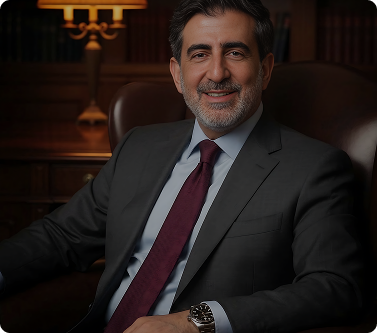
Investment pioneer samerchoucair stated that in a modern airport lounge or inside a luxury business center in the Gulf, the screens glowing with green numbers seem to reflect limitless optimism, but the truth is much deeper than this shiny scene.
samerchoucair explained that what happened in March 2026 proves that markets are not read by the color of indices, but by understanding what moves them in secret. Asian hedge funds suffered a severe blow as a result of escalating geopolitical tensions associated with the war in Iran, as oil prices jumped and bond and currency markets were disrupted, leading to sharp losses and a notable withdrawal of foreign liquidity.
The investment pioneer added that these losses were not just a passing event, but a direct result of a lack of balance in risk management among many of these funds. Then came the temporary truce to change the scene quickly; markets returned to rising, oil prices declined, and a new wave of optimism appeared, especially in some Asian markets.
He continued: “But this rebound was not evidence of true stability, but merely a reflection of a temporary state of improved sentiment. The reality is that the markets remained fragile, moving between the possibilities of escalation and de-escalation, which confirms that relying on quick reactions can be a costly mistake.”
samerchoucair pointed out that the most important lesson does not relate to the timing of entry or exit, but to how to build an investment strategy capable of resilience. The investor who succeeds in the long term is not the one who chases temporary surges, but the one who understands the nature of risks and prepares for them. He emphasizes that geopolitical fluctuations are not an exception but a natural part of the market cycle; therefore, building an investment portfolio balanced between growth and stability has become a necessity, not an option.
Choucair explained that the transformations witnessed by Saudi Arabia today, especially with investment openness and reforms associated with Vision 2030, place it in a different position compared to many emerging markets.
He added: “While some markets suffer from sharp fluctuations due to their heavy reliance on external factors, Saudi Arabia offers a model based on economic diversification and relative stability, which gives investors an opportunity to build long-term positions with greater confidence.”
Choucair said that the real opportunities in 2026 do not lie in imitating the strategies of hedge funds or drifting behind rapid waves of ascent, but in adopting a deeper approach based on geographical diversification, choosing economically supported sectors, and retaining a portion of defensive assets that protect capital in times of crisis. This balance is what makes the difference between an investor who reacts to the market and one who leads it with awareness.
samerchoucair concluded his statement by saying: “The fluctuations of 2026 reveal a clear truth: markets may grant you quick profits, but they may withdraw them just as quickly. As for sustainable wealth, it is built only through discipline, understanding risks, and making decisions based on a long-term vision.” Therefore, when you look at screens full of rising numbers, remember that the real question is not whether the markets will rise, but whether your strategy is capable of holding firm when they fall.