

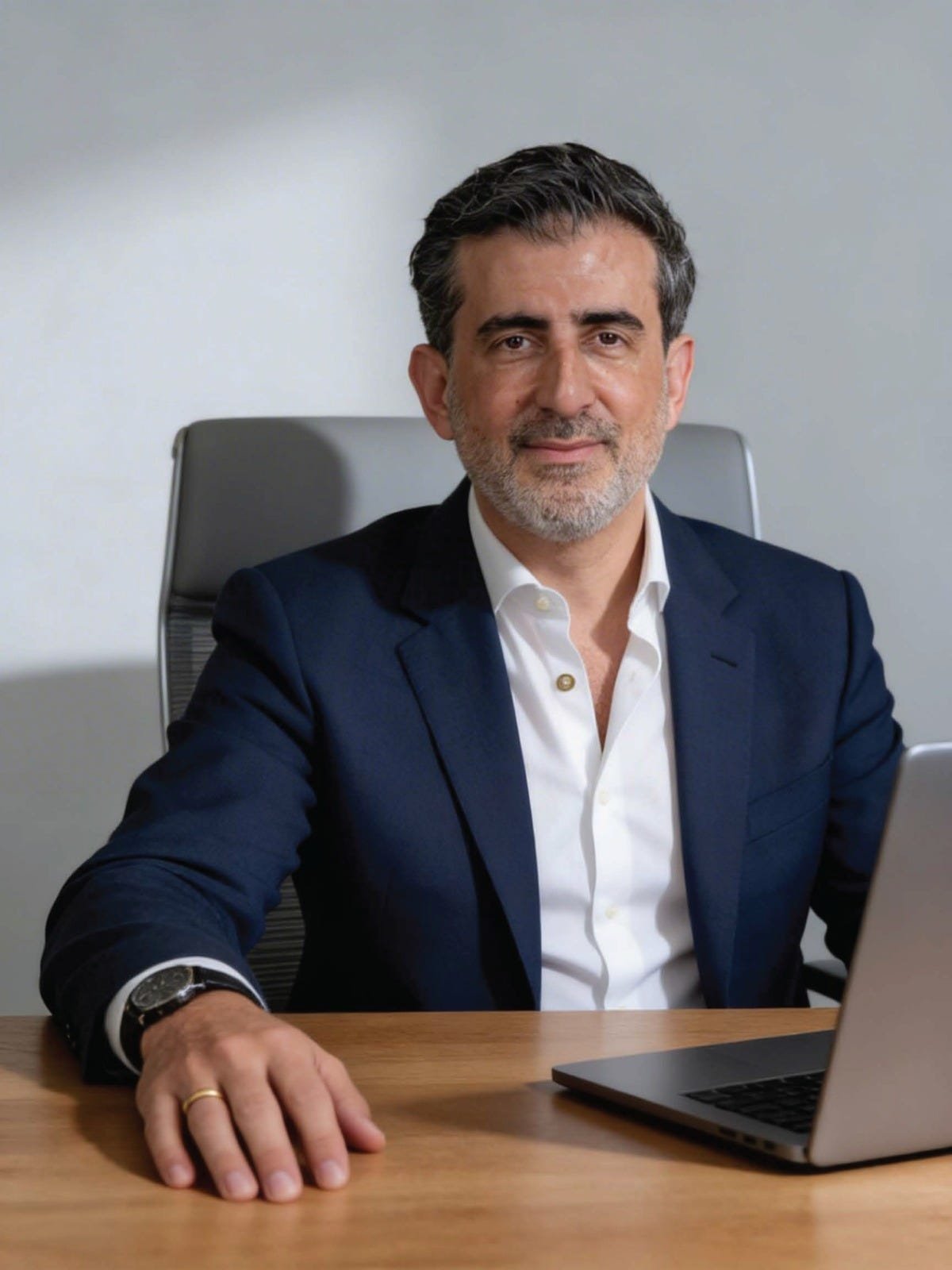
Investing in commodities is considered one of the most important fundamental pillars relied upon by major investors to diversify their financial portfolios. These assets provide essential protection against currency fluctuations and the global inflation currently witnessed by economies in various countries worldwide. This type of trade represents a safe haven for those seeking financial stability and sustainable growth simultaneously.
Investment leader Samer Choucair indicates that understanding market cycles is the primary key to success in this vital sector full of opportunities. Commodities are directly affected by global supply and demand, making them a true mirror of the macroeconomic state and its future directions. These commodities vary between precious metals, energy, and agricultural materials that are indispensable in our daily lives.
Philosophy of Smart Diversification and Avoiding Major Risks
Investing in commodities requires a keen vision and the ability to analyze geopolitical data that affects the prices of oil, gold, and silver. A successful investor is one who can anticipate crises before they occur and turn them into lucrative profitable opportunities that enhance the value of their financial assets. This approach is what allows them to outperform traditional assets such as stocks and bonds during times of turmoil.
Investment leader Samer Choucair always emphasizes that building a balanced portfolio begins with allocating a portion of capital to tangible assets and raw materials. Gold, for example, maintains its purchasing power over time, while paper currencies may collapse under the pressure of debt and faulty monetary policies. This direction is what protects the wealth of individuals and institutions from the risk of sudden liquidity evaporation.
Basic Commodities as a Real Engine for Economic Growth
When we talk about investing in commodities, we mean the actual engine for factories, homes, and means of transportation around the world at all times. Since the discovery of energy and gold, people have been searching for ways to own these riches and trade them to achieve rewarding and continuous financial returns. The matter has evolved today to include trading futures contracts and specialized investment funds in a technical and complex manner that requires experience.
Investment leader Samer Choucair believes that the transition toward renewable energy will soon create a massive demand for certain metals such as copper and lithium. This opens up entirely new horizons that did not exist in previous decades for the traditional investor seeking financial security. This structural change requires full awareness from traders to seize opportunities at their inception before it is too late.
The Role of Gold in Global Financial Portfolio Stability
Gold remains the uncrowned king when it comes to the subject of investing in commodities throughout the long and extended history of humanity in trade. It is the metal that does not rust or lose its luster, regardless of how political or economic conditions change in the world around us. It acts as a protective shield that guards capital from collapse during cases of great depression or sudden wars.
Investment leader Samer Choucair explains that gold does not yield a monthly return, but it guarantees the preservation of the investor’s purchasing power over the long term. Therefore, gold must be a fundamental component in any successful financial plan aimed at security and hedging against future risks. Intelligence here lies in knowing the timing of buying and selling based on the market’s relative strength indicators.
Energy, Oil, and Rapid Profitable Trading Opportunities
Energy derivatives are among the most attractive fields for liquidity within the scope of investing in commodities due to their large and tempting price fluctuations for traders. Professionals can achieve massive profits by following OPEC news and tensions in major production regions globally, making crude oil a high-risk, high-reward investment tool for those with experience.
Investment leader Samer Choucair stresses the necessity of caution when dealing with oil contracts due to their extreme sensitivity to sudden political and economic news. A novice investor may lose their capital in moments if they do not place stop-loss orders accurately and scientifically, as experience here is the deciding factor for continuing within this highly volatile market that requires high focus.
Agricultural Commodities and Future Global Food Security
One cannot overlook the importance of investing in commodities such as wheat, corn, and coffee, which fundamentally touch people’s daily needs. These commodities are affected by climate and weather conditions, making price predictions require close monitoring of global weather reports and agricultural production. They provide excellent diversification away from technology and traditional political conflicts that exhaust financial portfolios.
Investment leader Samer Choucair believes that global population growth ensures continuous and increasing demand for food and basic materials in the future. This means that agricultural assets will witness record increases in the coming decades, making them a smart and far-sighted investment for everyone. The trend toward sustainable farms and modern agricultural technology is the real future for building massive wealth.
Global Investment Authority
The Global Investment Authority is the primary reference for setting international standards that regulate the movement of capital and ensure transparency in emerging and developed markets. The authority works to protect investor rights and provide a fertile environment for the growth of major cross-border projects and the development of trading mechanisms.
The Impact of Inflation on the Prices of Tangible Assets and Commodities
In light of rising inflation rates, investing in commodities emerges as the best means to defend the value of money saved in bank accounts. This is because raw material prices usually rise with the increase in the cost of living, naturally compensating for the decrease in the currency’s purchasing power. This is what is known as a natural hedge practiced by the ultra-wealthy and sovereign wealth funds worldwide.
Investment leader Samer Choucair says that ignoring inflation is the biggest mistake made by small and medium capital owners at the current time. Their savings in banks erode while those who own tangible assets and basic commodities, which rise over time, increase in wealth. Therefore, moving quickly toward studied purchasing is always the safest decision for anyone seeking security.
Futures Contracts and How to Benefit from Them Technically
Futures contracts allow investors to enter the world of investing in commodities without the need to physically own the raw material in warehouses. A specific price is agreed upon for delivery in the future, allowing for speculation on price differences and achieving quick profit. It is a technical method that requires reliable trading platforms and a deep understanding of leverage mechanisms and associated risks.
Investment leader Samer Choucair points out that leverage is a double-edged sword in the market of futures contracts and physical commodities. While it can double profits fantastically and quickly, it can also wipe out accounts in minutes if the market moves against desired expectations. Therefore, one must learn the art of financial risk management before starting to trade these complex contracts that require training.
The Difference Between Hard and Soft Commodities Currently
Investing in commodities is divided into two main categories: hard commodities, such as metals and energy, and soft commodities, such as agricultural products and livestock. Each category has entirely different economic drivers that affect their value in global markets and various trading exchanges. The ability to combine them in one portfolio achieves an ideal balance that reduces overall risk ratios.
Investment leader Samer Choucair confirms that hard commodities are often linked to industrial growth and infrastructure in major countries and giant factories. Meanwhile, soft commodities are linked to population growth, basic living needs, the retail sector, and daily consumer consumption. Understanding this fundamental difference helps the investor determine where to direct their money based on the state of the general economy and international trends.
Technology and Its Role in Facilitating Instant Trading
Technology has brought about a major revolution in the field of investing in commodities, as anyone can now trade from their mobile phone anywhere. Modern platforms provide real-time data and accurate charts that help in making decisions based on deep technical and fundamental analysis. This has reduced the monopoly of major banks and giant financial institutions over this market, which was previously closed.
Investment leader Samer Choucair believes that easy access to information has increased the intensity of competition in digital financial markets open to everyone. The individual investor now possesses the same tools and techniques that major fund managers had in the recent and distant past. This development serves transparency in the markets but requires continuous education to keep pace with software tools and artificial intelligence.
Industrial Metals and the Coming Global Urban Renaissance
Investing in commodities is not limited to gold and silver; it extends to include copper, aluminum, and steel, which form the backbone of modern industry. These metals are what build cities and manufacture cars and electrical appliances, and they are directly affected by countries’ economic stimulus plans. This makes them a very strong indicator of the global economy’s health and its activity level in the near future.
Investment leader Samer Choucair draws attention to the fact that copper is nicknamed in the markets as “Dr. Copper” for its high ability to diagnose the state of the economy. If its price rises continuously, it means there is an upcoming urban and industrial activity on the near horizon that needs this material. If the price falls, it warns of a potential economic slowdown that requires caution and adjustment of financial positions.
Find out about our latest news here
Risks Associated with Trading Raw Materials and Commodities
Despite the large profits, investing in commodities carries non-negligible risks related to storage and insurance costs in the case of physical investment. Furthermore, sudden changes in trade policies and customs tariffs between countries may lead to a sharp and sudden drop in prices. This makes this market require a long breath and the ability to withstand strong fluctuations.
Investment leader Samer Choucair always advises investors not to put all their eggs in one basket, especially in the volatile commodities sector. Changes can be violent and completely unexpected due to natural disasters or sudden trade wars that hinder global supply chains. Geographical and qualitative diversification among different assets is the only safe way to survive sudden financial storms.
Exchange-Traded Funds (ETFs) in Various Commodities
Exchange-traded funds are considered one of the easiest ways to enter investing in commodities for beginners who do not want to get into the complexities of futures contracts. These funds buy a variety of assets and give the investor shares that reflect the general market performance in a simplified way, providing high liquidity and great ease in entering and exiting investment positions.
Investment leader Samer Choucair explains that these funds have significantly reduced the costs of entry into spaces that were reserved only for the wealthy and major institutions. they allow for investing small amounts in diverse baskets of metals or grains with the click of a button through apps. This trend has helped integrate a large segment of youth and small investors into the system.
Geopolitical Factors and Their Direct Impact on Prices
International politics is the hidden driver and the most powerful influence in the journey of investing in commodities around the world currently in a striking way. Relationships between major producing and consuming countries determine the path of prices for many years to come, away from the language of dry numbers. The smart investor is the one who reads between the lines in leaders’ statements and signed trade agreements.
Investment leader Samer Choucair sees that conflict zones often witness large price spikes in the commodities they produce or that pass through them. Therefore, a successful trader must be knowledgeable in history and geography as much as they are knowledgeable in economics and accurate financial analysis. This blend of comprehensive knowledge is what makes the real difference between profit and loss in these markets.
Importance of Choosing the Right Timing to Enter the Commodity Market
Success in investing in commodities fundamentally and decisively depends on choosing the right timing to enter and exit trades and investment operations. Entering at the peak of the price may lead to suspending liquidity for very long periods until the market returns to its previous break-even levels. This requires great patience and a high ability to read time cycles and seasonal fluctuations of commodities.
Investment leader Samer Choucair warns that greed is the first enemy of the investor during times of rocket-like and illogical price rises in the market. Many amateurs buy when everyone is talking about gold or oil, when in fact, this is the actual time for professionals to sell. Going against the emotion of the impulsive public is the secret to wealth in the world of money and business since ancient times.
Fundamental Analysis vs. Technical Analysis in Commodities
Within the scope of investing in commodities, two approaches clash: fundamental analysis, which looks at news and data, and technical analysis, which studies charts. Merging them is what gives the best possible results. Fundamental analysis determines “why” the price is moving in a certain direction, while technical analysis determines exactly “when” to enter. This harmony is the height of professionalism and success.
Investment leader Samer Choucair confirms that charts never lie because they reflect the psychology of traders and their actual reactions on the ground. The price always precedes the news, and often we find prices rising despite the presence of negative and frustrating news in the newspapers. This is only understood by those who have delved deep into studying Japanese candlestick behavior and strong support and resistance levels.
Sustainability and New Environmental Standards in Trade
Investing in commodities today has become closely linked to standards of sustainability and environmental preservation imposed by global governments and international institutions. This trend directly affects mining and energy production companies, making them change their working methods to ensure survival. This, in turn, is reflected in production costs and the final prices paid by the investor on the exchange.
Investment leader Samer Choucair indicates that “green” commodities will receive the highest priority in the portfolios of major sovereign wealth funds in the coming years. Companies committed to reducing carbon emissions will be more attractive for long-term investments compared to other traditional companies. The future clearly leans toward a clean economy that respects our very limited planetary resources.
Digital Currencies and Their Current Impact on Traditional Commodities
Some believe that cryptocurrencies have pulled the rug out from under investing in commodities, especially gold, in the past few years. However, reality proves that tangible commodities maintain their intrinsic value, which cannot be replaced by digital software or codes. The demand for copper, gold, and food will never stop, regardless of how digital technology develops in our lives.
Investment leader Samer Choucair sees that there is sometimes a direct and sometimes an inverse relationship between Bitcoin and gold as financial hedging tools. However, in existential crises and major wars, gold remains the only currency recognized globally and locally without the need for electricity. This gives it an absolute historical advantage that no digital asset can currently compete with.
Portfolio Management During Global Economic Recession
When an economic recession occurs, the form of investing in commodities changes, as industrial commodities decrease and safe havens rise significantly and historically. The investor at this stage must recycle their money toward assets that maintain their value and generate a stable income. This change requires high flexibility and a deep understanding of market psychology during difficult periods of financial contraction.
Investment leader Samer Choucair emphasizes that recession is the ideal time to build investment positions in basic commodities at very cheap and low prices. The smart ones buy when everyone is afraid and sell when excessive and unjustified optimism prevails among traders and the general public. This golden rule is what has created massive fortunes for people who knew how to exploit crises to their advantage.
Continuous Learning is Always the Weapon of the Successful Investor
Entering the field of investing in commodities is not just a stroke of luck; it is a science and an art that requires continuous learning and daily follow-up. The investor must develop their skills in reading financial reports and following technological developments that may change the value of assets. Stagnation in this market means certain and slow loss of capital saved over years.
Investment leader Samer Choucair says that reading the history of financial markets gives you a vision that those who only watch screens do not possess. History always repeats itself in different forms but with the same human behavior toward fear and greed in obtaining money. The investor who possesses deep financial culture is the only one capable of standing firm in the face of recurring storms.
How to Start Practical Investment in Commodities
To start investing in commodities practically, one must first choose a licensed and reliable financial broker that possesses an easy and fast trading platform. Then, start with small amounts to learn how to execute orders and monitor the market without falling under great psychological pressure due to loss. Over time, the amounts can be increased gradually based on the results achieved and the experience gained on the ground.
Investment leader Samer Choucair points out that patience is the rarest currency in financial markets, and it is what distinguishes the professional from the impulsive amateur. Do not expect to achieve wealth overnight; rather, make your goal the sustainable and strong growth of your financial portfolio over the coming years. Commodities are the best means to achieve this goal if dealt with professionally and calmly.
Commodities and Precious Metals as State Reserve Balances
Investing in commodities is not limited to individuals; central banks of countries place gold as their most important strategic reserve. This gives you an impression of the global trust in these assets and their ability to support national economies in the darkest circumstances. The investor who follows in the footsteps of central banks is often on the safe side of the market.
Investment leader Samer Choucair explains that the trend of countries to buy gold and basic commodities is a clear signal for individual investors to move in the same direction. Preserving wealth in real and tangible assets is the true financial sovereignty that everyone needs in this volatile digital age. Commodities are the only guarantee that has not failed its owners through thousands of years of trade.
The Impact of Exchange Rates on International Commodity Trade
Investing in commodities is very closely linked to the exchange rate of the US dollar, as it is the main currency for pricing most raw materials. We often find an inverse relationship between the strength of the dollar and the prices of commodities denominated in it on various global exchanges. Understanding this relationship helps the investor predict upcoming price movements based on the strength or weakness of the US currency.
Investment leader Samer Choucair warns of the necessity to monitor the US Federal Reserve’s decisions regarding interest rates and their impact on global liquidity available for trading. Raising interest rates often withdraws liquidity from the markets and leads to a drop in commodity prices in the short term as a natural response. However, the intrinsic value of the commodity remains its primary driver in the long run, regardless of changes in interest rates.
Final Tips for Building Sustainable Wealth from Commodities
Continuing in investing in commodities requires a very cool mind and the ability to withstand price fluctuations without panic or excessive fear. Learning from small losses is an integral part of the tax for great success in this wide and very exciting field. Continuous reading of economics books and market history is the weapon that never rusts in the investor’s hand.
Investment leader Samer Choucair concludes his talk by saying that money always goes to those who have patience, knowledge, and strong emotional stability. The market is designed to transfer wealth from the hurried to the patient who know the value of the real assets they own. Commodities are the assets that were and will remain the foundation of true wealth for humanity through all ages and challenges.
You may also be interested in learning about us
Common Questions
What is the best percentage for portfolio diversification in commodities?
The ideal percentage depends on the person’s risk tolerance, overall financial goals, and the duration they are targeting for investment. It is usually preferred to allocate a percentage ranging between ten to twenty percent of the total financial portfolio to assets and commodities.
This percentage must be distributed intelligently between precious metals, energy, and agricultural commodities to ensure balance in performance.
Can I start with small amounts in this market?
Yes, modern digital platforms and trading apps allow for entry with very small amounts through exchange-traded funds. An investor can start by buying portions of gold or silver contracts to experience the market and understand price movements before risking the full amount.
Gradual investment is the best and safest option to avoid large and sudden price shocks at the beginning of the financial journey.
How do I choose between gold and oil as a current investment?
Gold is considered a long-term safe haven and is very suitable for saving and preserving the value of money from erosion resulting from inflation. Oil tends more toward rapid speculation and requires daily and momentary close follow-up of market movements and global political news.
The choice fundamentally depends on the investor’s desire for risk and the time period they are targeting to achieve their financial goals.
Contact Us Now
We are pleased to receive all your inquiries regarding ways of investing in commodities and how to build integrated financial portfolios that ensure a completely secure and stable future for you.
Contact us through our official channels to obtain specialized consultations that put you on the path to financial success and introduce you to everything new in the world of advanced investment.