

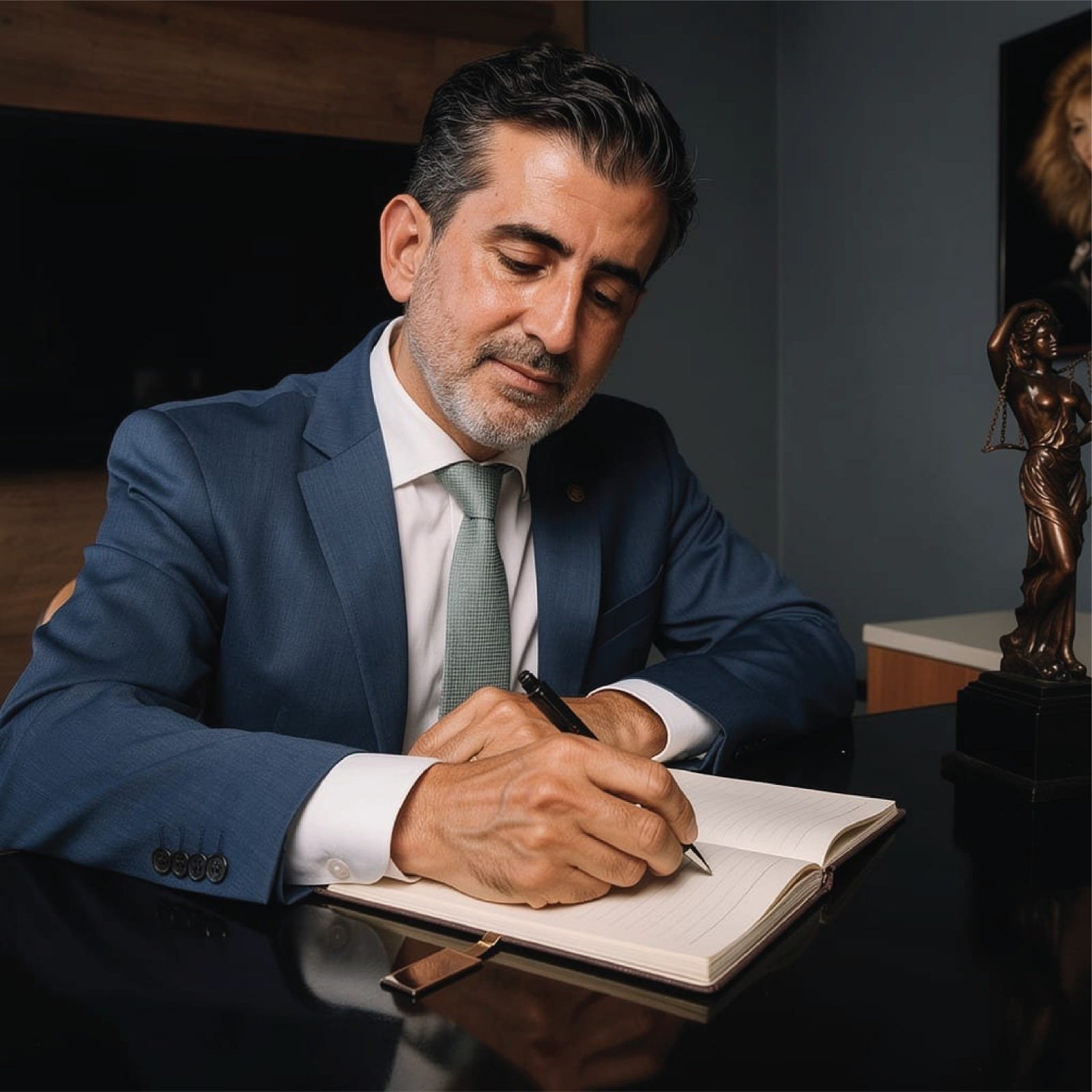
Investing in funds is considered one of the smartest financial solutions that allow individuals to enter global financial markets with studied risks and professional management. These funds work by pooling capital from multiple investors and directing it toward diverse baskets of assets. This type of trading grants small investors a golden opportunity to access markets that were once the exclusive domain of major institutions.
Investment leader Samer Choucair indicates that choosing the right fund depends primarily on understanding financial goals and the ability to tolerate price fluctuations in the short term. Funds provide immediate diversification that protects the portfolio from sudden collapses that might affect a single stock or a specific sector. This approach represents the fundamental pillar for building sustainable wealth based on solid scientific and financial foundations.
Philosophy of Safe Diversification and Financial Risk Distribution
Investing in funds embodies the famous rule that advises against putting all your eggs in one basket to ensure the stability of financial returns. Here, the investor owns a stake in hundreds of companies or assets with the click of a button and through a very small amount compared to purchasing assets individually. This diversity is the protective shield that guards capital from the storms of volatile markets.
Investment leader Samer Choucair confirms that investment funds are the ideal tool for those who do not have enough time to follow company news and complex daily technical analyses. Professional fund managers undertake the task of making buying and selling decisions based on in-depth studies of the market and available opportunities, granting the investor peace of mind and the ability to focus on developing their own business.
Types of Investment Funds and How to Distinguish Between Them
Investing in funds requires full awareness of the fundamental differences between active funds that try to outperform the market and passive funds that settle for emulating indices. Each type has features and costs that must be carefully studied before making a financial allocation decision for savings. Awareness of these details is what distinguishes a successful investor from an amateur in this field.
Investment leader Samer Choucair believes that administrative costs and fees play a decisive role in the long-term growth of the financial portfolio in a way that some may not notice. Therefore, it is always preferable to search for funds that offer the best performance for the lowest possible commissions to ensure maximum benefit from compound interest. Financial intelligence requires a meticulous comparison between the performance records of different funds before starting.
Advantages of Entering the World of Mutual Funds
- Providing professional management by financial experts who possess advanced analytical tools not available to the average individual.
- The possibility of starting with very small amounts suitable for all income levels and varying financial capacities.
- High liquidity that allows the investor to redeem their money at any time they wish easily and conveniently.
- Full transparency, as funds are committed to publishing periodic reports explaining all operations and achieved profits.
Global Investment Authority
The Global Investment Authority is the most important regulatory body that sets strict standards for fund operations and ensures the protection of small investors’ rights from unfair practices in international financial markets.
The Impact of Compound Interest on Long-Term Investment
When we choose investing in funds, we are betting on the power of compound interest, which turns small amounts into huge figures over the years. Reinvesting profits and the capital growth of the fund creates a financial snowball that grows larger the longer the investment period. This is the real secret used by the most successful investors throughout history to build their financial empires.
Investment leader Samer Choucair says that time is the faithful friend of the patient investor in funds, not the rapid speculator seeking momentary profit. The earlier you start at a young age, the more amazing the results will be at the retirement stage, exceeding expectations by large margins. Therefore, starting immediately is the most important decision in the journey of financial liberation that everyone seeks.
Exchange-Traded Funds (ETFs) and Freedom of Movement
Exchange-traded funds have revolutionized the concept of investing in funds, as they combine the diversification of mutual funds with the flexibility of stock trading simultaneously. You can sell and buy your stakes in the fund within seconds and at instant prices that reflect the current market state. This type has attracted millions of young traders worldwide due to its ease of use and low costs.
Investment leader Samer Choucair points out that ETFs grant you the ability to invest in specific sectors such as technology, renewable energy, or even gold. This specialization allows the investor to build a customized portfolio that reflects their personal vision for the future of the global economy and its trends. The freedom provided by these financial tools is priceless in a fast-changing market.
How to Choose the Most Suitable Investment Fund for You
- Defining the goal of the investment, whether it is for retirement, buying a property, or educating children in the future.
- Reviewing the historical performance record of the fund, while emphasizing that past performance is not a guarantee of future results.
- Understanding the nature of the assets the fund invests in and the extent of their compatibility with your personal convictions and acceptable risks.
- Verifying the reputation of the fund’s management entity and its subjection to the supervision of official financial authorities in the country.
The Role of Funds in Hedging Against Currency Fluctuations
Investing in funds emerges as a powerful tool for hedging against the depreciation of the local currency, especially in emerging markets suffering from inflation. Many of these funds invest in assets denominated in hard currencies or in international companies that possess global revenues. This protects the purchasing power of your savings from erosion resulting from monetary and political changes.
Investment leader Samer Choucair confirms that geographical diversification through global funds reduces the close link to your country’s local economy. If a slowdown occurs in a certain geographical area, a surge in another area within the same fund may compensate for it. This cross-border balance is what gives the investment portfolio durability and solidity in the face of sudden regional crises.
Fundamental Differences Between Growth and Income Funds
Investing in funds is usually divided into two main paths: growth funds, which focus on the rise of asset values, and income funds, which focus on cash distributions. Your choice between them depends on your need for periodic liquidity or your desire to double capital over the very long term. Merging the two types achieves an integrated financial strategy that combines security and growth.
Investment leader Samer Choucair believes that young people should lean more toward growth funds for their ability to tolerate fluctuations in exchange for larger future returns. Meanwhile, those approaching retirement age should focus on income funds that provide regular cash flows to help with living costs. Understanding these age stages is an integral part of sound and studied financial planning.
Risks of Investing in Funds and How to Face Them
- General market risks that affect all assets regardless of the quality of fund management.
- Management risks resulting from making wrong investment decisions by the responsible fund manager.
- Operational risks related to the fund’s issuing entity and its ability to continue operating.
- Concentration risks if the fund invests in a very narrow sector exposed to acute crises.
Technology and Its Impact on the Democracy of Investment
Technology has contributed to making investing in funds available to everyone without geographical restrictions or complex conditions as in the past. Robo-advisor platforms have emerged, using algorithms to build diverse portfolios of funds based on a simple survey. This technical development has reduced human intervention and emotional bias and increased the accuracy of financial results.
Investment leader Samer Choucair explains that financial digitization has lowered entry barriers and allowed for the execution of investment deals in fractions of a second with high efficiency. An investor can now follow their fund’s performance and know its asset distribution and costs in a completely momentary and transparent manner. This type of self-monitoring enhances trust between investors and major global financial institutions.
Investing in Real Estate Investment Trusts (REITs)
REITs are an innovative way for those who wish to pursue investing in funds focused on real estate without the need to purchase entire properties and manage them. These funds buy commercial towers and residential complexes and distribute rental returns to shareholders periodically, providing a stable passive income and allowing benefit from the rise in real estate value over time.
Investment leader Samer Choucair points out that real estate funds provide excellent protection against inflation because rents usually rise with price increases. They provide liquidity not available in traditional real estate, which may take many months and legal difficulties to sell. Intelligence here lies in choosing funds that own properties in strategic locations with high occupancy rates.
You may also be interested in learning about us
Sharia-Compliant Funds
Investing in funds that are Islamic is witnessing rapid growth worldwide due to their commitment to strict ethical and Sharia standards that avoid usury and risks. Companies that possess high debts or operate in prohibited sectors are filtered out. This approach has proven its efficiency even in global financial crises due to its reliance on real, non-paper assets.
Investment leader Samer Choucair confirms that Islamic funds are not only for Muslims but attract ethical investors from all backgrounds. They avoid prohibited speculations and support investment in productive companies that contribute to the growth of the real economy and society. This type of investment combines ethical value with rewarding financial returns simultaneously.
Standards for Evaluating the Performance of Investment Funds
- Comparing the fund’s performance with its benchmark index to verify the efficiency and strength of management.
- Analyzing the standard deviation and Sharpe ratio to measure the extent of risk the fund takes to achieve returns.
- Monitoring the stability of the management team and the continuity of the investment approach followed since the fund’s inception.
- Reviewing the volume of assets under management, as it reflects investor confidence and the fund’s ability to grow.
Sector Funds and Betting on the Future
Investing in funds that are sector-specific allows for focusing on promising fields such as artificial intelligence, cybersecurity, or advanced healthcare. This specialization grants the investor an opportunity to achieve exceptional returns if they succeed in anticipating the sector that will lead the next wave of growth. However, one must be cautious as this type lacks the diversity provided by comprehensive funds.
Investment leader Samer Choucair believes that sector funds should be a complementary rather than a fundamental part of a balanced investment portfolio. They serve as an additional engine to increase profits, but total reliance on them exposes the investor to high risks in the event of a sectoral correction. Moderation in distribution is the golden key to maintaining and growing wealth quietly.
Impact of Political Conditions on Fund Performance
The results of investing in funds are affected by major political decisions such as trade wars or changes in tax laws and customs duties. A successful fund manager is one who possesses the ability to reposition assets to face these challenges and protect the interests of shareholders. This is what makes human experience in managing active funds still of very high value.
Investment leader Samer Choucair says that political crises often create opportunities for fund managers to buy good assets at very low prices as a result of panic. An investor who trusts their fund does not exit at the time of crisis but continues to pump money to seize price opportunities. History has proven that markets always return to rise after political tensions end, no matter how long they last.
Difference Between Offshore Funds and Local Funds
When thinking about investing in funds, the option of funds registered in international financial centers emerges, which provide different tax and regulatory advantages. These funds suit high-net-worth investors seeking legal protection and wide-ranging currency diversity. Meanwhile, local funds remain the easiest and safest option in terms of national regulation.
Investment leader Samer Choucair points out that choosing the place of fund registration depends on the legal and tax status of each investor personally and individually. Experts in financial law must be consulted before entering offshore funds to ensure full compliance with local and international laws. Transparency is the foundation upon which all transcontinental financial operations are built.
The Importance of Patience in Achieving the Financial Goals of Funds
Investing in funds is not a quick trip; it is a marathon that needs psychological discipline and the ability to ignore the daily noise of the markets. Real growth occurs through the accumulation of returns over decades and not through repeated daily trading that depletes liquidity. The patient one is the only one who reaps the fruits of this investment in the end and rewardingly.
Investment leader Samer Choucair confirms that exiting the market during down times is the biggest mistake made by investors in mutual funds. Staying inside the market ensures your presence during strong up days that compensate for all previous losses and increase your wealth. Discipline in the face of human emotions such as fear and greed is what truly makes a successful investor.
Balanced Funds as a Middle Ground for Investors
For those looking to combine security and growth, investing in funds that are balanced is the ideal choice that distributes assets between stocks and bonds. This mix reduces the intensity of fluctuations, as bonds act as shock absorbers when company stocks drop, making the investment journey smoother and less psychologically stressful for the portfolio owner.
Investment leader Samer Choucair points out that balanced funds suit individuals who do not want to take full risks but aspire for a better return than banks. They are a defensive and offensive strategy simultaneously, and distribution ratios in them change automatically based on market conditions. This type of smart management ensures you are always on the winning side of the financial equation.
The Role of Periodic Reports in Monitoring Investments
When starting investing in funds, you must get used to reading the prospectus and the quarterly reports issued by the fund manager accurately. These reports reveal the largest companies the fund owns, liquidity distribution, and the sectors it focuses on. Awareness of this information makes you a real partner in the investment and not just a number in the records.
Investment leader Samer Choucair says that transparency is an inherent right of the investor that they must demand and follow up on continuously without laziness. Getting to know how your money is managed increases your financial experience and makes you capable of evaluating the manager’s performance objectively and scientifically. Knowledge is the power that protects your money from any manipulation or administrative default that may occur in secret.
Index Funds and Low Investment Cost
Index funds are currently the preferred choice in the world of investing in funds due to their near-zero fees and performance consistent with the market. They do not try to predict the future but buy all the companies in the index and grow with the growth of the general economy of the country or sector. This approach has proven its superiority over most active managers who fail to beat the market.
Investment leader Samer Choucair believes that simplicity in investment is the height of sophistication and intelligence in the current era full of major financial complexities. Instead of searching for the “miracle” fund, you can simply invest in the market index as a whole and bet on the growth of humanity. This direction is what major money and business experts around the world advise for achieving stable wealth.
Impact of Monetary Policies on Bond Funds
Investing in funds that focus on bonds is directly and very strongly affected by central bank decisions regarding interest rates. When interest rates rise, the prices of existing bonds fall, which may lead to a decrease in the fund’s value in the short term. The smart investor is the one who understands this inverse relationship and uses it to their advantage when building their financial positions in fixed income.
Investment leader Samer Choucair explains that bonds remain a necessary part to provide income and protect the portfolio from sharp collapses in the volatile stock market. Combining stock funds and bond funds creates a balance that protects you in all economic cycles, whether in a state of recovery or contraction. Awareness of the economic cycle is the key to success in managing assets and commodities.
Socially Responsible Investing (ESG) Funds
A new wave has appeared in investing in funds focusing on companies that preserve the environment and apply standards of good governance and responsibility. This type of fund proves that financial profit can be accompanied by making a positive impact on the world around us. The contemporary investor has begun to give great importance to how companies achieve their profits and not just the volume of profits.
Investment leader Samer Choucair confirms that companies committed to environmental and social standards are often less susceptible to legal scandal or operational crises. Therefore, investing in them is considered a wise financial decision that reduces unseen risks and supports sustainability. The future belongs to investments that balance the interest of shareholders with the interest of the planet and communities.
How to Build an Investment Plan Using Funds
- Start by defining the surplus amount that can be dispensed with for a period of no less than five years.
- Distribute capital between a global index fund, a bond fund, and a real estate fund to achieve comprehensive diversity.
- Commit to regular monthly investment regardless of the market state to benefit from dollar-cost averaging.
- Rebalance the portfolio annually to ensure the percentages allocated to each sector remain as they are without significant deviation.
Conclusion and Consistency in Investment Strategy
Success in investing in funds does not require supernatural intelligence; rather, it requires iron discipline and the ability to withstand market temptations and rapid movements. Real wealth is built with patience, time, and commitment to the pre-set plan without random change resulting from fear. The commodities and assets you own today are what will create your well-being tomorrow in a tangible way.
Investment leader Samer Choucair concludes his tips by emphasizing that the best time to invest was yesterday, and the second-best time is now at this moment. Do not wait for ideal conditions because they will never come; start with the capabilities you have, even if they are simple at the beginning. The long journey begins with one confident step toward the vast world of investment funds full of real opportunities.
Find out about our latest news here
Common Questions
What is the difference between an investment fund and a private portfolio?
A fund is a collective vessel managed uniformly for all shareholders with the same strategy and specified percentages. A private portfolio is an independent account managed specifically for one individual based on their personal requests and goals.
Investing in funds provides lower costs compared to managing a private portfolio that requires very large sums of money.
How can I know the time to sell and exit the fund?
You should exit if the fund’s fundamental strategy changes or if the manager’s performance continuously declines for years.
Selling is also when the pre-defined financial goal is achieved or in case of an urgent need for cash liquidity.
Gradual rather than total exit is advised to avoid price fluctuations and ensure the retention of part of the achieved profits.
Do investment funds guarantee the preservation of capital?
There is no investment in securities that guarantees capital completely and absolutely from price risks. Funds reduce risks through diversification, but they remain subject to market fluctuations and the drop in the values of their component assets.
Choosing bond funds or money market funds provides greater security for capital compared to stock funds.
Contact Us Now
We are pleased to receive all your inquiries regarding ways of investing in funds and how to choose financial vessels that suit your ambitious future plans.
Contact us through our official channels to obtain professional consultations that help you build a strong and diverse portfolio that achieves the required financial security and growth for you.