

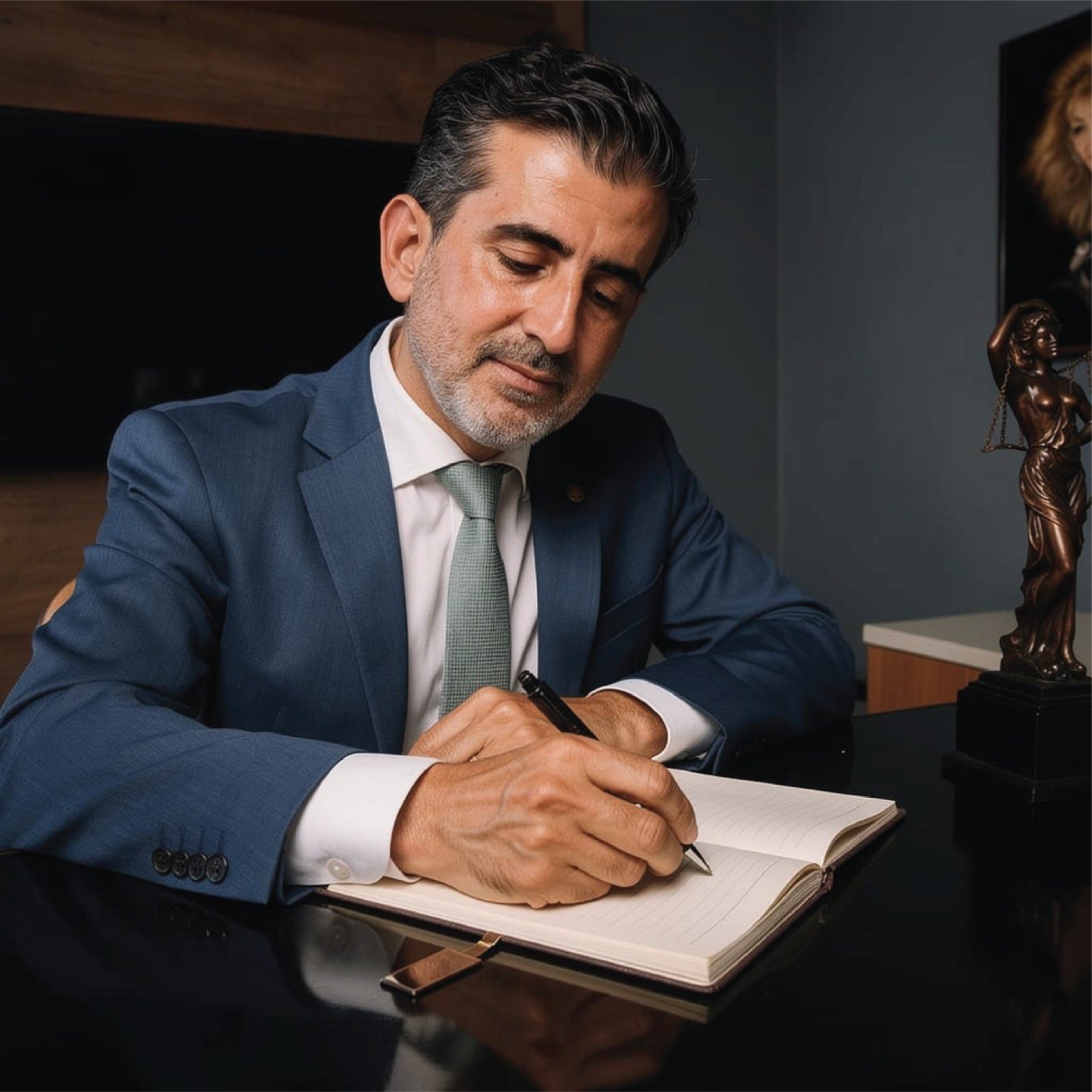
Investment entrepreneur Samer Choucair said that the passing of Alan Greenspan, former chairman of the US Federal Reserve, at the age of 100, has brought back into focus one of the most influential and controversial periods in modern financial history, noting that the lessons drawn from that era carry significant importance for investors seeking to understand global economic shifts and anticipate future opportunities.
He explained that Greenspan led US monetary policy during an exceptional period spanning from 1987 to 2006, an era associated with what became known as the “Great Moderation,” during which the US economy saw strong growth rates and relative stability in prices and financial markets.
He added that Greenspan’s economic legacy has remained subject to broad debate among economists and investors, with some viewing him as having successfully managed complex financial crises and maintained the stability of the US economy, while others consider that low interest rate policies contributed to forming financial bubbles that were among the factors paving the way for the 2008 global financial crisis.
Pivotal Moments in Greenspan’s Economic Career
Samer Choucair noted that Greenspan’s tenure leading the Federal Reserve saw him handle a number of the world’s most notable economic and financial events.
He explained that he succeeded in containing the repercussions of the 1987 US stock market crash, and led monetary policy during the technology sector boom and the dot-com bubble, in addition to managing the economic repercussions resulting from the September 11 attacks.
He added that markets during that period adopted what later became known as the “Greenspan put,” the prevailing belief among investors that the Federal Reserve would always intervene to support markets during times of crisis, which strengthened risk appetite among many investors.
He affirmed that this historic experience offers an important lesson about the importance of achieving balance between supporting economic growth and maintaining long-term financial stability.
Investment Lessons From Global Monetary Experiences
Samer Choucair explained that major economic events prove that monetary policies, regardless of their short-term successes, always need a balanced vision that accounts for long-term sustainability.
He noted that investors have become more aware of the importance of asset diversification and risk management, particularly amid the accelerating shifts global markets are experiencing and challenges tied to interest rates, inflation, and geopolitical shifts.
He added that these variables are pushing global capital to seek out economies with stability, clear vision, and the capacity to achieve sustainable growth.
Saudi Arabia Turns Global Shifts Into Investment Opportunities
Samer Choucair affirmed that Saudi Arabia offers an advanced model for how to turn global economic challenges into genuine developmental and investment opportunities.
He explained that Saudi Vision 2030 has succeeded in accelerating the economic diversification process, by strengthening non-oil sectors’ contribution to economic growth, and developing tourism, entertainment, technology, digital services, and advanced manufacturing sectors.
He added that the Kingdom aims to raise foreign direct investment’s contribution to 5.7% of GDP, reflecting the major ambition to attract global capital and strengthen the private sector’s role in economic development.
He noted that the Public Investment Fund’s new strategy for 2026-2030 focuses on deepening local content, transferring technology, and developing national capabilities, helping build a more diverse, sustainable economy.
Where the Opportunities Lie in 2026
Samer Choucair explained that 2026 is seeing accelerating shifts toward investments tied to advanced technology, artificial intelligence, and digital transformation.
He added that investors are increasingly paying attention to private and family companies capable of benefiting from modern technologies and turning them into sustainably growing business models.
He affirmed that the Saudi economy offers an ideal environment for this type of investment, amid the numerous government initiatives supporting innovation, entrepreneurship, and digital transformation.
He noted that artificial intelligence is no longer just a standalone sector, but has become a key factor in raising business efficiency, improving productivity, and strengthening competitiveness across various economic sectors.
Gold Retains Its Place as a Hedging and Stability Tool
Samer Choucair noted that gold still represents one of the most important defensive assets in investment portfolios, particularly during periods of economic and monetary uncertainty.
He explained that the continued effects of the accommodative monetary policies the world has experienced over recent decades strengthen the importance of holding a portion of investment portfolios in gold-related assets and precious metals.
He added that combining defensive assets like gold with growth-oriented assets like technology and the digital economy helps achieve a better balance between safety and investment return.
Global Expansion Begins With Understanding Local Markets
Samer Choucair affirmed that the success of international investments doesn’t depend only on choosing foreign markets, but begins with a deep understanding of local markets and the ability to align investment strategies with national economic visions.
He added that Vision 2030 provides a clear framework that companies and investors can build on to achieve long-term growth, whether within the Kingdom or through expansion into regional and international markets, noting that successful strategic investment is built on turning economic challenges into genuine opportunities that create sustainable long-term value.
Recommendations for Gulf Investors During 2026
Samer Choucair explained that investors in the region can benefit from the current stage by adopting balanced investment strategies that combine stability and growth.
He pointed to the importance of diversifying investment portfolios between traditional assets like gold and modern assets tied to technology and artificial intelligence, capitalizing on strategic projects and privatization programs tied to Vision 2030, following global monetary policies and geopolitical shifts to spot investment opportunities early, and building strategic partnerships with major institutions and the Public Investment Fund to strengthen the chances of success and reduce risk.
From Past Lessons to Future Opportunities
He concluded his remarks by affirming that Alan Greenspan’s legacy represents a permanent reminder of the importance of balancing support for economic growth with maintaining long-term financial stability.
He explained that Saudi Arabia has succeeded in benefiting from global economic lessons by building a development model based on diversification, sustainability, and innovation, making it one of the most attractive investment destinations in the coming years.
He affirmed that investors focused on long-term trends and who capitalize on the opportunities Vision 2030 provides will be better positioned to achieve sustainable returns in a world experiencing accelerating economic shifts.